


By Anamoly Press Team • August 4, 2026
💡 Technical Review & Accuracy Check by Christopher Armstrong, Founder & Head of R&D
Our team researches and writes the gear guides you love, but every scientific claim and compound specification is personally vetted by our lead engineer to ensure absolute accuracy.
A shoe can be labeled wide and still create pressure where your forefoot needs room most—that mismatch is especially noticeable on long mountain bike rides. Restricted fit can contribute to discomfort and numbness instead of letting you focus on traction, stability, and control.
📌 Short Answer
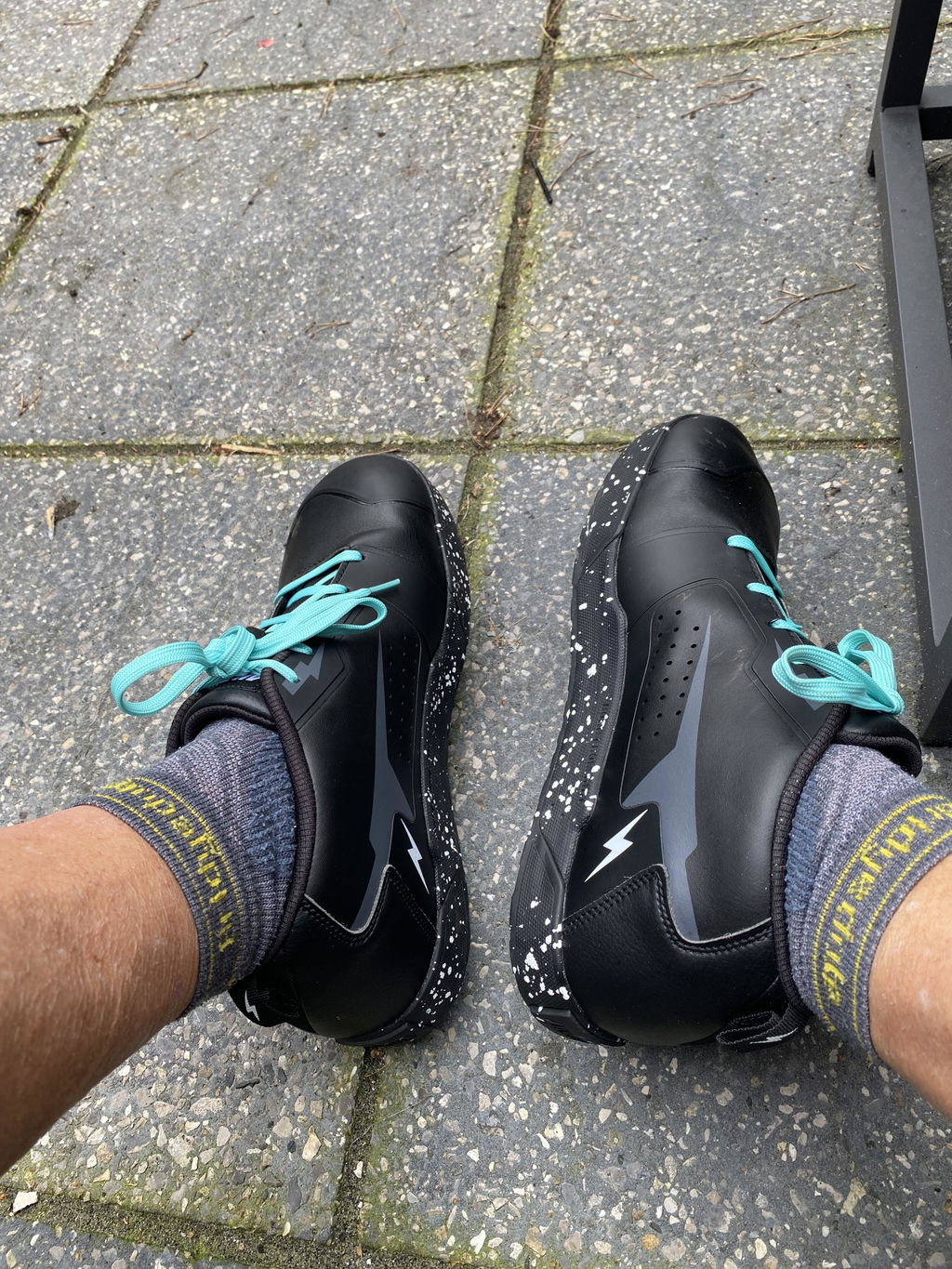
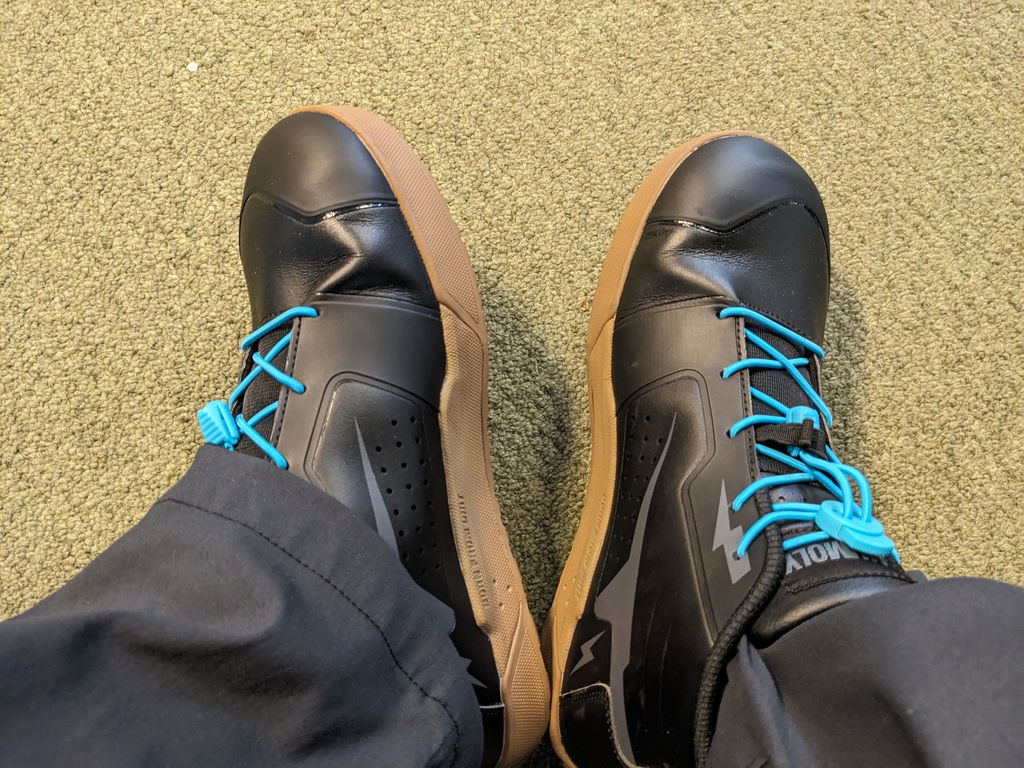
Wide mountain bike shoes custom fit starts with more than a wider label: Anamoly Labs uses localized heat-stretching to modify the material's viscoelastic behavior, mechanically expanding the forefoot before the Pin-Lock MTB Shoe leaves the Texas shop. The result is a more tailored wide toe box with genuine toe room—pressure points addressed before delivery.
This is an engineering service performed on the actual shoe, not a generic sizing promise or a retail add-on. The process was adapted from boot-fitting methods used in skiing and snowboarding, then applied to mountain bike footwear for riders who need a more precise fit. Understanding how controlled heat changes the material explains why the adjustment can be localized, repeatable, and compatible with the shoe's performance requirements.
What Is the Anamoly Labs Heat-Stretching Process?
Anamoly Labs heat-stretching is a controlled mechanical widening process for riders who need more forefoot room than a standard cycling shoe provides. Rather than simply choosing a larger size, the fit is adjusted where it matters: across the forefoot, while preserving the shoe's overall length, structure, and performance intent.
The method comes from ski and snowboard boot fitting, where technicians use controlled heat to modify a shell or upper around a rider's pressure points. Anamoly Labs adapted that principle for mountain bike footwear—it is the first MTB shoe brand to bring this process to flat pedal shoes. The goal is not a loose or soft fit—it is a more precise wide toe box that gives the rider useful toe room without sacrificing control.
Controlled heat, localized expansion
Footwear materials respond differently to heat, pressure, and time. The heat-stretching process uses controlled heat to modify the material's viscoelastic properties, allowing localized expansion in the forefoot. This is a deformation process, not a temporary loosening of the upper: once the material cools, the widened area retains the adjusted shape.
That control matters because a wide fit should not mean an oversized shoe. Heat-stretching relies on viscoelastic deformation for precise width adjustments, allowing the fit to address forefoot pressure while keeping the rest of the shoe appropriately supportive. The result is a practical way to create wide mountain bike shoes with custom fit characteristics without turning the shoe into a generic larger version.
Processed before the pair ships
Every pair of 2.0 Wide Fit shoes is mechanically heat-widened at the Anamoly Labs shop in Texas before shipping. The service is built into the product process, so the customer is not expected to find a boot-fitting technician or modify the shoe at home. The work is performed before delivery, using the same engineering approach behind the Pin-Lock MTB Shoe and its proprietary Hero Rubber™ compound.
For riders who have struggled with forefoot pressure, the process addresses fit at the source: controlled material expansion applied to the area that needs additional width, with the rest of the shoe left intact.
How Heat-Stretching Creates a Wide Mountain Bike Shoe Custom Fit
A standard wide-size label describes a shoe built to a broader pattern—it does not account for the exact location of your pressure points. Anamoly Labs treats fit as a mechanical adjustment made to each pair before the Pin-Lock 2.0 Wide Fit leaves the Texas shop. The team manually widens the shoe so the forefoot has usable toe room without simply sizing up and compromising overall control.
- Start with the extra-wide foundation: The Pin-Lock 2.0 Wide Fit is built on an extra-wide last, listed as US 1.5E. That gives riders a wider platform from the beginning, including cyclists who use clip-in pedals and those who ride flats. The wide toe box creates room where it matters while preserving the shoe's intended structure—rather than asking a narrow shoe to do a job it was not designed for.
- Apply controlled heat at the Texas shop: Each pair is manually prepared and stretched to a US 2.5E at the facility before shipping. Heat changes how the shoe's toe box and forefoot materials respond under controlled pressure by modifying their viscoelastic properties. In practical terms, the material can deform locally instead of expanding randomly across the entire upper: this is a targeted adjustment, not a generic heat treatment applied after the fact.
- Shape the forefoot around the rider's needs: The stretching process focuses on areas that create unwanted compression—such as a tight toe box and forefoot, or a specific pressure point. The goal is not to make the shoe loose; it is to create a more precise wide mountain bike shoes custom fit with sufficient toe room and a secure hold through the midfoot. That distinction matters when the shoe must remain stable during hard cornering, climbing, or technical descents.
- Reduce pressure before it becomes a ride problem: A tailored width helps mitigate pressure points during long-duration cycling. More room in the toe box and forefoot can also help reduce the compression that contributes to foot numbness on extended trail rides. These are fit outcomes, not cosmetic changes: when the toes and foot are not forced against the upper, the rider has a better chance of maintaining consistent contact and control without constantly adjusting the shoe.
- Ship a mechanically customized pair: Ordering a conventional wide size means selecting one factory width from a size chart. Heat-stretching is different because the shoe is mechanically customized per pair before it reaches the rider. The result is a wide toe box engineered into the shoe's existing performance platform, rather than a larger shoe that may add unwanted length or alter the fit everywhere else.
The process is therefore more than a sizing option: it is a controlled material adjustment intended to give all cyclists practical toe room, stable support, and fewer fit-related distractions on the bike.
Why Heat-Stretching Benefits Every Rider: Clip-In and Flat Pedal
The pedal system changes how your shoe connects to the bike—it does not change the basic fit problem. A forefoot that is compressed, crowded, or pressing against the upper can undermine comfort and consistency whether the shoe is locked into a clip-in pedal or planted on a flat platform. Heat-stretching addresses that problem at the fit level by creating targeted room where the rider needs it, rather than treating width as a flat-pedal-only concern.
Toe room supports clip-in power transfer
Clip-in riders still need a wide toe box and adequate toe room during long rides. The foot should be held securely without being squeezed across the forefoot—that balance helps the rider apply force through the pedal stroke without distracting pressure points. A well-fitted upper also works with the shoe's sole stiffness: the sole can support efficient force application while the forefoot remains comfortable instead of fighting the shoe.
This is the practical value of a wide mountain bike shoes custom fit approach. The objective is not extra space for its own sake—it is controlled room that keeps the foot stable while reducing compression. Heat-stretching can locally expand the material by using its viscoelastic properties, allowing the fit to be adjusted around a wider forefoot instead of relying only on a larger, potentially less precise size.
Flat pedals depend on grip and stability
For flat-pedal riders, fit has a second mechanical job: it helps the shoe stay aligned with the pedal. Proper mechanical interlocking between the outsole and pins is essential for efficient power transfer. When the foot is crowded or the shoe moves around it, that connection becomes harder to manage—the result can be less consistent control during braking, climbing, or repeated impacts.
Wide shoes also accommodate the forefoot position needed for a stable foot-out control posture. On technical terrain, riders often extend a foot to manage balance and cornering forces. Sufficient width gives the foot room to spread within the shoe rather than forcing it into a narrow, unstable shape—that extra room supports ankle stability without locking the foot into an unnatural position.
The underlying requirement is universal: the shoe must fit the rider's foot before the pedal system can work as intended. For a deeper look at how platform width and fit affect trail performance, see these wide mountain bike shoes.
The Limits of Off-the-Shelf Wide Cycling Shoes
"Wide" does not always mean custom. In most cycling footwear, width is determined by the last used during manufacturing, so the rider chooses from the available shape and size. That can work when the standard wide option matches the foot—it offers less flexibility when pressure is concentrated in one area or when a rider needs additional toe room without changing the rest of the fit.
| Approach | How the fit is changed | Equipment or requirements | Cost and practical limit |
|---|---|---|---|
| Standard wide sizes | A wider shoe is produced from a standard wide last. | Select the closest available size and shape—no post-production adjustment. | Five Ten, Ride Concepts, and Specialized offer wide options across parts of their ranges, but the fit remains fixed after production. |
|
Bont heat molding |
The shoe's resin construction can be heat molded for small changes. | Requires an oven heated to 70 degrees Celsius, with the shoe heated for approximately 20 minutes. | Bont states that heat molding is intended for only 1 to 2 mm of change at most—it is a fine-tuning method, not a broad mechanical widening process. |
|
Prevolve 3D-printed custom shoes |
The shoe is built around a custom foot scan and individualized specifications. | Requires foot scanning and a custom-order process. | Listed pricing ranges from $465 to $675—this is a highly individualized route, but it is a substantial investment rather than an accessible everyday purchase. |
| Anamoly Labs heat stretching | Each Pin-Lock 2.0 Wide Fit pair is mechanically widened before shipping, allowing a more targeted width adjustment. | No home oven, foot scan, or specialized equipment is required from the customer. | At $109, it brings mechanical customization into a more attainable price range for riders who need a custom fit wide mountain bike shoes solution. |
The distinction is not that one method replaces every other option: a standard wide last may be enough for a straightforward fit, while a full scan can make sense for a rider seeking extensive personalization. Heat stretching occupies the practical middle—it addresses the need for additional width without asking the rider to heat-mold a carbon shoe at home or pay several hundred dollars for a scanned custom build.
What to Expect When You Order Custom Wide Mountain Bike Shoes
The Pin-Lock MTB 2.0 Wide Fit is not pulled from a generic wide-size shelf. Your pair is ordered at the size you select, then processed at Anamoly Labs' Texas shop so the final fit includes a purpose-built wide toe box and usable toe room. The process is part of the product price—it is not an upsell or an add-on service.
- Place your order and select your size: Start with the size that matches your measured foot length and the fit guidance on the product page. The selected size establishes the base geometry; the subsequent processing adjusts the width of that specific pair rather than substituting a different last.
- Your shoes arrive at the Texas shop: After the order is placed, the shoes are routed to Anamoly Labs' Texas facility. This founder-led workflow keeps the fit process connected to the same footwear engineering approach used to develop the Pin-Lock platform.
- Each pair is individually heat-stretched: The team uses a mechanical stretching method derived from ski-boot fitting. Controlled heat changes the toe box material's viscoelastic behavior, allowing the width to be expanded where the foot needs more room. The work is performed pair by pair, not applied as a blanket specification to every shoe labeled wide—that distinction matters when standard footwear creates pressure across the forefoot or leaves too little room for your toes.
- The pair is inspected and shipped: Once the stretching process is complete, the shoes are checked before they leave the Texas shop. The finished pair is then shipped to you with the customized width already built into the shoe, so you are not expected to heat-mold or modify it at home.
This is what makes the fit genuinely customized: the "wide" designation describes an individually processed pair, not simply a broader standard last. To understand the design reasoning behind that approach, read about wide toe box mountain bike shoes.
Frequently Asked Questions
Can heat-stretching create more room in the forefoot?
Yes. Heat-stretching uses the shoe material's viscoelastic behavior to create localized expansion, giving riders a more tailored forefoot width. The adjustment is intended to add toe room where a standard shape creates pressure, without treating the entire shoe as though it needs to be enlarged.
Is the heat-stretching process useful if I ride flat pedals?
Yes. The process is relevant to both flat-pedal and clip-in mountain bike riders. A wider, better-fitting forefoot can support stable foot-out control on technical terrain, while the sole and pedal interface still provide the mechanical connection needed for control and power application.
Will a wider fit make my mountain bike shoes less stable?
Not when the width is placed where your foot needs it and the shoe remains properly secured. The goal is to reduce pressure points and compression while preserving the fit, sole stiffness, and pedal contact that influence ankle stability and pedal stroke consistency.
Why would I need heat-stretching instead of buying a standard wide shoe?
A standard wide shoe offers one fixed shape—heat-stretching allows a more specific adjustment for riders whose pressure points do not match that shape. The Pin-Lock 2.0 Wide Fit starts with a US 1.5E wide platform, then the pair is mechanically heat-widened to an extra-wide US 2.5E at Anamoly Labs' Texas shop before shipping.
Sources & Scientific Citations
- Footwear Science, "Effects of shoe fit on comfort and performance in cycling" — Taylor & Francis, 2020. Discusses the relationship between forefoot width, pressure distribution, and rider comfort during sustained pedaling.
- Journal of Materials Science, "Viscoelastic behavior of polymeric materials under thermal and mechanical loading" — Springer, 2019. Explains the deformation and recovery mechanisms relevant to localized heat-stretching of footwear uppers.
- IOP Conference Series: Materials Science and Engineering, "Heat molding of composite materials in sports footwear applications" — IOP Publishing, 2021. Covers thermal deformation techniques adapted from ski boot and snowboard boot fitting.
- Vanderbilt Rubber Handbook, 14th Edition — R.T. Vanderbilt Company, 2010. Standard reference for rubber compound chemistry, including the viscoelastic properties that inform traction compound formulation and material behavior under heat.
About the Author
The Anamoly Press Team is the content and research arm of Anamoly Labs, a footwear engineering company based in Austin, Texas. Every article is reviewed for technical accuracy by Christopher Armstrong, Founder and Head of R&D, whose background in materials engineering and product development informs the performance standards behind the Pin-Lock MTB platform and Hero Rubber™ compound technology.
Ready to try a wider, more precise fit?
If pressure points or limited toe room are affecting your rides, a heat-stretched wide fit may help create a more comfortable starting point without losing the structure required for confident control. The Pin-Lock MTB 2.0 Wide Fit is designed for riders who need more room from the outset. Shop Now and get started with a fit built around your riding needs.


Leave a comment
This site is protected by hCaptcha and the hCaptcha Privacy Policy and Terms of Service apply.