

By Anamoly Press Team • July 6, 2026
💡 Technical Review & Accuracy Check by Christopher Armstrong, Founder & Head of R&D
Our team researches and writes the gear guides you love, but every scientific claim and compound specification is personally vetted by our lead engineer to ensure absolute accuracy.
Standard cycling shoes force the toes into a tapered shape that limits stability on technical trails. When your feet cannot splay naturally, you lose the mechanical leverage needed for precise bike control. Traction starts with the shape of the foot under load.
Wide toe box mountain bike shoes improve rider results by allowing the forefoot to expand and splay naturally during hard pedaling and technical descents. Tapered shoe lasts squeeze the foot, which reduces the surface area for balance and increases pressure on the nerves. By providing a wider platform, these shoes help the rider maintain a stable connection to the pedals.
Research shows that a natural, foot-shaped toe box allows for greater forefoot displacement compared to narrow, old-school designs. This physical advantage is key for keeping traction on loose dirt and managing high force on steep climbs. Choosing shoes with a natural shape prevents pain and ensures your feet act as a solid base for every trail move.
Understanding these physical benefits is the first step toward better trail results. This guide is part of our Mountain Bike Shoes for Wide Feet: The Complete Fit and Engineering Guide. The path to better grip and comfort begins by looking at What Is a Wide Toe Box and Why Does It Matter for MTB?
Wide Toe Box Mountain Bike Shoes: What Is a Wide Toe Box and Why Does It Matter for MTB?
The toe box is the front part of a shoe that holds your toes. In most cycling shoes, this area is narrow and tight. This shape pushes the toes together and forces the foot into a pointed shape that is not normal. A wide toe box uses a foot-shaped design instead. It gives your toes the space they need to rest in their normal, spread-out spot.

How foot splay helps your ride
When you ride on rough trails, your feet need to move to stay on the pedals. A shoe with a wide front lets the forefoot spread out. Studies show that foot-shaped toe boxes allow for more foot shift and splay than narrow shoes. This movement is key for balance. If your toes are crushed, you lose the wide, firm base of your foot. This makes it hard to stay steady when the trail gets rocky.
Cutting down on foot stress
Tight shoes do more than just hurt. They also put a lot of force on the small bones and nerves in your foot. A wide front area can reduce pressure on the forefoot during your ride. High force in this spot often leads to pain and long-term foot issues. By giving the foot more room, you can lower the stress between your toes. Research shows that toe box shape and size are vital for handling toe pressure.
For mountain bikers, this means less numbness and fewer "hot spots" on long days. When the toes are not squeezed, blood flow stays strong. This keeps your feet feeling fresh through the end of the ride.
The goal of wide toe box mountain bike shoes
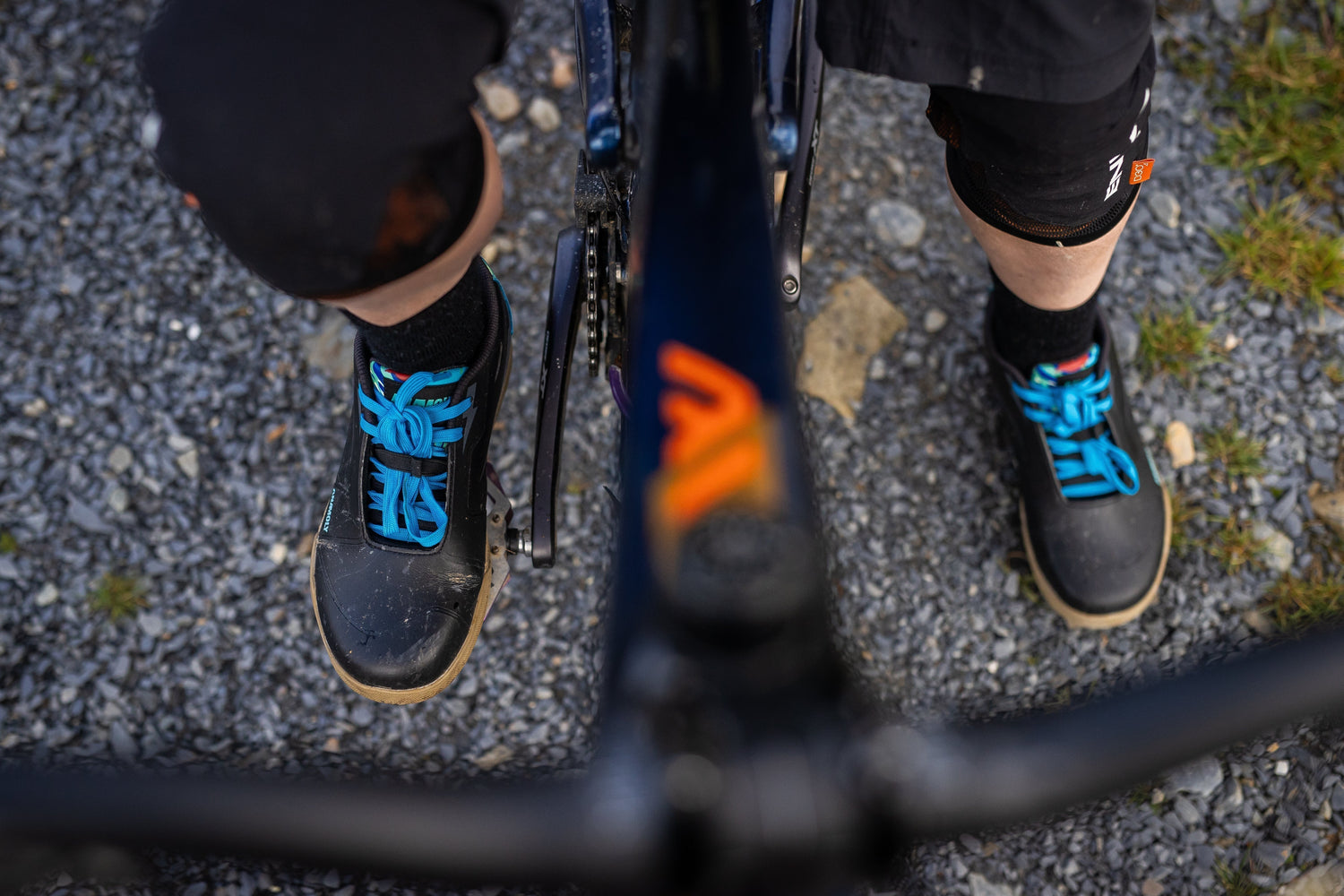
Most brands build shoes for a thin foot. This often feels too tight for many riders who need more room. At Anamoly Labs, we use a math-based path to find the best fit. Our wide toe box mountain bike shoes give your feet the room they need to work well. We made the Pin-Lock 2.0 with a shape that lets your toes splay for more control. You can learn more about this in our Mountain Bike Shoes for Wide Feet: Engineering Guide. This guide shows how a good fit helps you ride better.
- Wide shoes let your feet spread for more grip.
- More room prevents toes from getting crushed.
- A foot-shaped design cuts down on nerve pain.
- Proper fit helps you keep power in each pedal stroke.
Foot Splay Under Load: What Happens in a Pedal Stroke
When you ride, your feet are not static. Every time you push down on a pedal, your foot reacts to that force. The weight of your body and the power from your legs press through the ball of the foot. This pressure causes the forefoot to naturally widen and spread out. This movement, known as foot splay, is a key part of how the human foot handles load. In a standard shoe, this natural wideness is often blocked by a narrow toe box.

The Biomechanics of Forefoot Splay
The human foot is built to expand under weight. Scientific research shows that the shape of a shoe has a big effect on how the foot moves inside it. A study on in-shoe foot displacement found that a natural, foot-shaped toe box allows for more splay and movement than tapered shoes. When you are in the power phase of a pedal stroke, your toes want to fan out to create a stable base. This spread helps to distribute the force across a larger area, which can lower the stress on any single point of the foot.
If your shoe is too narrow, your toes cannot fan out. Instead, the shoe walls force your toes to press together. This lack of space stops the foot from moving as it should. When the foot cannot splay, the pressure stays high in small spots. This often leads to pain or a lack of balance on the pedals. Choosing wide toe box mountain bike shoes allows the foot to work like it does when you are barefoot, even under the high loads of trail riding.
Compression and Power Loss
Forcing the toes into a tight space does more than just cause pain. It can also hurt your performance. When the forefoot is crushed under load. It often leads to numbness or "hot spots." These hot spots are areas of high heat and pressure that make it hard to focus on the trail. In many cases, this happens because the narrow shape pinches the nerves and blood vessels in the foot. By using an engineering-first footwear design, riders can avoid these common fit issues.
Lack of toe space also affects how well you can put power into the bike. A foot that can splay is more stable. This stability allows for better force transfer from your leg to the pedal. If your foot is cramped, it may shift or roll inside the shoe to find a more natural spot. This small movement wastes energy and can make your stroke feel less smooth. A shoe that matches the foot's natural shape ensures that all your effort goes directly into the bike.
The Pin-Lock 2.0 Design
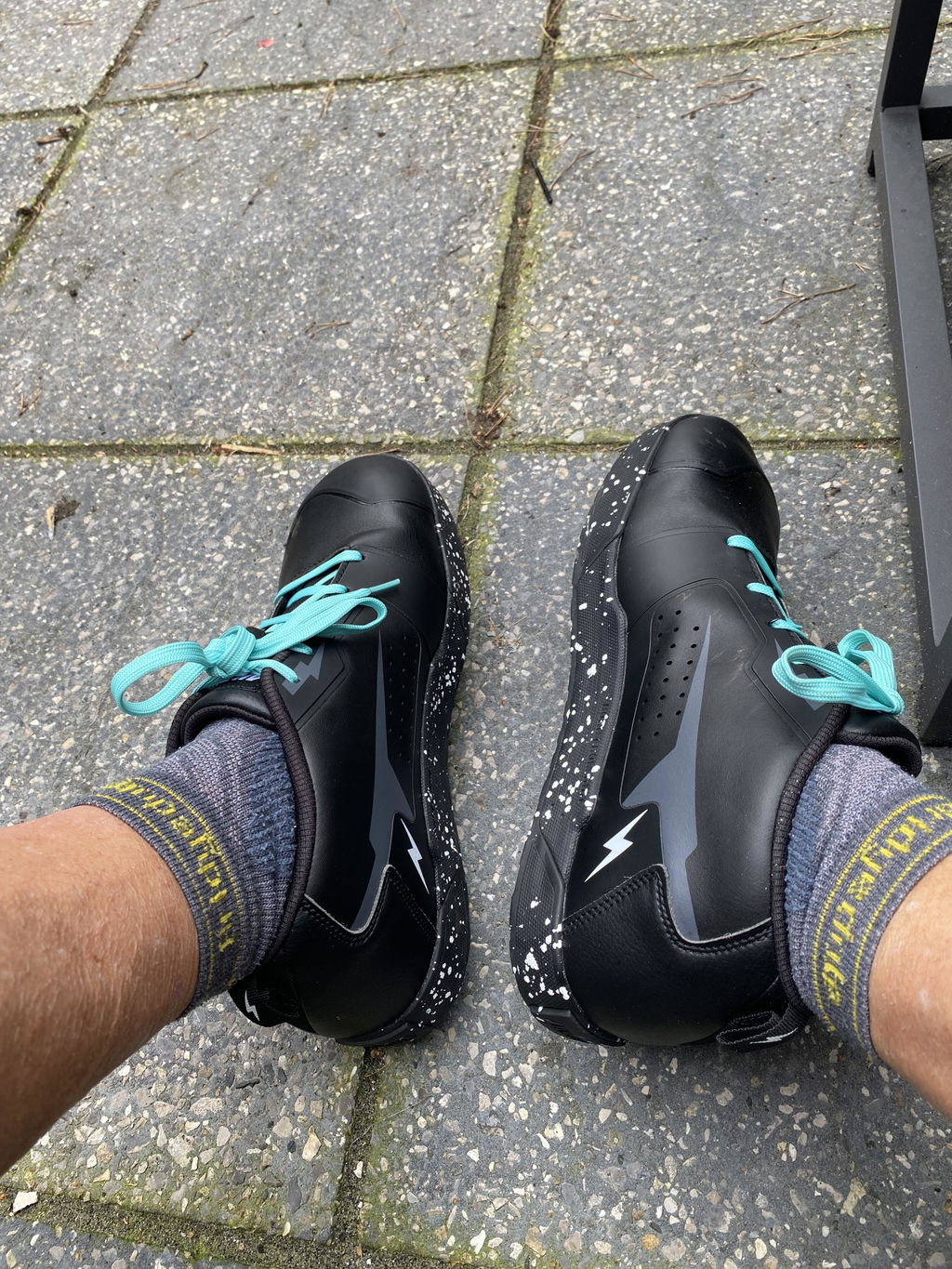
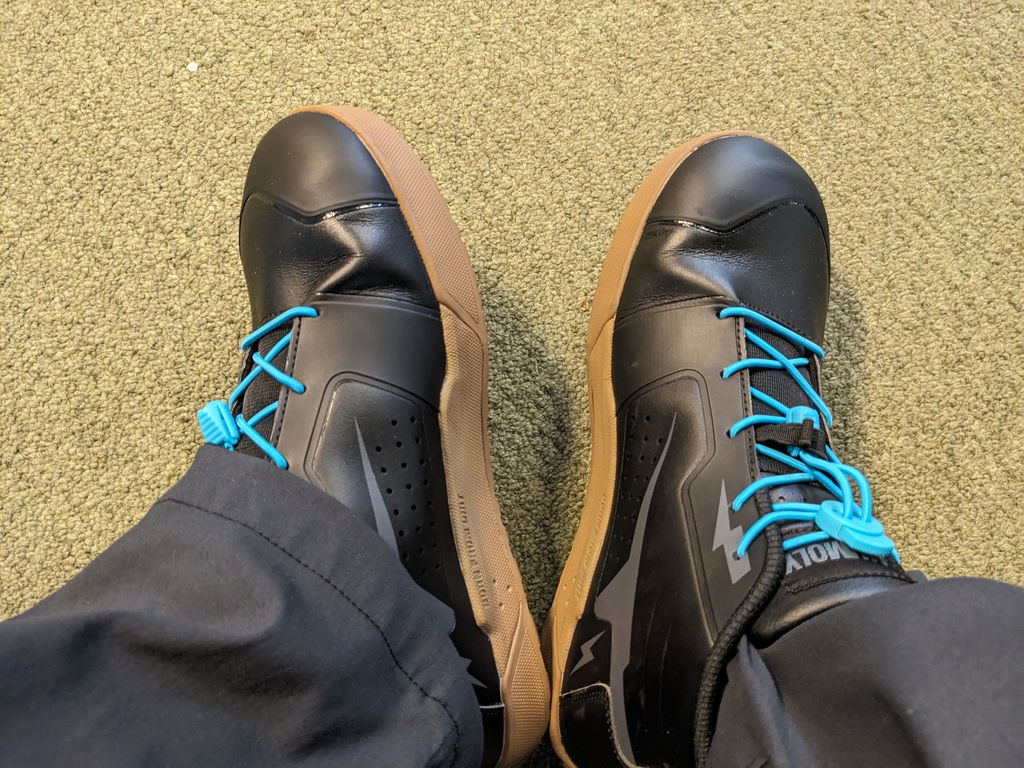
At Anamoly Labs, we built the Pin-Lock 2.0 to solve these exact problems. Many riders find that standard flat pedal shoes feel too narrow for their feet. Our design features an extra-wide toe box that gives your toes the room they need to spread out under load. This extra space is not just for comfort; it is a tool for better riding. It allows your foot to splay naturally during every hard push on the pedals.
The Pin-Lock 2.0 uses a wide last that matches the real shape of a human foot. We also use a process in our Texas shop to heat-stretch the shoes for a better fit. This ensures that the shoe does not fight against your foot when you apply force. By giving the forefoot enough room, we help riders stay comfortable and powerful through long days on the trail. This focus on foot health and engineering makes it one of the best choices for those who need a natural fit.
Toe Box Compression and Traction Loss: The Physics
Flat pedal mountain biking relies on the link between the shoe outsole and the pedal pins. For many riders, standard shoes fail this link because they are too narrow. Community reports show that many riders feel standard flat pedal shoes feel too narrow for trail use. This narrow build leads to toe box squeeze. This squeeze hurts traction through three clear physical paths.
Less surface area and contact points
Traction depends on friction and surface contact. When a shoe is narrow at the toe, it forces the toes into a bunched spot. This squeeze stops natural foot splay. Research shows splay is key for stable movement.
A study in Scientific Reports found that toe box shape changes how the foot moves and shifts inside the shoe. When toes cannot spread, the total surface of the front of the foot shrinks.
This means fewer pins can bite into the sole. This leads to a higher risk of a foot slip during steep climbs or rough trails.
Broken force spread
The front of the foot acts as a sensor and force platform for the rider. Narrow toe boxes create small pressure spots that break this balance. Data suggests that wider toe boxes reduce medial forefoot pressures, which helps keep a neutral foot pose. In a narrow shoe, the force of the pedal stroke hits the outer edges of the foot.
It does not spread across the whole pedal body. This uneven load makes the foot-pedal link weak. By using wide toe box mountain bike shoes, riders can make sure force is even across the pins. This gets the most friction from the sole material.
Grip and stability working together
Good grip on the trail needs both physical locks and chemical friction. At Anamoly Labs, we use engineering-first footwear design. Our Pin-Lock shoes use Hero Rubber. This is a special blend made to get stickier when wet. But even the stickiest rubber cannot fix a lack of physical stability. The wide toe box lets the foot sit flat and wide.
This gives a steady base for the Hero Rubber to work. When the foot is squeezed, the sole often arches. This lifts parts of the tread away from the pedal. A wide fit keeps the whole front of the foot on the pins. This makes sure the rubber and the pedal work as one to give total traction.
How Natural Foot-Shape Shoes Differ from Standard Athletic Lasts
Most mountain bike shoes use a standard athletic last. This design has a tapered toe box that pushes your big toe toward the center of your foot. While this shape is common, it often causes pressure on technical trails. A natural foot-shape design uses an anatomical toe box. This wider shape allows for greater forefoot displacement and natural splay during hard pedal strokes.

Anatomical toe box versus tapered lasts
A standard last narrows at the forefoot. This forces the toes together and can lead to pain on long rides. Natural foot-shape shoes give you more forefoot volume. This space lets your foot expand as you put power into the pedals. Research shows that toe box volume is a key factor for managing interdigital pressures. At Anamoly Labs, our goal is a fit that feels closer to how your foot wants to live inside a shoe.
We use a heat-stretching process in our Texas shop to ensure this space. This method is a first for the mountain bike industry. We took this idea from ski and snowboard boot fitting. It lets us widen the shoe to create a true wide toe box. This work supports our engineering-first footwear design by solving fit issues that standard lasts cannot fix.
Independent zones and upper construction
Standard shoes often use a one-piece upper that can feel stiff. Some high-end designs, like the Lake MX242, use segmented independent zones to wrap the foot. These zones help the shoe fit over bony bumps without causing hot spots. For people who use barefoot shoes, a natural foot shape is needed on the bike. These riders want a shoe that helps natural foot function while they pedal. A wide toe box keeps this natural feel on any pedal type.
| Feature | Standard Athletic Last | Natural Foot-Shape Design |
|---|---|---|
| Toe Box Shape | Tapered and narrow | Anatomical and wide |
| Forefoot Volume | Low and compressed | High for natural splay |
| Upper Style | One-piece build | Segmented or heat-fitted |
| Pedal Type | Flat or SPD options | Wide flat and SPD support |
| Primary Goal | Casual or narrow fit | Natural foot function |
Choosing a Wide Toe Box MTB Shoe: Key Measurements
Finding the right fit for trail riding needs more than just knowing your shoe size. Most bike shoes use a thin, narrow shape that can lead to pain and less control. By looking at a few tech details, you can pick a pair that helps your feet move naturally and stay comfy.
Measure for natural foot splay
Start by measuring how wide your foot is while you stand. A wide toe box must let your toes spread out, which helps lower pressure on the front of the foot. You can find these facts in studies from the National Institutes of Health. If your foot is wider than a standard D size, look for a shoe built on a 2E or 4E base.
Check the shoe build and room
Look for shoes that have lots of room in the front and use soft top parts. Tight shoes can squeeze the toes, so the right shape and space are vital for foot health, based on the Journal of Foot and Ankle Research. Some brands use split parts on the top to help the shoe fit without pressing on bones. Our 2.0 fit uses a special heat-stretch method in our Texas shop to ensure a wide, cozy fit.
Steps to get a great fit
- Measure your foot width while you stand to see how much it spreads under weight.
- Check your width against the brand size charts for 2E or wider picks.
- Make sure the shoe has enough height in the front so your toes do not hit the top.
- Check that the shoe works with flat pedals and has a firm sole to support your foot.
- Try your usual size first, as a good wide toe box mountain bike shoe should fit without needing to size up.
- Use a sizing and fit guidance page to avoid heel slip from shoes that are too long.
Compare shoe specs and price
When you buy a shoe, look at both the tech specs and the cost. Some high-end brands can cost from $290 to $530, while others sell for about $175. The Anamoly Labs Pin-Lock 2.0 wide fit model gives you a true 2.5E natural foot-shape toe box for just $109. This smart design gives you the grip and balance you need on the trail at a fair price.
Frequently Asked Questions
How can I tell if I need wide fit mountain bike shoes?
You may need a wide fit if you feel numb or get hot spots on long rides. Many riders find that standard shoes are too thin for their feet. As shown in this study, a wider toe box helps lower pressure on the front of the foot. If your toes feel crushed or you see red marks on your skin after a ride, your shoes are too tight.
Are there wide toe box flat pedal MTB shoes?
Yes, some brands now make flat pedal shoes with a natural foot shape. The Pin-Lock MTB Shoe has a very wide toe box built for rough trails. These shoes use a 2.0 fit that lets your toes spread out.
This shape helps you keep a strong grip on the pedals without the pain of tight shoes. They are a top pick for riders who want both ease and power.
Do I need to size up if I have wide feet but can't find wide MTB shoes?
Sizing up is a common way to get more width, but it is not the best way. When you buy a shoe that is too long, your heel may slip. This makes it hard to put power into the bike. It is better to find a brand that uses a wide last. According to experts, a good fit is vital for foot health.
What are the benefits of a wide toe box for technical trail riding?
A wide toe box lets your toes spread out as you ride. This splay helps you stay stable and keep your balance on rough ground. Research shows that foot shape shoes allow for more splay than shoes that taper at the end. When your toes can move, you get better traction and more control. This is key when you need to handle tight turns or steep drops.
Ready to improve your control on technical trails?
Riding in narrow shoes restricts your natural foot splay and limits your power while causing foot fatigue and reducing your balance when the trail gets steep. This lack of space creates constant pressure that leads to long-term pain and possible injury if you do not address the fit of your gear.
Choosing the right technical fit today ensures you stay on the bike longer and ride with more confidence on every technical descent you face. Waiting to fix your footwear only leads to more discomfort over time, so making the shift now helps you restore your foot health and control. Contact our staff today to find the right size and gain the precise footwork and solid grip that only a proper wide toe box provides.
Ready to ride with more comfort? Contact our team to explore the Pin-Lock MTB Shoe 2.0 wide toe box design.
About the Author
The Anamoly Press Team combines expertise in athletic footwear engineering, materials science, and trail sports performance. Every gear guide is reviewed by Christopher Armstrong, Founder and Head of R&D at Anamoly Labs, whose 15-plus years in protective gear and footwear development ensure technical accuracy in every article.



Leave a comment
This site is protected by hCaptcha and the hCaptcha Privacy Policy and Terms of Service apply.