

By Anamoly Press Team • July 3, 2026
💡 Technical Review & Accuracy Check by Christopher Armstrong, Founder & Head of R&D
Our team researches and writes the gear guides you love, but every scientific claim and compound specification is personally vetted by our lead engineer to ensure absolute accuracy.
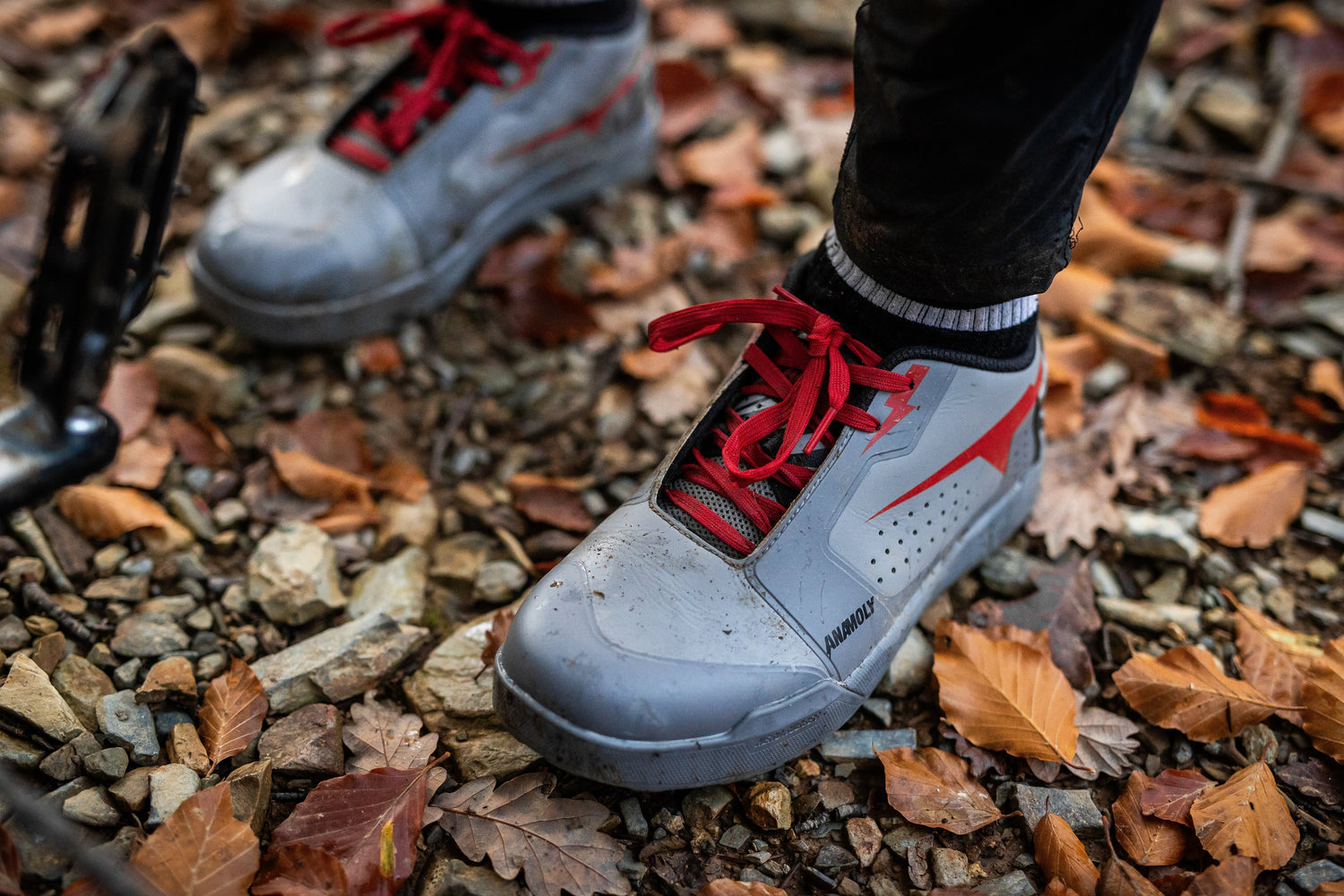
Finding the best mountain bike shoes for wide feet is a frustrating search through roomy marketing claims that fail. Most flat-pedal shoes use narrow molds that restrict toe splay and cause painful pressure points. Shop the Pin-Lock MTB Shoe 2.0 wide-fit now to experience a true 2.5E fit that eliminates foot pain on technical trails.
The best mountain bike shoes for wide feet must provide a dedicated wide last that allows for natural toe splay to ensure balance and comfort on technical trails. According to academic research, a wider toe box is critical for preventing foot pressure during long rides because narrow shoes increase peak pressure during aggressive trail riding sessions. Anamoly Labs fixes this problem with the Pin-Lock MTB Shoe (New 2.0 Fit), which uses a special heat-widening process to create a true US 2.5E wide fit. Smart riders favor technical specs like grip and balance over brand looks to ensure strength and pedal control so they do not have to compromise on trail safety.
This Mountain Bike Shoes for Wide Feet: The Complete Fit and Engineering Guide explains how to evaluate shoe design beyond marketing claims. You must understand why most flat-pedal MTB shoes fail wide-foot riders before you can find a real solution. The technical breakdown of this industry-wide fit problem begins with the narrow lasts that dominate the market.
Why do most flat-pedal MTB shoes fail wide-foot riders?
Most mountain bike shoes use a narrow shape. Big brands like Five Ten or Shimano build shoes on thin molds. These molds do not work well for people with wide feet. This leads to pain and poor fit on the trail. Riders with wide feet need shoes that match their foot shape to stay safe and fast.
The problem with narrow lasts
Standard shoes from old brands often feel tight. These brands do not make many wide sizes for flat-pedal rides. Some brands like Lake make wide shoes, but they can cost $289 to $530. Most riders are forced to buy shoes that are too slim. This squeezes the foot and stops it from moving as it should. Without enough room, the foot cannot take the shocks from the trail.
Toe box squeeze and foot pain
A tight toe box is a big fail for wide-foot riders. Your feet need room for real toe splay to stay steady and at ease. When a shoe is too tight, it pins the toes together. This squeeze raises peak foot pressure during a ride. Over a long day, this pressure causes hot spots and deep foot pain. Many riders try to buy a larger size to find more width. But this makes the shoe too long for the foot. A shoe that is too long puts the ball of your foot in the wrong place. This makes it hard to grip the pedal pins and can lead to slips or falls.
Midfoot room and pedal stance
Wide feet often need more room in the middle of the foot. Standard shoes may pinch the top or not close in the right way. This bad fit changes how you stand on the bike. Data shows that pedal stance width changes how your joints move and feel. If your shoes are too slim, you may struggle to find a stable spot on the pedals. You need a base that lets your foot sit flat and firm. Smart riders look for a shoe that focuses on tech specs over brand names. This shoe helps you keep your balance when the trail gets rough.
What to look for: toe-box width, volume, and last shape
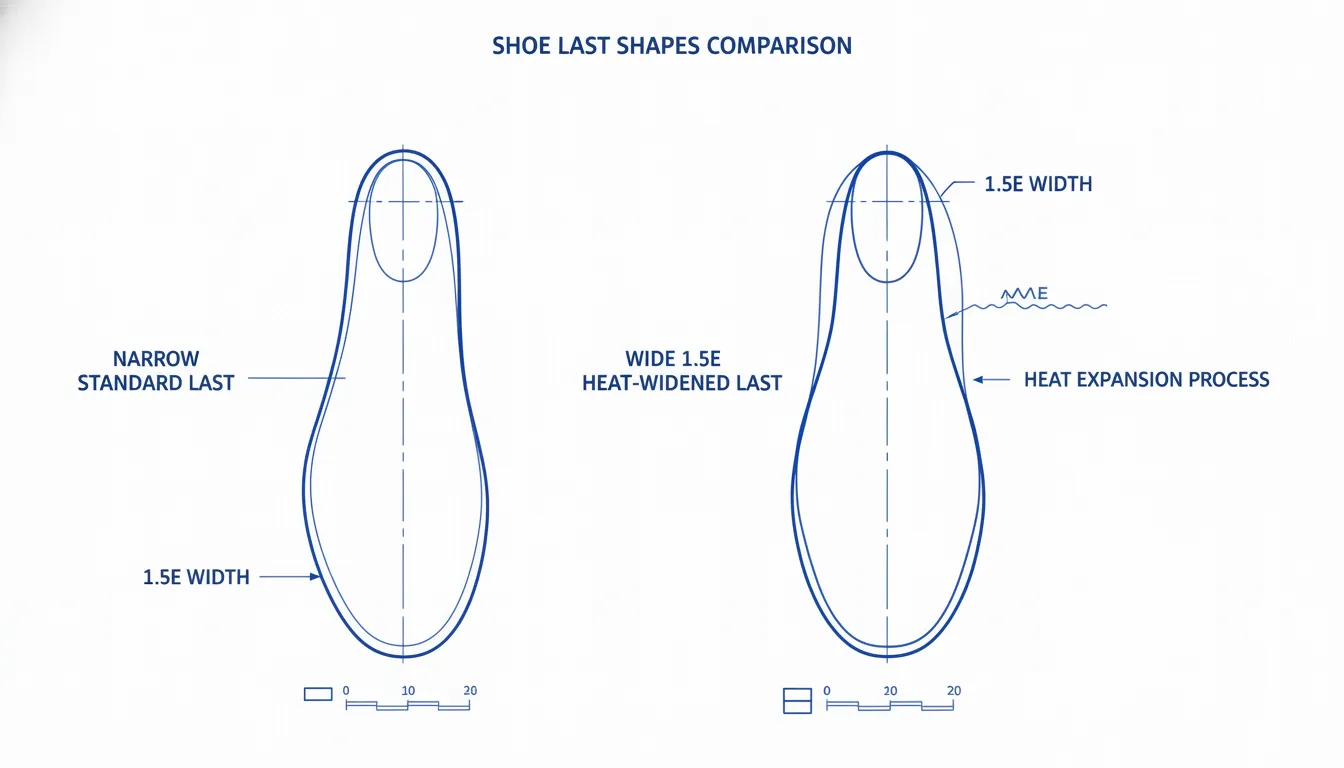
Finding the best mountain bike shoes for wide feet needs more than a wide label. Many brands only widen the front of the shoe. But a true fit involves three key parts. You need to check the toe-box width, the midfoot volume, and the last shape to keep your feet feeling good on the trail.
Toe-box width and natural splay
A wide toe box is the main need for riders with large feet. It lets your toes spread out for a natural fit. This is key for balance and control on the pedals. When your toes are cramped, you cannot keep your balance during tough moves. Studies show that natural toe splay is key for comfort during hard tasks like mountain biking.
Without enough width, your toes will rub against the side of the shoe. This can lead to hot spots and pain over a long day of riding. For a deep look at how fit affects your ride, see our Mountain Bike Shoes for Wide Feet guide.
Midfoot volume and instep height
Midfoot volume is the space inside the shoe from the sole to the top of the foot. Most standard shoes have a low shape that can pinch the top of a high-volume foot. If the shoe is too tight here, it can stop blood flow and cause arch pain.
The right fit helps with how foot pressure spreads as you ride. Shoes that are too narrow can increase peak pressure areas on the bottom of your foot. This leads to the burning feel often called "hot foot" during long climbs. Most shoes labeled as wide do not increase this volume. This leaves riders with a tight fit even with the extra width.

Last shape and shoe form
The last is the solid tool used to build the shoe. Its shape sets how the shoe curves from the heel to the toe. Most big brands use a curved last that can pull the big toe inward. A straight last or a foot-shaped last is better for wide feet.
Anamoly Labs uses a new way to solve these fit issues. We use machines to heat-widen shoes in our Texas shop to create a true US 2.5E wide fit. This way ensures both the toe box and the midfoot have the space needed for a natural fit.
Five Ten Freerider: the narrow standard everyone tolerates
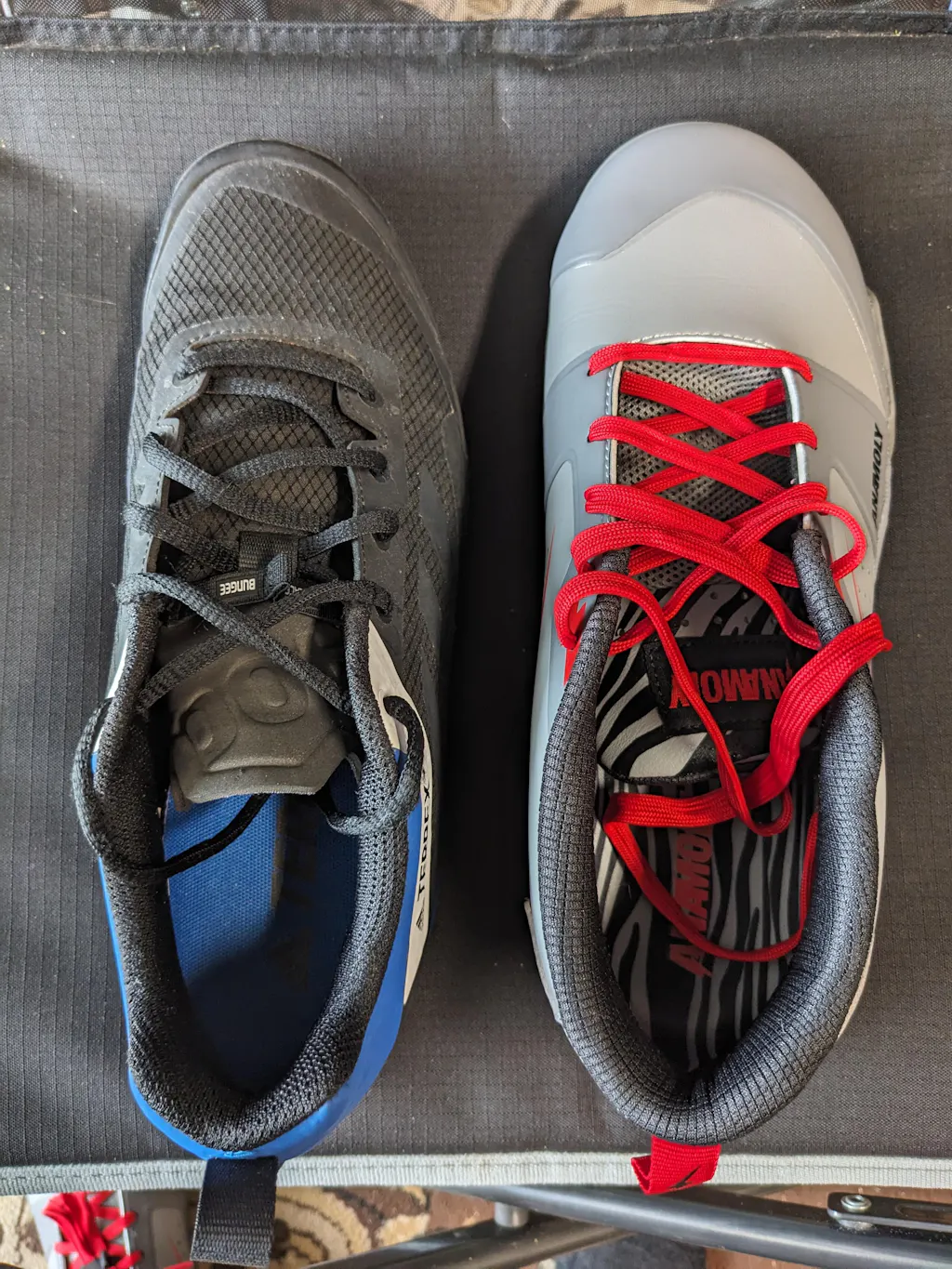
Five Ten Freerider and Freerider Pro shoes are common sights at any trail head. They are well known for Stealth S1 rubber, which gives great grip on flat pedals. Since they are so popular, many riders think they are the best mountain bike shoes for wide feet by default. People with wide feet often pick them because the toe box feels larger than other brands.
Why a roomy toe box is not enough
But a roomy fit is not the same as a true wide fit. Testing by experts shows that these shoes have more space in front than slim models, but they still lack a wide last. When a shoe is too narrow, it can increase peak foot pressure during a long ride. This leads to hot spots and pain after just a few miles on the trail.
The cost of sizing up
Most mass-market shoes only come in one standard width. They do not offer wide sizes or ways to change the shoe volume. Riders are forced to buy a larger size to get more width, but this creates new risks. A shoe that is too long will not hold the foot in place, which hurts your balance and control. Natural toe splay is vital for comfort when you work hard on the bike.
Traction versus foot health
Riders often put up with a tight fit just to get the grip of Stealth rubber. They value technical specs like grip and how long the shoe lasts over style. But you should not have to choose between grip and a healthy fit. A shoe that is heat-widened by machine offers a better path for people who need more room. You can see our sizing guide and wide-fit options to learn how a true wide last helps your feet.
How does heat-widening create a true wide fit?
Most brands just add more fabric to a standard shoe and call it "wide." Anamoly Labs does something else. We use a special heat-widening tool in our Texas shop. This tool spreads the shoe last to make more room. This process creates a true US 2.5E fit. It is a unique way to build the best mountain bike shoes for wide feet. Each pair is treated to make sure the fit is right before it ships to you.
The physics of last-spreading
A shoe that is too tight does more than just hurt. It changes how you move. Health studies show that shoes that are too narrow can add peak pressure to your feet as you walk or ride. Our mechanical process stretches the top fabric over a wide metal mold. This gives your toes the space they need to spread out. This is known as natural toe splay. When your toes can spread, you have better balance on the pedals.
Some brands like Lake mold wider shapes from the start. This is a good step, but it does not always fit every foot. We use heat to widen the shoe after the build. This allows us to reach a true US 2.5E width that standard molds often miss. By stretching the top fabric, we make sure the shoe follows the real shape of a wide foot. There are several benefits to this heat-widening method:
- It creates more room in the mid-foot and toe box.
- It allows for a true US 2.5E width without losing shoe shape.
- It helps to stop hot spots and pain on long trail rides.
- It makes sure the shoe lasts longer by not over-stretching the seams.
Strong builds and better grip
We use a stitchless build to make sure the shoe stays strong. Large shoes often have weak spots where the fabric meets the sole. Our shoe has thermo-welded toe caps that help keep water out and add to its life. These caps are bonded with heat rather than sewn. This means there are no seams to rub against your toes. It makes the shoe more durable for rough trails.
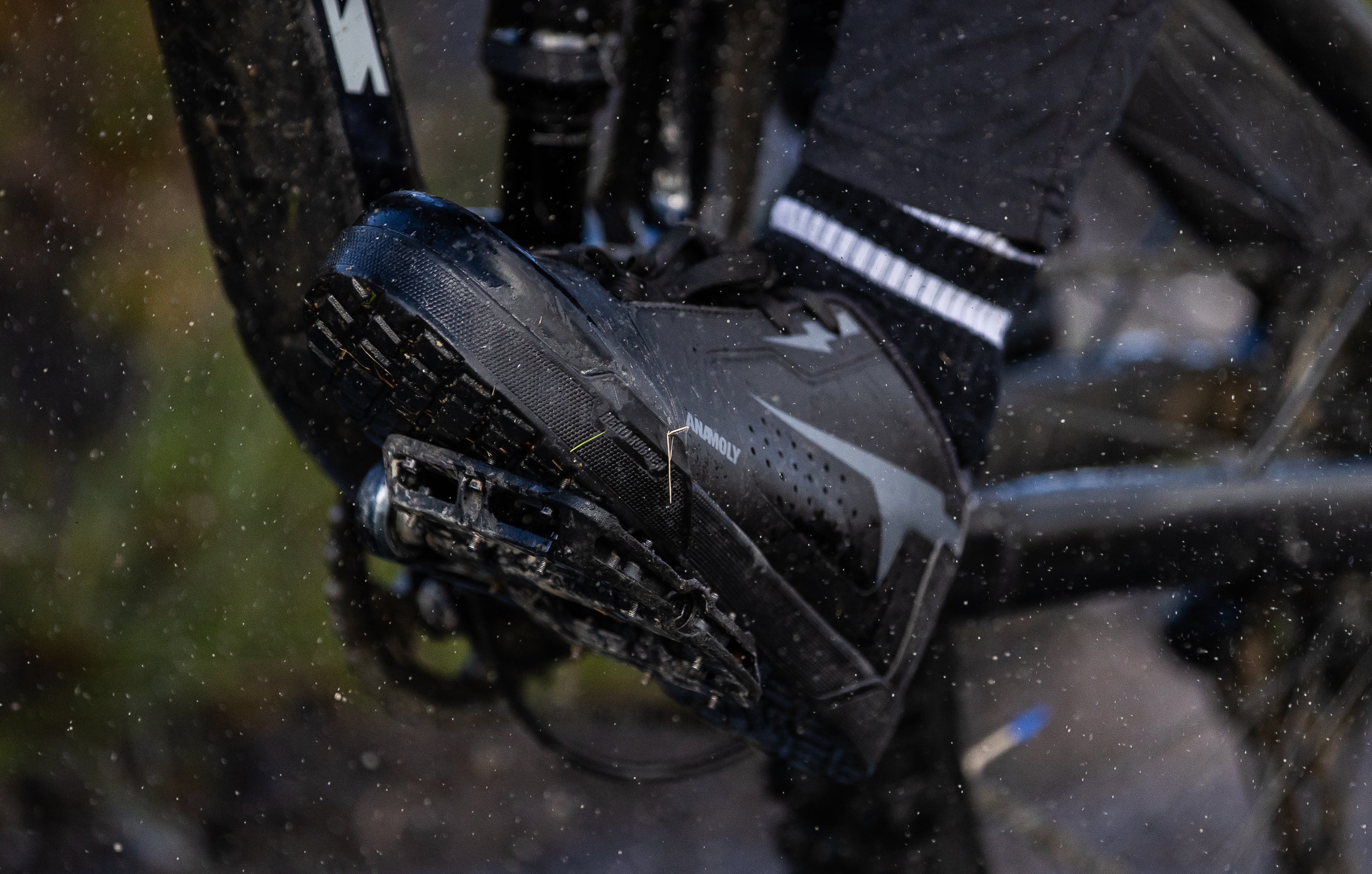
This design works well with our Hero Rubber compound technology. This rubber is a high-friction mix that took years to make. It gets grippier when the ground is wet. Most rubber gets slick in the rain, but Hero Rubber stays tacky. This keeps your feet locked on the pedals even when you are riding through mud or deep puddles. It gives you the grip you need to stay safe on the trail.
Pin-Lock MTB Shoe 2.0 Fit: the wide-foot engineering case

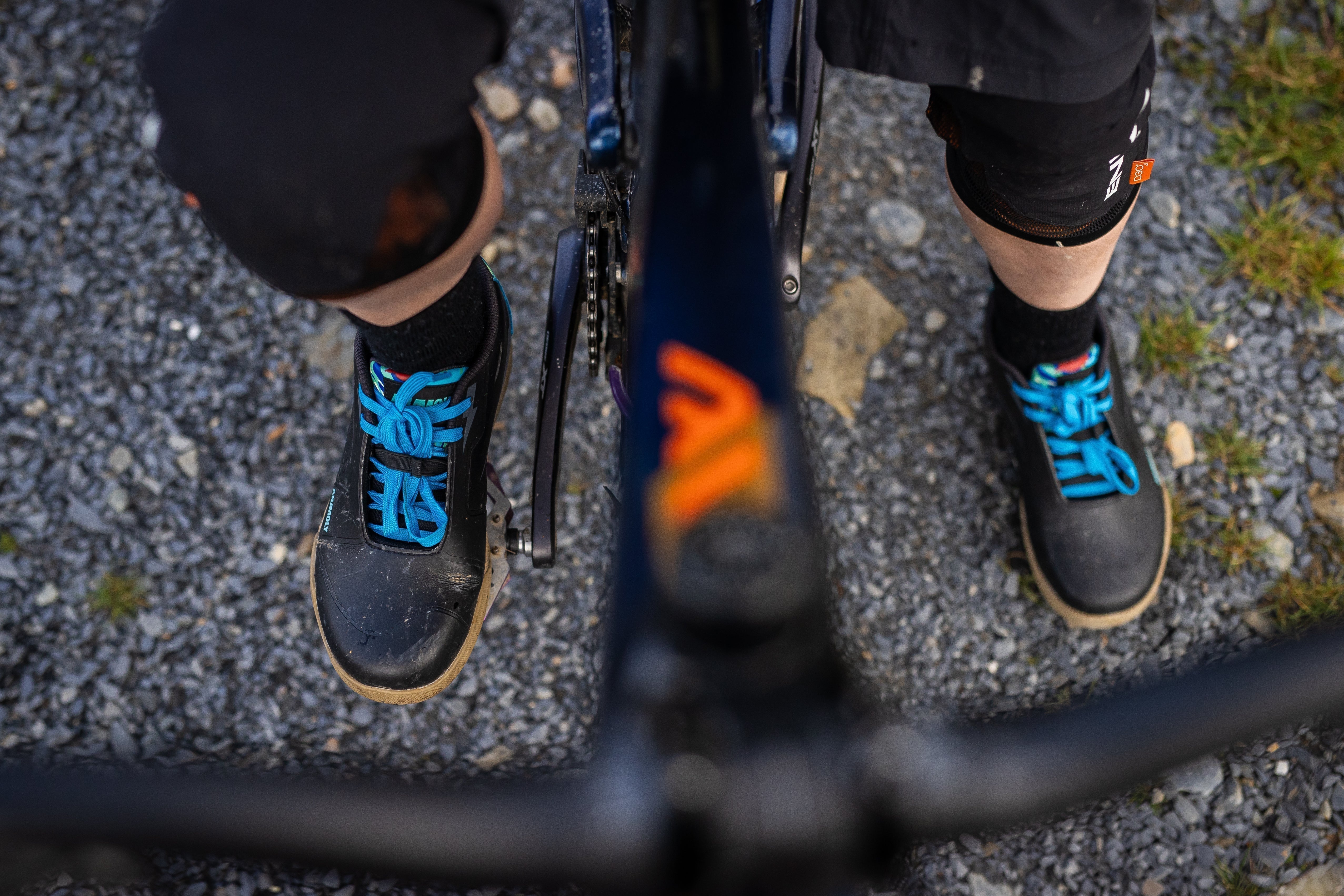
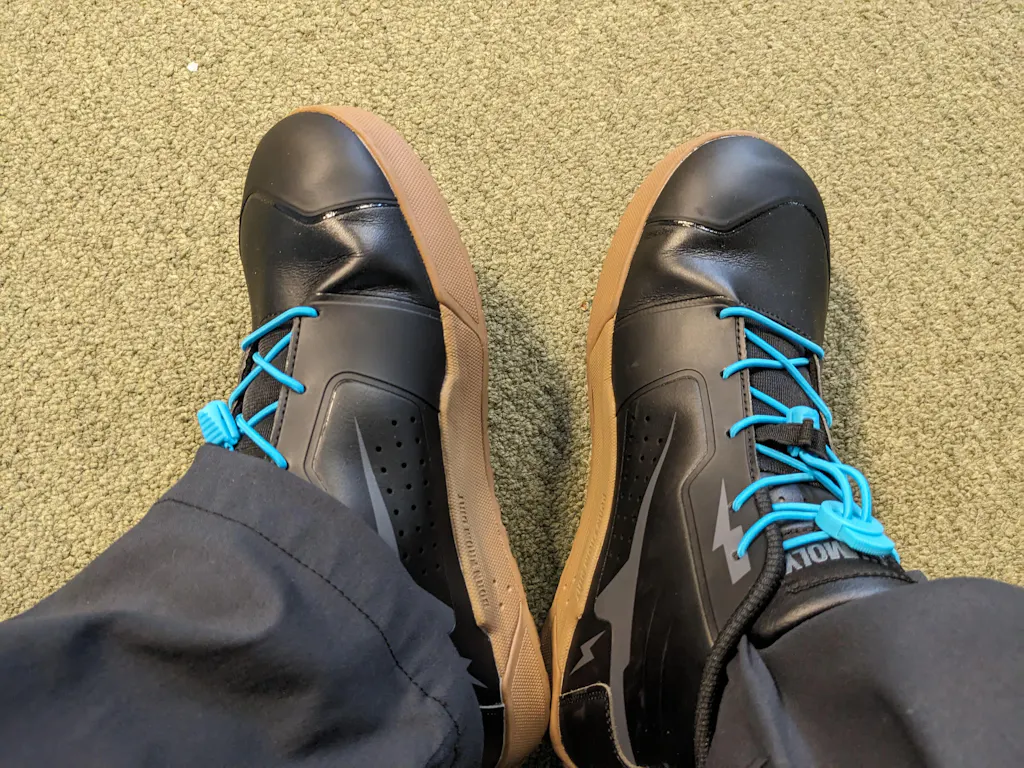
Most riders with wide feet face a tough choice when buying mountain bike shoes. They often have to size up to get the width they need. This choice leads to a loose heel and poor pedal control. The Pin-Lock MTB Shoe 2.0 Fit solves this by using a real wide last. This design allows for natural toe splay which is vital for balance on technical trails. By focusing on width, these shoes keep your foot stable without pinching the sides.
Engineered for 2.5E width
Many big brands offer a roomy fit. But very few build a true wide shoe. Anamoly Labs uses a unique process to widen shoes in their Texas shop. This mechanical heat-widening creates a true US 2.5E fit. This extra space helps reduce peak plantar pressure that causes foot pain on long rides. Standard shoes just use more fabric. This method changes the shoe shape to match wide feet.
Pedal grip and sizing updates
The 2.0 Fit also brings big changes to sizing and grip. The original 1.0 fit ran large. But the 2.0 Fit now runs true to size. For riders on flat pedals, the Hero Rubber compound gives a high-friction surface. This material is built to get even grippier when it is wet. This tech ensures your foot stays locked in place even when the trail gets muddy or slick.
| Brand | Model | Wide Fit Type | Toe Box Width | Pedal Grip Tech | Price Range |
|---|---|---|---|---|---|
| Anamoly Labs | Pin-Lock MTB Shoe 2.0 Fit | Heat-widening (2.5E) | True wide toe splay | Hero Rubber | ~$89 |
| Five Ten | Freerider Pro | Standard (roomy) | Generous standard | Stealth S1 | ~$150 |
| Lake | MX239 Wide | Molded wide last | Extra-wide forefoot | Carbon sole | ~$360 |
| Ride Concepts | Hellion | Loose forefoot fit | Moderately wide | D3O insole | ~$150 |
Sizing and fit guide for wide-foot mountain bikers
Finding the right fit is about more than just length. For riders with wide feet, a shoe that is too narrow can cramp the toes and hurt how you ride. Proper width allows for natural toe splay, which is key for balance and control on rough trails.
How to measure foot width at home
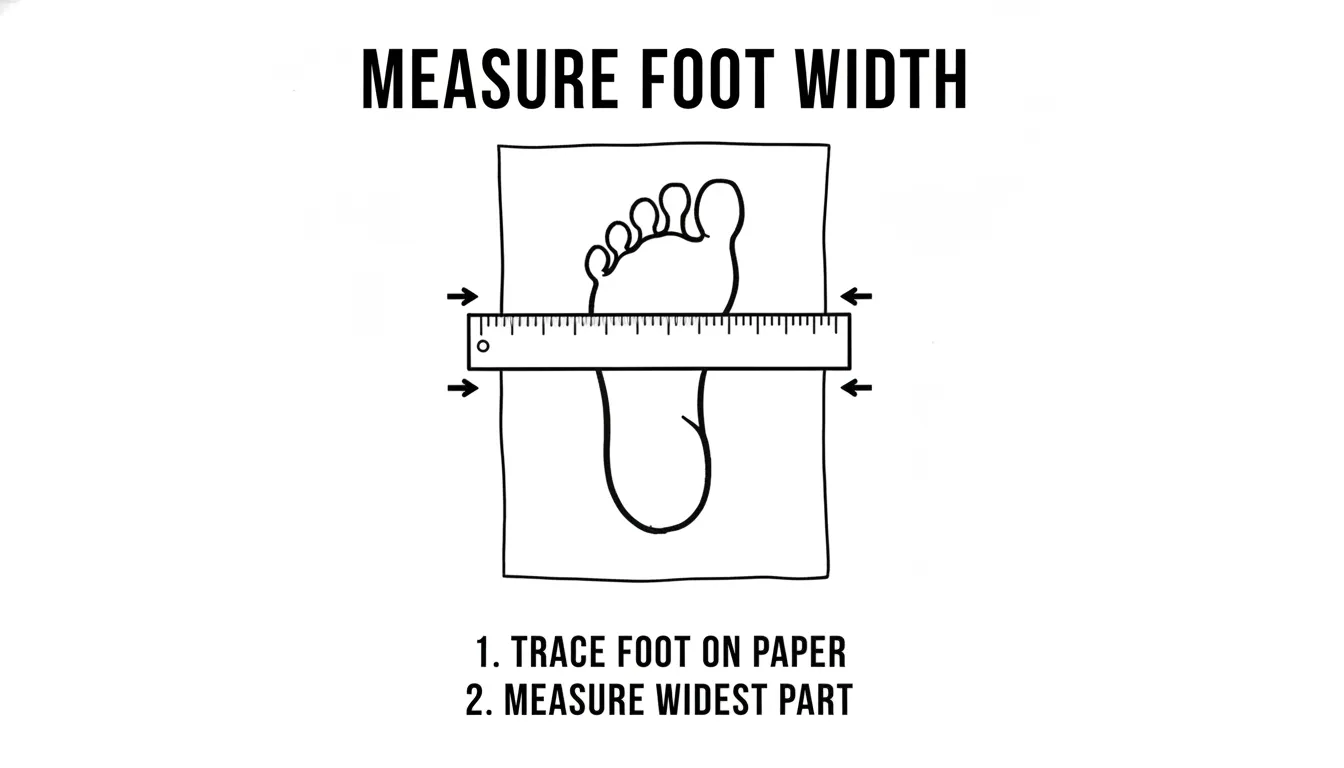
To find the best mountain bike shoes for wide feet, you must first know your size. Place your foot on a sheet of paper and trace the outline with a pen. Use a ruler to measure the widest part of your foot. Most normal shoes use a D width, but wide-foot riders often need an E or EE fit.
If your foot measures more than 4 inches across at size 9, you likely need a wide last. Many riders try to solve this by choosing a larger size. In fact, some people on Bikepacking suggest you size up 1/2 size to gain room. But this often leaves too much space in the heel, which can cause your foot to slide.
Comparing the two wide-fit options
Anamoly Labs offers two main fit styles. The first 1.0 fit was built with a roomy toe box but runs about a half-size large. This means if you usually wear a size 10, you would order a 9.5 in the 1.0 model.
The new 2.0 fit is a true design update. It is built for a 2.5E width and runs true to size. This design removes the guesses of sizing up or down. You can check the full sizing guide and wide-fit options to see which model matches your foot shape.
The heat-stretch service for 2.5E width
For those who need even more room, Anamoly uses a unique way to help in their Texas shop. They use heat and machines to widen their shoes for a true wide fit. This way creates a wide toe box without harming the build of the shoe. This service helps riders who deal with sore spots or foot pain during long days on the bike.
Get your true wide-fit MTB shoes now and experience the difference of heat-widened engineering on your next ride.
Frequently Asked Questions
Can I size up mountain bike shoes for a wider fit?
You can size up to find more room, but it often leads to a poor fit. Buying longer shoes can make your feet slide and cause sores. It is better to find shoes with a true wide fit. For example, the Anamoly Pin-Lock 2.0 is heat-widened to a US 2.5E fit. This helps the shoe fit your width while keeping the right length for your foot.
How does a wide toe box prevent foot pain during rides?
A wide toe box lets your toes spread out as you ride. This spread is vital for balance and ease on the trail. Experts say that narrow shoes can increase pressure on your feet. This high pressure often leads to pain and numbness. Choosing shoes with a wide toe box helps spread this force. It keeps your feet feeling good during long mountain bike rides.
Do wide feet require a different pedal stance width?
Yes, your foot width can change how you should stand on your pedals. Riders with wider feet often gain from a wider stance. This shift can help keep your legs and joints in a better line. A study from Western Washington University shows that changing your stance can help how your body moves. Using pedal spacers is one way to get this wider stance and stay at ease on your bike.
How does Hero Rubber improve grip when riding in wet conditions?
Hero Rubber is a special blend made to grip well on pedals. This rubber is rare because it becomes more sticky when it gets wet. Most rubber loses grip in the rain, but this special gear stays firm. This helps you keep control of your bike when the trails are muddy or slick. It took over two years to build this rubber for the best trail results and safety.
Ready to experience a true wide-fit MTB shoe?
Riding in narrow shoes causes foot pain and numbness that ruins your trail days. You can stop risking foot injury today by switching to a true wide last. Getting the right gear now means you can finally focus on your line and speed.
Explore the Pin-Lock MTB Shoe 2.0 wide-fit and get the engineered fit your feet deserve. Our team can help you find the best size for your next ride. Stop settling for shoes that hurt and start riding with more control.
About the Author
The Anamoly Press Team combines expertise in athletic footwear engineering, materials science, and trail sports performance. Every gear guide is reviewed by Christopher Armstrong, Founder and Head of R&D at Anamoly Labs, whose 15-plus years in protective gear and footwear development ensure technical accuracy in every article.

Leave a comment
This site is protected by hCaptcha and the hCaptcha Privacy Policy and Terms of Service apply.