

By Anamoly Press Team • August 6, 2026
💡 Technical Review & Accuracy Check by Christopher Armstrong, Founder & Head of R& D
Our team researches and writes the gear guides you love, but every scientific claim and compound specification is personally vetted by our lead engineer to ensure absolute accuracy.
Choosing between our Pin-Lock MTB Shoe 2.0 Standard Fit and 2.0 Wide Fit is less about changing your riding style than matching internal volume to your foot. Both versions share the same high-friction sole platform, so the real decision is fit: forefoot volume, toe room, and how each version's sizing behaves.
Test drive the Pin-Lock MTB risk-free
📌 Short Answer
Our Pin-Lock MTB shoe sizing differs by version. Our 2.0 Standard Fit runs about half a size large. Our 2.0 Wide Fit runs true to size for most riders with wider or barefoot-style feet. If you normally wear a 10.5, order a 10 in our 2.0 Standard; choose our 2.0 Wide Fit in your usual size for more room.
That distinction matters because forefoot pressure, hot spots, and numbness can undermine comfort on both flat pedals and clipless systems. The fit comparison starts with how each version sizes and then moves to our 2.0 Wide Fit's measured width increase and its included heat-stretching process.
How Does Our Pin-Lock MTB Shoe Sizing Differ Between Our 2.0 Standard and 2.0 Wide Fit?
The primary difference is simple: our 2.0 Standard Fit runs about half a size large, while our 2.0 Wide Fit runs true to size for most riders. That distinction matters whether you ride flat pedals or clipless because a shoe that is too long can reduce control. A shoe that is too narrow can create forefoot pressure and hot spots.
Choosing a size in our 2.0 Standard Fit
Our 2.0 Standard Fit tends to run approximately one-half size large. If you normally wear a men's 10.5, order a size 10. The same recommendation applies if you are between a 10.5 and an 11, so choose the 10 rather than sizing up. This works well for feet that do not need extra width and prefer a more conventional profile.
Check the fit with your riding socks and, if you use them, your normal footbeds. Your heel should stay secure when you apply force, while your toes should have enough room to avoid the front of the shoe. A longer shoe is not a substitute for adequate width, because extra length can leave the foot moving inside even when the forefoot still feels compressed.
Choosing a size in our 2.0 Wide Fit
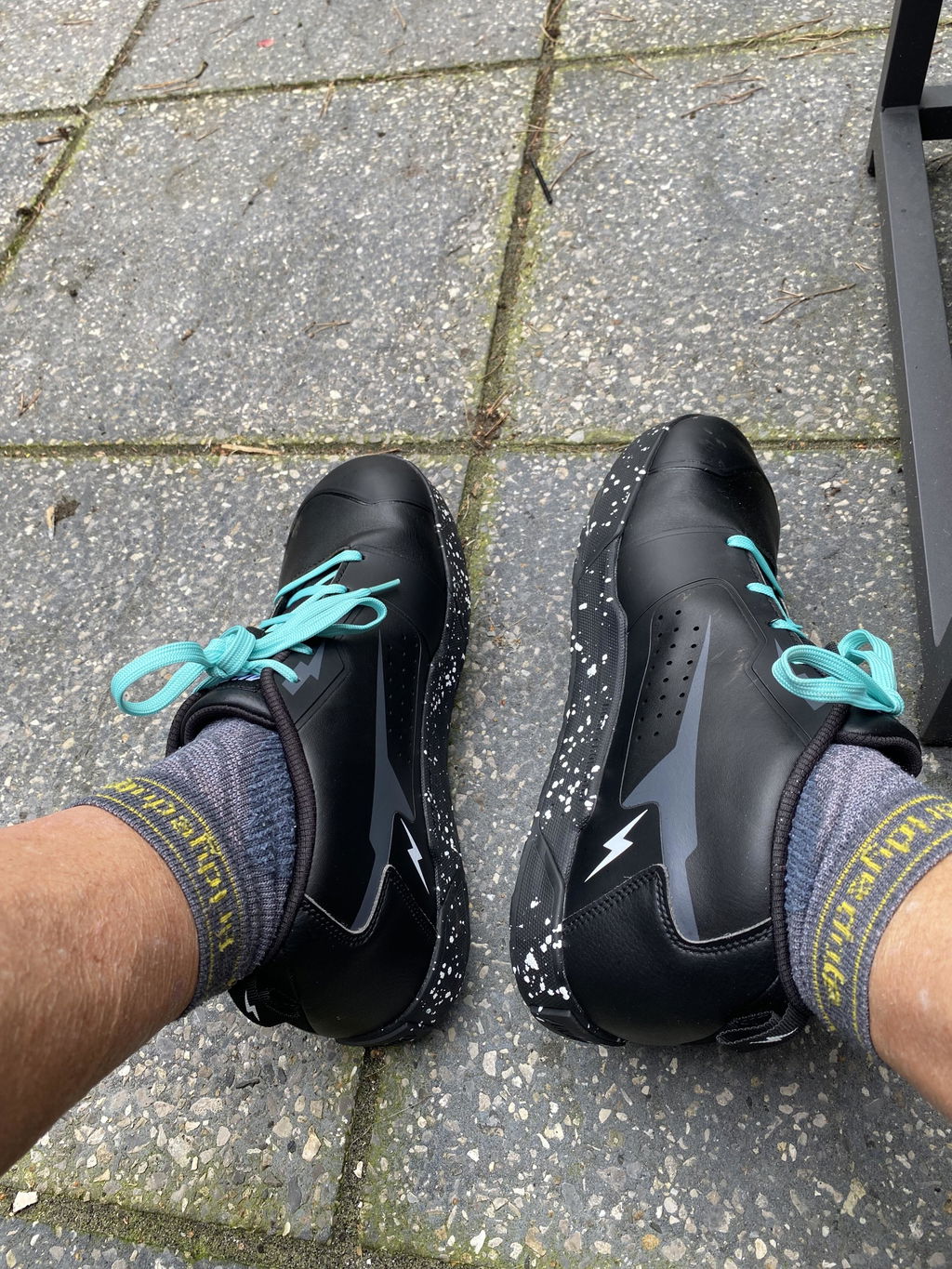
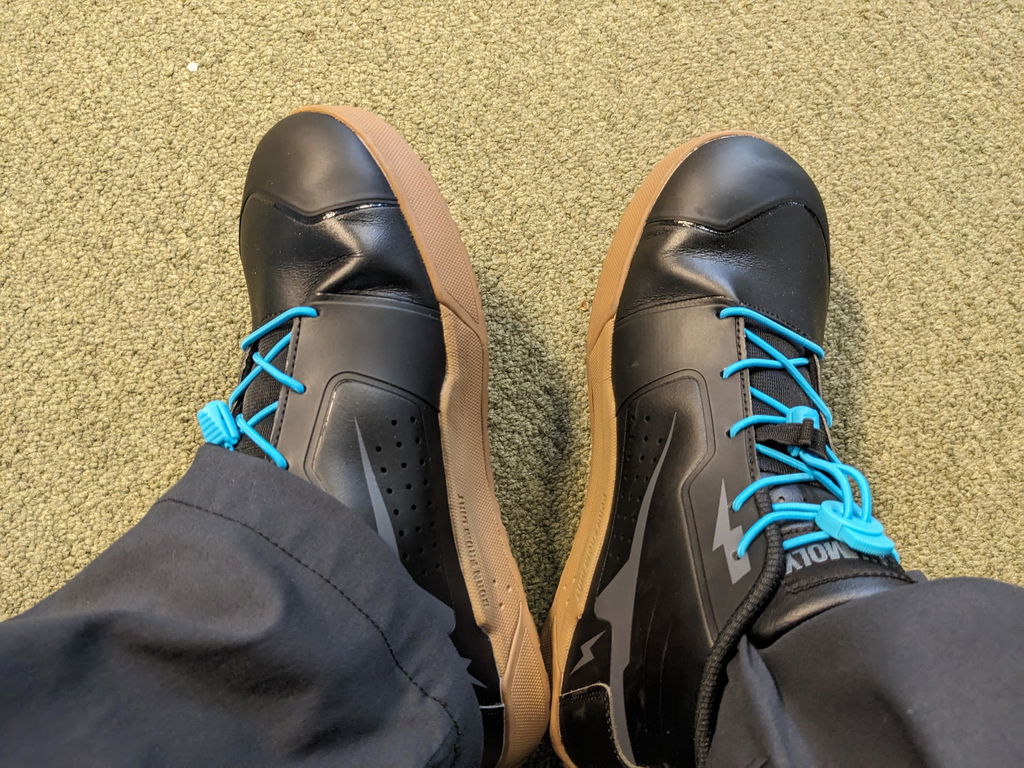
Our 2.0 Wide Fit runs true to size for most riders, including those with wider or barefoot-style feet. If you usually wear a 10, start with a 10 in our 2.0 Wide Fit. Its increased internal volume across the metatarsal region provides more room without giving up the structural stability needed for aggressive trail riding. That extra toe room helps when standard shoes create pressure across the forefoot during longer rides.
When you are on the fence between the two versions, choose our 2.0 Wide Fit at your usual size. The design was created for riders who need more space, not for riders who simply want a longer shoe. A wide toe box should let the forefoot sit comfortably while the heel and midfoot remain supported.
For a more detailed fit check, use this guide to proper wide-feet cycling shoe fit and sizing, then compare your usual size with the fit profile above before ordering.
Our 2.0 Wide Fit: 2E Width and 15-20mm More Toe Room
Our 2.0 Wide Fit changes the fit where many riders notice pressure first: the forefoot. It is built to a 2E/EE width under the Brannock standard, then custom heat-stretched in the Texas shop before shipping. Compared with our 2.0 Standard design, that process adds 15-20mm of width through the toe box. This is not a vague feeling of looseness; it is measurable toe room for feet that need extra space across the metatarsal area.
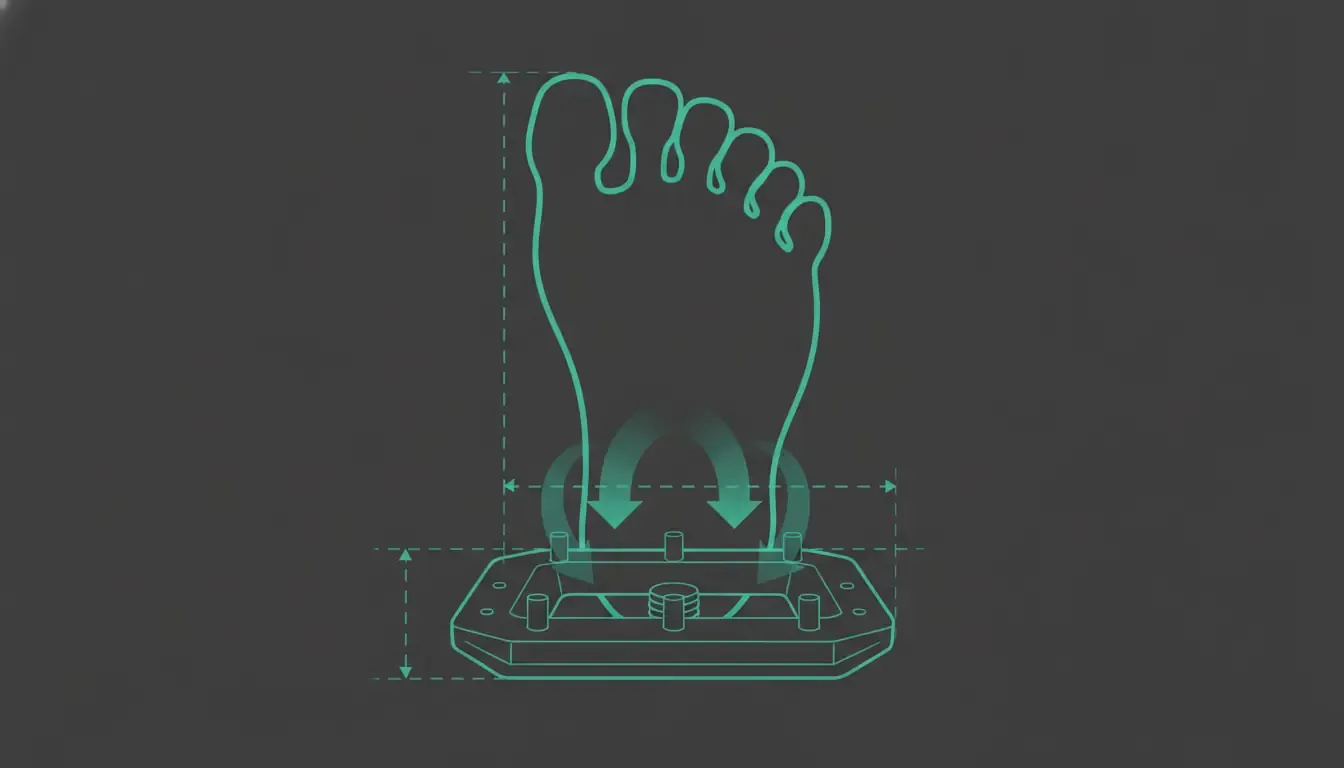
The distinction matters because a cycling shoe must hold the foot securely while letting the forefoot sit without concentrated pressure. Academic research notes that plantar pressure distribution depends on each rider's foot shape, which makes a wider or customized fit important for comfort on long rides. The study on customized cycling soles helps explain the complexity of matching a sole to individual anatomy.
What the Extra Toe Room Feels Like on the Trail
On the bike, the extra width gives the toes room to settle instead of pressing against one another or the sidewalls. Riders with wider feet may notice less forefoot compression when climbing, standing, or moving through repeated impacts. Those who prefer a barefoot-style fit can also benefit, particularly when standard shoes feel restrictive even at the correct length.
That room does not mean the shoe is designed to float around the foot. The goal is controlled freedom at the front, with enough structure to support consistent force application through the pedal stroke. If you have hot spots, numbness, or pressure across the metatarsal joint, our 2.0 Wide Fit solves the width problem without asking you to size up in length. The result feels wider where needed, while the rest of the shoe stays a secure piece of trail equipment.
The fit choice also preserves performance: both versions use our Hero Rubber™ high-friction sole platform, so selecting the wider option does not trade away traction. For a deeper look at the process behind this custom fit, read about the heat-stretch process for wide mountain bike shoes. The practical rule is straightforward: if your foot is broad through the forefoot or standard shoes create pressure, our 2.0 Wide Fit provides the toe room those feet require.
Heat-Stretching and Reinforced Lace Holes on Our 2.0 Wide Fit
Our 2.0 Wide Fit addresses width through two engineering decisions: the upper is widened before shipping, and the lace system is reinforced where tension concentrates. One improves available toe room; the other helps the fit stay reliable through regular riding, walking, and repeated tightening.
Why Heat-Stretching Matters for a Mechanical Fit
Every pair of our 2.0 Wide Fit is mechanically heat-widened in our Austin, Texas shop before shipping. Controlled heat adjusts the upper where additional width is needed while the shoe's overall structure remains intact; this is not a loose workaround. It is a deliberate step in preparing our 2.0 Wide Fit for riders who need more room across the forefoot.
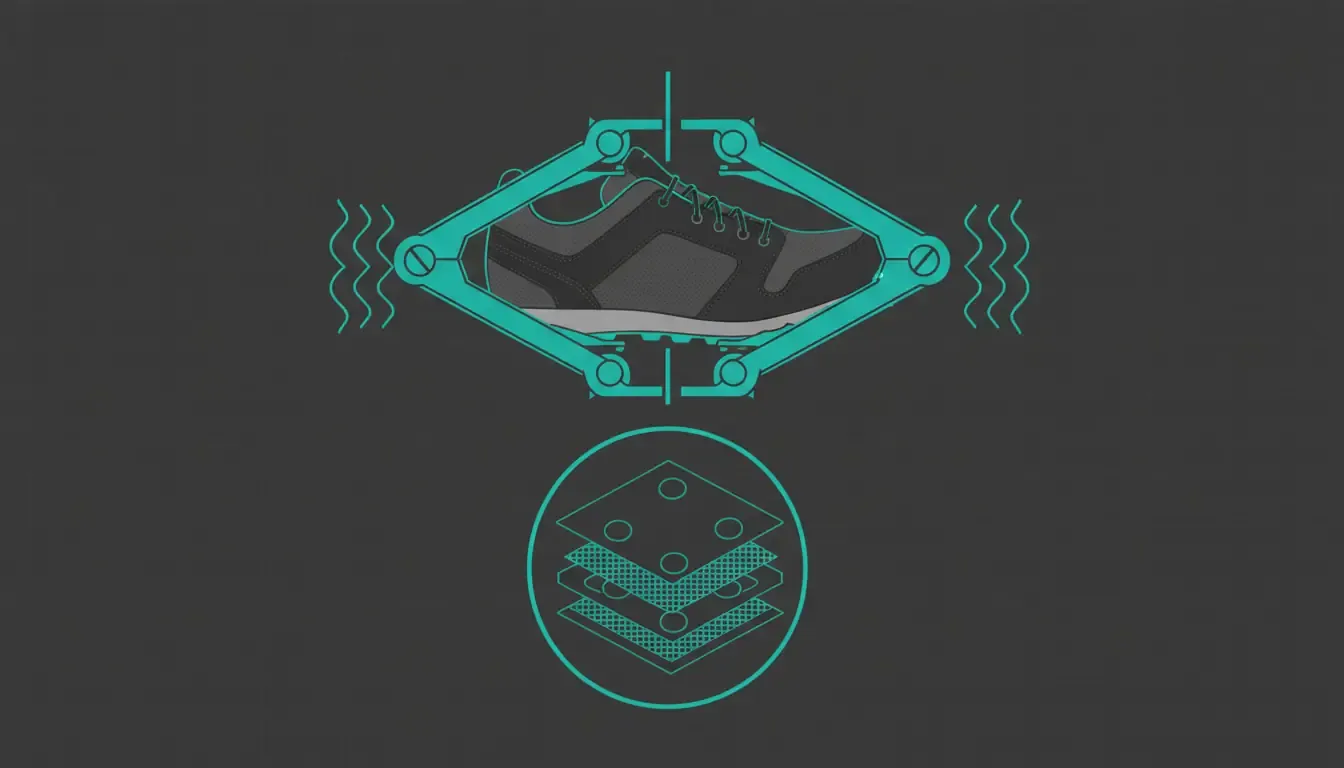
The method comes from the ski and snowboard world, where controlled heat improves the relationship between a rigid shell and the foot inside it. We are the first MTB shoe brand to bring this process to flat-pedal shoes. The result is a more considered fit than simply increasing size, because added length does not solve pressure at the metatarsal area. Riders can read more about how mechanical heat-widening works and how it supports a wide toe box.
That distinction matters when evaluating our Pin-Lock MTB shoe sizing. A rider who needs more width but sizes up may create excess length and less precise foot control. Our 2.0 Wide Fit instead keeps the sizing decision tied to foot length while adding room where pressure commonly develops. It is designed to run true to size for most riders with wider or barefoot-style feet.
Reinforced Lace Holes for Long-Term Reliability
Our 2.0 Wide Fit also punches its lace holes through the upper in key areas for added reliability and strength. Lace holes are small components, but they carry concentrated loads every time the shoe is tightened. Reinforcing those points helps the lacing system manage repeated tension without treating the upper as a disposable interface.
2.0 Standard Fit vs 2.0 Wide Fit: A Side-by-Side
Our two Pin-Lock versions share the same underlying trail platform, but the fit systems solve different problems. Our 2.0 Standard Fit is a conventional starting point for narrower or average-width feet. Our 2.0 Wide Fit adds forefoot volume, a wider toe box, and construction changes that support riders who feel pressure through the metatarsal area.
| Fit characteristic | 2.0 Standard Fit | 2.0 Wide Fit |
|---|---|---|
| Sizing | Runs about one-half size large. A rider between 10.5 and 11 should order a size 10. | Runs true to size for most riders. Order your usual size. |
| Toe box width | Standard width and volume. | 2E/EE width, with about 15 to 20 mm of additional toe box width. |
| Heat-stretch | Not a standard part of the fit process. | Mechanically heat-widened in the Texas shop before shipping. |
| Lace durability | Standard punched lace-hole construction. | Reinforced punched lace holes in key areas for added strength. |
| Traction | Our proprietary Hero Rubber™ high-friction compound. | Our proprietary Hero Rubber™ compound provides the same traction. |
The sizing difference is the first detail to check before comparing width. If you normally wear a 10.5, our 2.0 Standard may fit best in a size 10; our 2.0 Wide Fit is selected at your usual size. That keeps a wider fit from being confused with sizing up, which can create excess length and reduce control.
Our 2.0 Wide Fit's 2E/EE platform and 15 to 20 mm of added toe box width address forefoot pressure without changing the traction compound. Its mechanically heat-widened upper is prepared in the Texas shop, while reinforced lace holes add durability where the laces load the upper. For technical detail, see how the heat-widening fit process works.
In practical terms, choose between fit architectures, not grip levels. Both versions use our Hero Rubber™, so the decision is whether standard volume or the wider, true-to-size construction better matches your foot.
Who Should Choose Our 2.0 Standard vs Our 2.0 Wide Fit?
The choice comes down to forefoot volume, not traction. Both versions use our Hero Rubber™ sole platform, so grip and durability are consistent across the fit options. The meaningful difference is how the upper accommodates the foot around the metatarsal region.
Choose our 2.0 Standard Fit for a snug standard width
Our 2.0 Standard Fit is right for riders who understand that MTB shoes often fit snugly and want a conventional standard-width shape. It tends to run about half a size large, so order a half size down. For example, if you normally wear a 10.5, or sit between a 10.5 and 11, order a size 10.
This option makes sense when your forefoot feels secure without concentrated pressure and you do not need extra toe room; a close fit can keep the foot stable inside the shoe, but it should not create numbness, hot spots, or persistent pressure during a ride.
Choose our 2.0 Wide Fit when you need more space
Our 2.0 Wide Fit is designed for riders with wider or barefoot-style feet, and for anyone who wants more toe room without sizing up. It runs true to size for most riders with this foot shape. If you are on the fence between the two versions, choose our 2.0 Wide Fit at your usual size; that is what we designed it for.
Forefoot hot spots, numbness, or pressure across the metatarsal area are practical signals to choose the wide fit rather than simply increasing length. Our 2.0 Wide Fit provides more internal volume through this region while keeping the structural stability needed for aggressive trail riding. You can read more about whether your feet need more room before ordering.
In short: choose our 2.0 Standard if a standard, snug fit matches your foot and you are ready to size down. Choose our 2.0 Wide Fit if you need width, toe room, or relief from forefoot pressure. The sizing decision should support a stable pedal connection, not force your foot into a narrower shape.
Test drive the Pin-Lock MTB risk-free
Frequently Asked Questions
How does our Pin-Lock MTB Shoe 2.0 Wide Fit differ from our 2.0 Standard Fit?
Our 2.0 Wide Fit adds forefoot volume and uses a 2E/EE width, while our 2.0 Standard Fit has a narrower internal shape. Our 2.0 Wide Fit also receives mechanical heat-widening in the Austin shop before shipping, adding about 15-20mm of toe box width over our 2.0 Standard design. Both versions use the same traction platform, so the decision is primarily about fit and pressure distribution.
Should I size up for our Pin-Lock MTB Shoe?
Usually, no. Our 2.0 Standard Fit tends to run about half a size large; if you normally wear a 10.5, order a size 10. Our 2.0 Wide Fit runs true to size for most riders, so order your usual size. If you are between sizes, choose our 2.0 Wide Fit at your usual size.
What are the benefits of a wide toe box in mountain bike shoes?
A wide toe box provides more toe room and reduces concentrated pressure across the forefoot, which can matter during long rides or repeated technical efforts. It is especially useful if standard shoes create hot spots, numbness, or pressure near the metatarsal area. Our 2.0 Wide Fit serves wider and barefoot-style feet without removing the structural support needed for trail riding.
Are our mountain bike shoes true to size?
The answer depends on the version: our 2.0 Wide Fit is generally true to size, while our 2.0 Standard Fit runs about half a size large. Check the fit guidance for the specific version before ordering, because applying our 2.0 Standard rule to our 2.0 Wide Fit can leave you with insufficient length. Applying our 2.0 Wide Fit rule to our 2.0 Standard can produce excess room.
Ready to choose your fit in our Pin-Lock MTB Shoe?
With the sizing difference clarified, you can match the shoe to how your foot is built. Choose our 2.0 Standard Fit if its sizing profile suits you. Choose our 2.0 Wide Fit when you need more toe room at your usual size. Every pair of our Pin-Lock MTB Shoe is backed by our workmanship-defect coverage, free returns, and free size exchanges, with a 30-day US return window. Order your size, ride in the conditions that matter to you, and use the return or exchange process if the fit is not right.
Test drive the Pin-Lock MTB risk-free
Sources & Scientific Citations
- Mondragon Unibertsitatea repository, "Customised and integrated sole for cycling manufactured by 3D printing of continuous carbon fibre reinforced polyamide" (Esnaola Arruti, A. et al., 2024). Examines how cycling sole geometry and customization must adapt to individual foot anatomy to manage plantar pressure during pedaling.
About the Author
The Anamoly Press Team brings you in-depth gear coverage rooted in real-world testing and engineering insight. Every article is reviewed by our Head of R& D to ensure the technical claims match the science behind our designs.



Leave a comment
This site is protected by hCaptcha and the hCaptcha Privacy Policy and Terms of Service apply.