
By Anamoly Press Team • October 15, 2026
💡 Technical Review & Accuracy Check by Christopher Armstrong, Founder & Head of R&D
Our team researches and writes the gear guides you love, but every scientific claim and compound specification is personally vetted by our lead engineer to ensure technical accuracy.
📌 Short Answer
A dedicated pickleball court shoe is usually the right choice for regular play: prioritize lateral stability, a grippy non-marking outsole, a secure heel and midfoot, and enough toe room; running shoes are tuned for forward travel, so softer, taller geometry can feel less controlled during repeated side-to-side cuts.
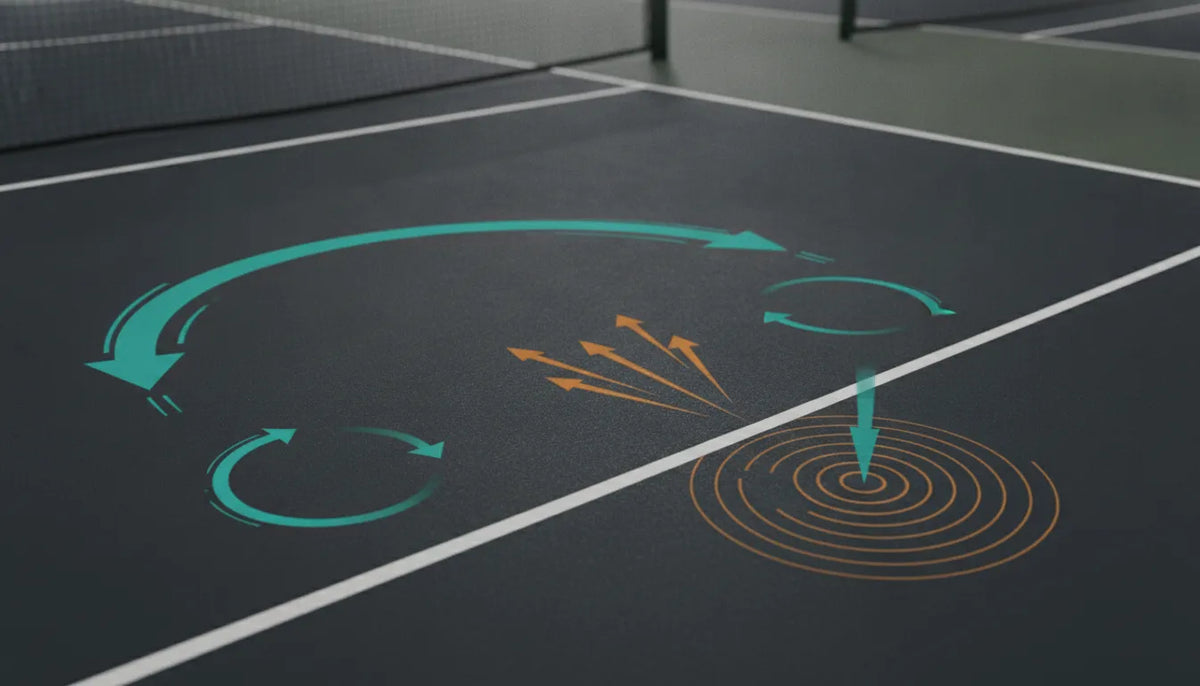
What type of shoe is best for pickleball? For regular play, start with a dedicated court shoe that controls side-to-side movement, grips the surface predictably, and holds the foot without squeezing the forefoot—pickleball loads footwear through split steps, lateral cuts, pivots, and hard stops rather than forward motion alone.
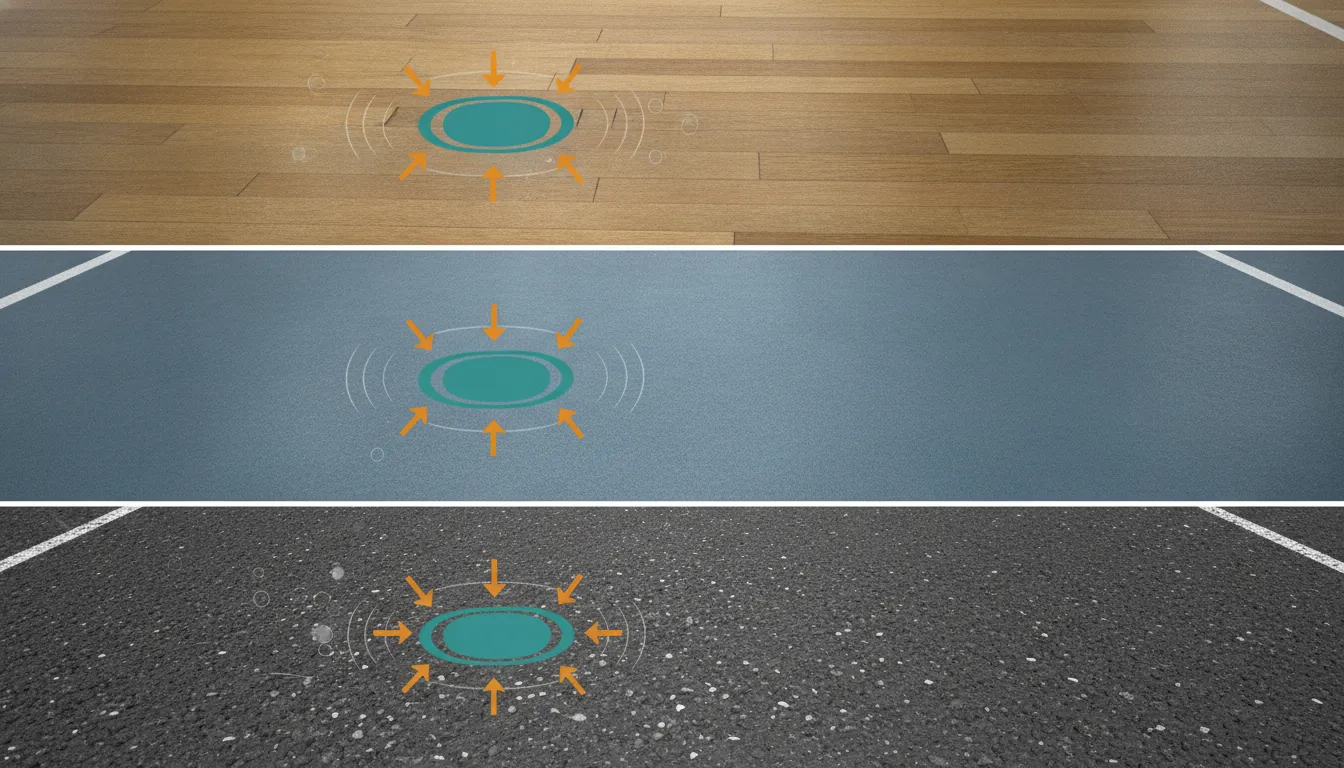
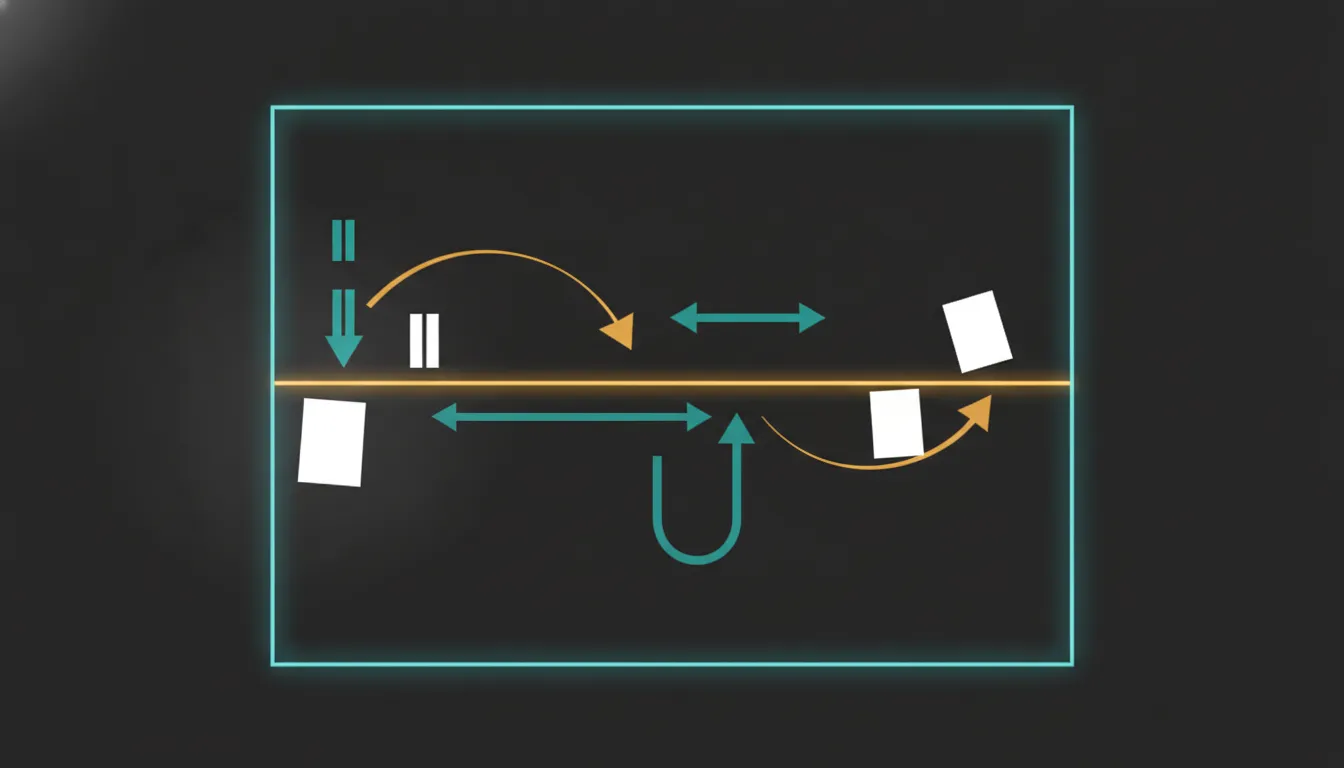
The right choice depends on how often you play, where you play, and how your feet move under load—indoor wood or sport flooring creates different traction demands from outdoor acrylic or asphalt, while a narrow upper creates a different problem from an unstable midsole.
Evaluate the complete shoe as a mechanical system: the platform, sidewall, outsole compound, tread contact, upper, and fit should work together. The goal is not maximum softness or the most aggressive marketing claim, but predictable contact when you accelerate, brake, and recover.
Explore the Lateral Control Pro Pickleball Shoe
What type of shoe is best for pickleball?
Direct answer: Anamoly Labs recommends a dedicated court shoe for regular pickleball because its platform, upper, and outsole are built for repeated lateral cuts, stops, and pivots; a stable, non-marking court outsole and secure fit usually matter more than maximum running-shoe cushioning.
For regular pickleball, a dedicated court shoe is generally a better match than a running shoe—pickleball asks you to shuffle, split-step, pivot, reach wide, and reverse direction inside a small playing area, while a running shoe is primarily designed for forward heel-to-toe travel and may not provide the same resistance to side loading.
Court shoes typically use a more stable platform, lateral containment, and an outsole designed for hard surfaces; the midfoot may feel more structured, while the side of the sole can extend outward to create a broader base during a plant, and these features do not make a court shoe automatically perfect—they give the shoe a design brief that matches the sport.
Running shoes can be reasonable for walking, warm-ups, forward-motion training, or an occasional casual game; they are not inherently poor footwear. The concern is repeated exposure to movements they were not optimized to handle, especially when your center of mass moves sideways—a soft or tall platform can feel less predictable as the foot loads outside the center of the sole.
Why running-shoe cushioning is not the whole answer
Cushioning affects comfort, but comfort is only one part of court performance; a soft foam package may feel pleasant during a straight-line run, yet allow more platform movement during a hard lateral plant, while a lower, more stable platform can offer a clearer connection to the floor, especially for players who value quick repositioning.
The correct tradeoff is personal: players with a history of foot soreness may need more impact protection, while players who feel unstable may need stronger sidewall structure and a more secure fit; treat cushioning as one variable, not the definition of a good pickleball shoe.
Six practical selection checks
- Match the sport: Choose court-specific construction when pickleball is a regular activity.
- Identify the surface: Check whether the outsole is intended for indoor flooring, outdoor hard court, or both.
- Test lateral stability: The platform should feel controlled when you lean and push sideways.
- Check heel hold: Your heel should stay seated without painful collar pressure.
- Protect toe room: Look for a wide toe box when your forefoot needs more space.
- Inspect the tread: Replace the shoe when braking zones become visibly smooth or slippery.
For a construction-focused comparison, read running shoes versus pickleball shoes. The useful distinction is functional: a court shoe should make the movements you repeat feel more stable and predictable.
Why does lateral stability matter in pickleball shoes?
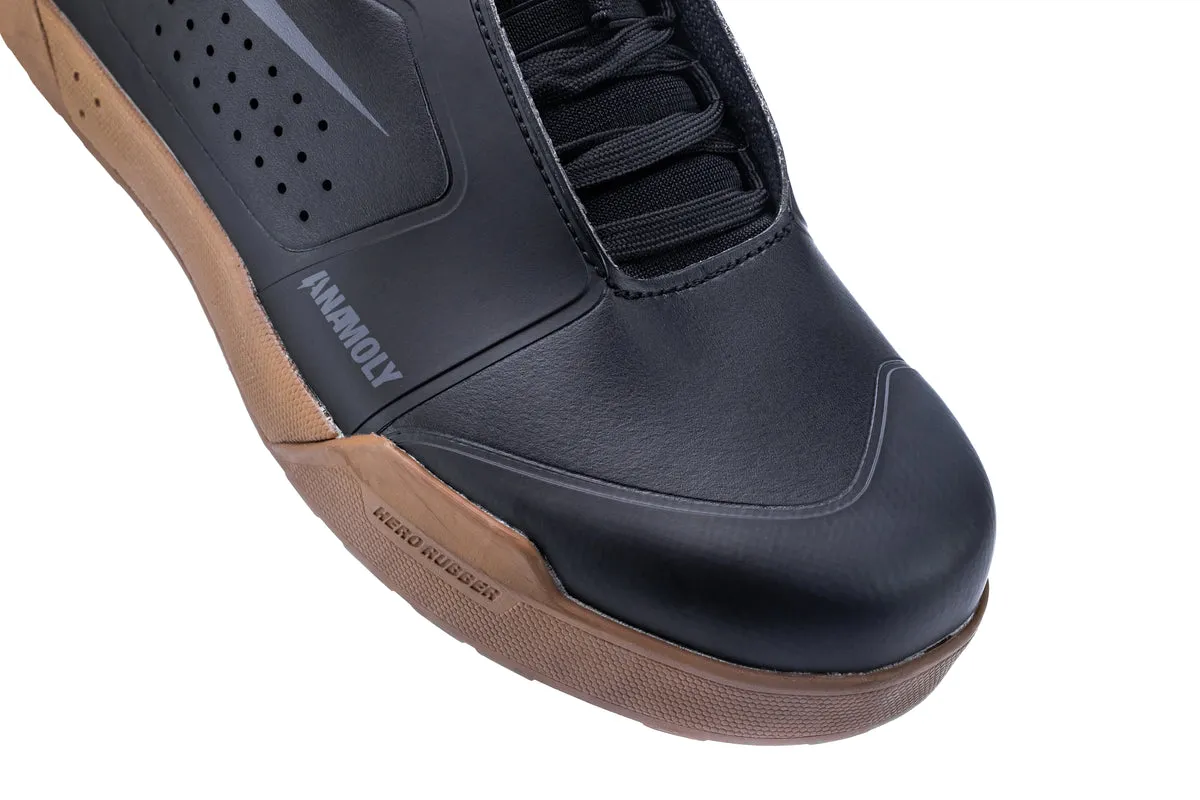
Direct answer: Lateral stability helps an Anamoly Labs court shoe keep the foot centered over its platform during a side step, wide reach, or hard stop. A secure midfoot, supportive sidewall, and usable outsole width work together to make direction changes feel controlled rather than loose or rolling.
Pickleball is a lateral sport as much as it is a forward sport—a player can move from a ready stance into a wide reach, stop, and recover before the next ball arrives; those actions create force through the side of the shoe, so the outsole and upper need to maintain a consistent relationship with the court.
Lateral stability is not a promise that a shoe prevents injuries; it is a design feature that can help the foot remain centered over the platform when the body leans beyond the sole, so the result should be a controlled transition rather than a sudden feeling that the shoe is folding or rolling under the foot.
What creates a locked-in midfoot?
Start with the fit through the middle of the shoe: a secure midfoot limits unnecessary internal movement when you plant and redirect; the upper should contact the foot evenly, the heel should stay seated, and the forefoot should have enough room to avoid compression.
Lateral outriggers can extend the usable platform on the outside edge of the foot. On the Lateral Control Pro, the Lateral Stability Outrigger, or LSO, is described on the product page as a 4-6 mm extension and rise along the outer edge. Mechanically, that structure creates a physical boundary against roll during hard cuts; it is not simply extra foam added for visual bulk.
The pickleball lateral-stability guide explains the broader relationship between lateral support, ankle comfort, and fit. Use the same test in person: walk, shuffle, and make a controlled side step. The shoe should stay connected without forcing your toes or arch into a painful position.
Stability works with movement preparation
Good footwear is one part of a sensible approach to court movement; gradual conditioning, purposeful warm-ups, recovery, and attention to technique also matter. Mayo Clinic notes that pickleball can involve lower-extremity injuries and recommends stretching from the feet upward before play, so its pickleball injury guidance provides useful general context.
The practical shoe test is simple: can you hold a ready stance, push sideways, and recover without the heel lifting or the platform feeling unstable? If the answer is no, more cushioning alone is unlikely to solve the fit or stability problem.
How should pickleball shoe traction match the court surface?
Direct answer: Match the Anamoly Labs outsole to the surface you play on most. Indoor courts call for consistent, non-marking contact, while outdoor acrylic and asphalt can increase wear. Compound, tread geometry, court dust, and outsole condition all affect whether traction feels predictable during starts and pivots.
Traction is the interaction between the outsole compound, tread geometry, contact area, court finish, dust, and wear; the stickiest rubber is not automatically the best answer if it releases unpredictably or leaves marks. Court traction should support controlled starts and stops while allowing the foot to pivot naturally.
Indoor surfaces commonly use smooth sport flooring, wood, or laminate; a suitable indoor outsole is usually non-marking and designed to maintain broad, consistent contact. Deep trail lugs can create gaps in the contact pattern and may feel less predictable during a court pivot, even though aggressive lugs are useful in other sports.
Outdoor hard courts create a different wear pattern: asphalt and textured acrylic surfaces can abrade rubber more quickly, especially in the braking and push-off zones. Do not assume a fixed replacement date; inspect the outsole, and replace the shoe when the tread becomes smooth, the rubber cracks, or starts and stops feel less controlled.
Research on pickleball biomechanics describes rapid, unpredictable changes of direction and the demands created by court movement; this peer-reviewed pickleball study provides useful context for evaluating footwear around those movements. The source does not establish one universal outsole formula; it supports matching construction to the activity.
Outsole design also influences slip resistance. CDC footwear research identifies outsole features as meaningful to the coefficient of friction; review the CDC outsole-feature research for technical background. The practical takeaway is to evaluate compound and geometry together rather than relying on the word sticky.
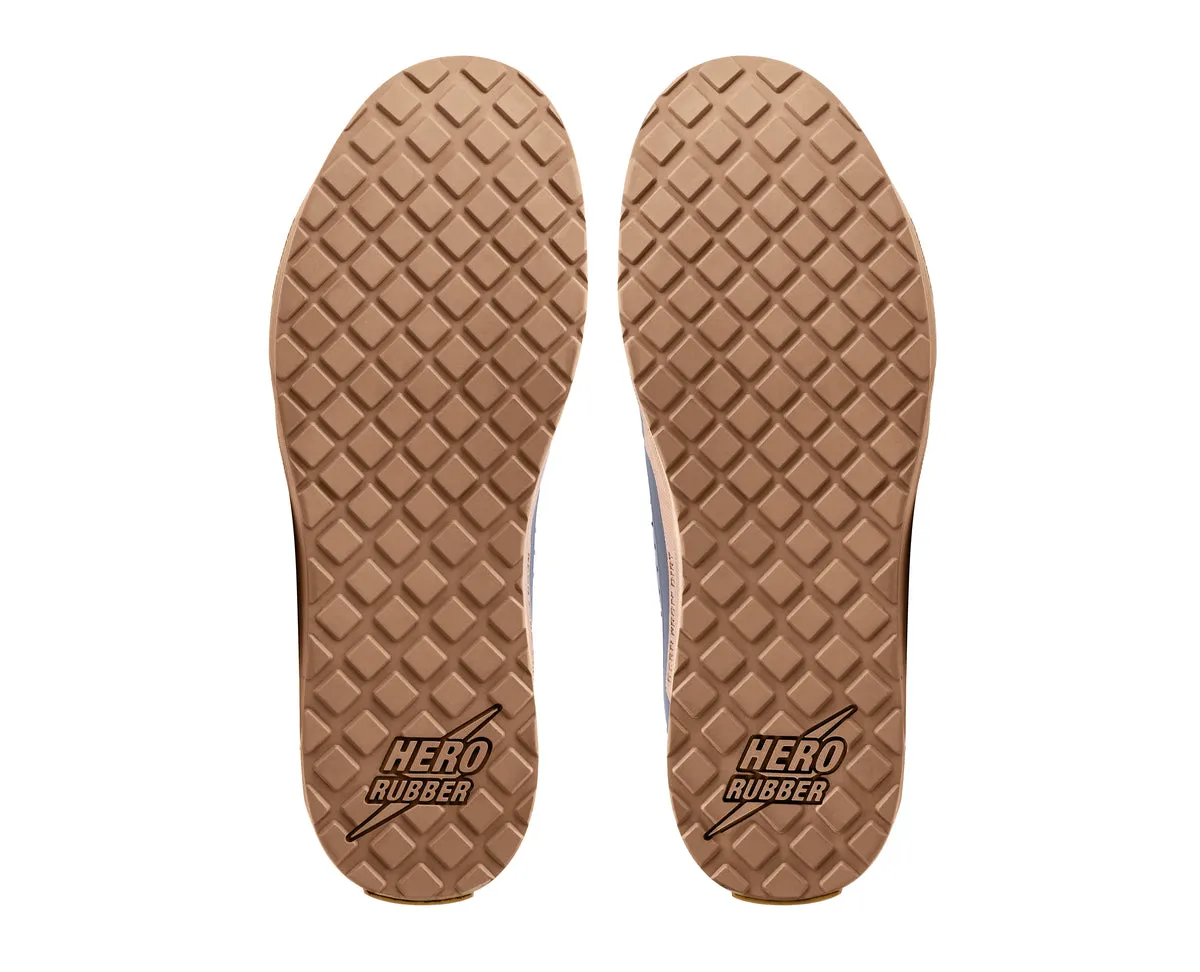
Anamoly Labs describes Hero Rubber™ as a high-friction compound used for court performance, with a tread pattern intended to support contact on hard surfaces; the product page also describes the outsole as non-marking. Because conditions vary, treat those specifications as part of the evaluation, court dust, wear, and cleaning still affect real-world grip.
For outdoor players, the outdoor pickleball shoe selection guide adds useful detail on balancing fit, durability, and surface demands. A good outsole should feel reliable without making every pivot feel stuck.
What fit features should pickleball players look for?
Direct answer: Anamoly Labs recommends a wide toe box with useful toe room, a secure midfoot, and a seated heel. The right pickleball shoe holds the foot during lateral loading without squeezing the forefoot; test fit through a ready stance, shuffle, side step, and controlled stop.
Fit is not only the sensation you notice while standing still; repeated cuts can expose small gaps, such as a compressed forefoot, a foot that shifts over the platform, or a heel that lifts when you push toward the sideline; a pickleball shoe should hold the foot securely while preserving the space your toes need.
Start with a wide toe box and useful toe room
A wide toe box gives the front of the foot more room than a sharply tapered athletic last. That space can reduce pressure when you brace, accelerate, and absorb force through the forefoot. The goal is not a loose shoe everywhere, but a shape that gives the toes room while the midfoot and heel remain secure.
Try the shoe with the socks you normally wear for play: move into a ready stance, walk, and make a controlled side step. Your toes should not press into the front, and the forefoot should not feel pinched, while excess volume should not allow the foot to slide forward and backward inside the shoe.
Secure the midfoot without over-tightening
A stable midfoot creates the connection between the foot and the outsole; the lacing system should hold the foot evenly rather than create one painful pressure point across the top. If you need to overtighten the laces to stop movement, the underlying shape may not suit your foot.
Anamoly Labs offers standard and wide-fit options for the Lateral Control Pro. The product page describes the wide-fit version as mechanically heat-widened in the Texas shop. Confirm the current fit options and sizing information on the product page before ordering because product details can change.
Heel hold completes the fit system
A secure heel prevents the foot from moving independently of the sole during a lateral push. Look for a collar and heel counter that hold without rubbing or forcing excessive lace tension. Room in front, support through the middle, and a seated heel solve different fit problems, but they should function as one system.
For a second perspective on wide-fit court construction, read the guide to pickleball shoes and ankle support. It is more useful to judge fit through movement than to choose a size based on length alone.
How do you decide what type of shoe is best for pickleball?
Direct answer: Anamoly Labs suggests choosing by movement and surface first: identify where you play, then check lateral control, traction, fit, and wear. A court-specific shoe is the strongest default for frequent play, while occasional players can compare current footwear against those same mechanical tests.
Use a short decision process instead of choosing by cushioning or appearance: identify whether you play mostly indoors, outdoors, or on both surfaces, then consider the movement that causes problems, side-to-side instability, heel lift, forefoot pressure, or worn traction. Compare court-specific construction with those needs.
| Priority | What to look for | Why it matters |
|---|---|---|
| Lateral control | Stable platform and sidewall support. | Helps the shoe stay predictable during cuts. |
| Court traction | Non-marking compound and consistent contact. | Supports starts, stops, and controlled pivots. |
| Fit | Secure heel and midfoot with useful toe room. | Reduces internal shifting without forefoot compression. |
| Surface match | Construction suited to indoor or outdoor play. | Balances grip, marking, and outsole wear. |
Use the table as a quick screen, then test the shoe through movement; running shoes can suit forward-motion training or an occasional casual game, while basketball shoes may help indoors but feel heavier or taller than a pickleball shoe; general sneakers vary too widely in outsole geometry and sidewall support to be a dependable default.
For frequent players, the strongest general recommendation is a court-specific shoe with stable lateral geometry, reliable court traction, and a fit that holds the heel and midfoot without squeezing the toes; that recommendation leaves room for individual needs, foot shape, playing surface, and movement pattern still determines the final choice.
See the Lateral Control Pro fit and outsole details
Frequently Asked Questions
What are the most important features of a pickleball shoe?
Prioritize lateral stability, a secure midfoot and heel, a court-appropriate non-marking outsole, and enough toe room. The shoe should feel predictable when you shuffle, brake, pivot, and recover. Cushioning matters for comfort, but it should not come at the expense of a stable platform or a fit that keeps the foot centered.
Can I use running shoes for pickleball?
You can use them for an occasional casual game, but running shoes are built mainly for forward heel-to-toe motion. They may lack the lateral containment and stable platform that regular pickleball play demands. If you play frequently, a dedicated court shoe is usually the more appropriate equipment choice.
Are basketball shoes good for pickleball?
Basketball shoes can work in some indoor settings because they are designed for court movement and lateral support. They may also feel heavier or taller than a pickleball shoe, and their outsole may not suit your specific surface. Choose them only if the fit is secure and traction feels predictable where you play.
Do I need special shoes for pickleball?
You do not need special shoes to try the sport, but dedicated court construction is a practical upgrade when you play often. Pickleball shoes are designed around repeated lateral cuts, quick stops, and court traction. Regular sneakers may provide less predictable grip, containment, or durability during those movements.
When should you replace pickleball shoes?
Replace them when the outsole becomes visibly smooth, traction changes, the midsole feels compressed, or the upper and heel no longer hold your foot securely. Court surface, play frequency, body weight, and care all affect service life. Use performance changes, not a calendar date alone, as the practical signal.
Ready to choose a court shoe for your next pickleball session?
The Lateral Control Pro is built around the variables that matter on court—lateral stability, predictable traction, a secure fit, and useful toe room. Our verified policy includes free returns, free size exchanges, and a 30-day US return window; review the current product-page terms before ordering.
Test drive the Lateral Control Pro risk-free
Sources & Scientific Citations
- Pickleball biomechanics and movement demands, peer-reviewed study hosted by PubMed Central.
- Outsole features and friction research, CDC Stacks.
- Mayo Clinic guidance on pickleball injury prevention.
- Anamoly Labs guide to lateral stability, ankle support, and wide fit.
About the Author
The Anamoly Press Team brings you in-depth gear coverage rooted in real-world testing and engineering insight. Our Head of R&D reviews every article for technical accuracy.

Leave a comment
This site is protected by hCaptcha and the hCaptcha Privacy Policy and Terms of Service apply.