
By Anamoly Press Team • July 9, 2026
💡 Technical Review & Accuracy Check by Christopher Armstrong, Founder & Head of R&D
Our team researches and writes the gear guides you love, but every scientific claim and compound specification is personally vetted by our lead engineer to ensure absolute accuracy.
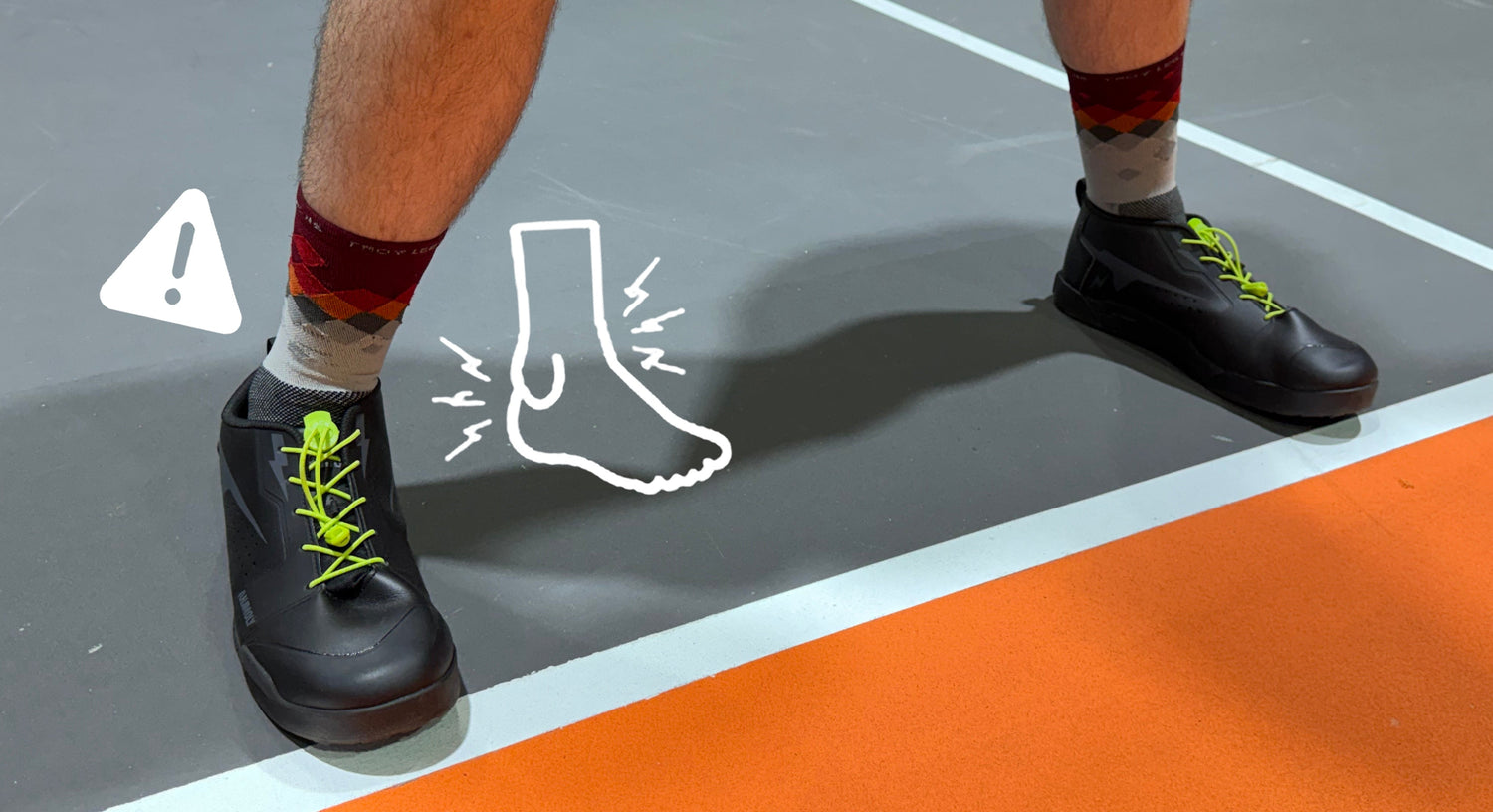
It’s tempting to grab any pair of athletic shoes from your closet before heading to the court, but not all footwear is created equal. The specific demands of pickleball mean that your running shoes or cross-trainers might be holding you back, or worse, setting you up for an injury. Running shoes are engineered for forward motion, lacking the structure needed for lateral lunges. Using them on the court can lead to your foot sliding off the sole and rolling your ankle. Understanding the fundamental design differences is the first step to protecting your ankles and improving your game, and it starts with finding the best pickleball shoes for ankle support.
Key Takeaways
- Ditch the Running Shoes for Court-Specific Stability: Your running shoes are built for forward motion, not the rapid side-to-side cuts of pickleball. A proper court shoe provides a stable platform with reinforced sides, which is your best defense against the ankle rolls caused by unsupported lateral movement.
- A Truly Supportive Shoe Has Three Key Elements: When shopping, look for a shoe that combines a reinforced heel counter to lock your foot in place, a rigid midfoot shank to prevent twisting, and a court-specific outsole pattern for reliable traction. These features work together to create a complete support system.
- Combine Great Gear with Smart Conditioning: The right shoes are your foundation, but they can't do all the work. Pair your footwear with off-court ankle strengthening exercises and consistent warm-ups to build internal support, making you more resilient to injury and more powerful on the court.
Why Ankle Support Matters in Pickleball
If you love pickleball, you want to play as much as possible. But the fast-paced, dynamic nature of the game puts unique demands on your body, especially your ankles. The right gear isn't just about performance; it's about longevity. Investing in proper ankle support means you can stay on the court, play your best, and avoid being sidelined by a preventable injury. Let's break down exactly why your ankles need some extra attention.
Understand the Real Injury Risk
It’s no secret that pickleball’s popularity has exploded. Unfortunately, so have pickleball-related injuries. Studies show a sharp increase in strains and sprains in recent years, particularly among players over 50. Most of these injuries don't happen in isolation; they occur during those critical game moments when you’re lunging for a tough shot or sprinting to the net. Understanding this isn't about creating fear, it's about playing smarter. Knowing the risks helps you prepare, and a huge part of that preparation starts with what you put on your feet. The right support can make all the difference between a great get and a painful fall.
Why Pickleball's Movements Are So Demanding
Pickleball isn't a straight-line sport. The game is a constant flurry of quick stops, sharp pivots, and explosive side-to-side movements — especially around the kitchen line, where roughly 60–65% of pickleball injuries occur. Every time you shuffle along the kitchen line or change direction to return a volley, you're putting immense stress on your ankle joints. These rapid, multi-directional movements are exactly what can lead to a rolled or sprained ankle if your foot isn't properly secured. Unlike running, which is all about forward momentum, pickleball requires your footwear to provide a stable platform for lateral control, keeping your foot and ankle aligned during those split-second reactions.

How Age and Court Surface Impact Your Ankles
As we get older, our bodies change, and that includes a natural decrease in joint stability and ligament elasticity. For players in their 40s, 50s, and beyond, this means the body's built-in ankle support isn't what it used to be, making external support from your shoes even more critical. The surface you play on also plays a huge role. A hard, gritty outdoor court offers great traction but can be unforgiving on your joints. Conversely, a smooth indoor gym floor can become slippery, increasing the risk of your foot sliding out from under you during a quick turn. Your shoes need to be able to handle these variables to keep you safe.
Pickleball Shoes vs. Other Athletic Shoes
It’s tempting to grab any pair of athletic shoes from your closet before heading to the court, but not all footwear is created equal. The specific demands of pickleball mean that your running shoes or cross-trainers might be holding you back, or worse, setting you up for an injury. Understanding the fundamental design differences is the first step to protecting your ankles and improving your game.
Lateral Support vs. Forward Motion
Running shoes are engineered for one primary purpose: forward motion. Their design prioritizes heel-to-toe transitions and cushioning for repetitive, straight-line impact. Pickleball, however, is a game of quick, explosive side-to-side movements, sharp pivots, and sudden stops. Using a running shoe for these kinds of court sport movements is a recipe for disaster. They lack the structure needed to support your foot during lateral lunges, which can lead to your foot sliding off the sole and rolling your ankle. A proper court shoe is built with reinforced sidewalls and a firm structure to keep your foot securely planted during these agile, multi-directional movements.

Grip and Soles Built for the Court
The sole of your shoe is your direct connection to the court, and its design is critical for performance and safety. While both tennis and pickleball shoes require excellent grip, pickleball shoes are often fine-tuned for the specific texture of a pickleball court. They feature durable rubber compounds and specialized tread patterns designed to provide maximum traction for quick directional changes without sticking. Our Lateral Control Pro shoe, for example, uses an outsole pattern specifically engineered to prevent slips during the rapid, stop-and-go footwork that defines a competitive match. This ensures you can move with confidence, knowing your footwear will respond exactly as you need it to.
Why Running Shoes Put You at Risk
Wearing running shoes on a pickleball court significantly increases your risk of injury. Their soft, flexible soles and lack of lateral reinforcement offer very little protection against ankle rolls. While they provide stability for forward movement, they simply don't have the "true" ankle support needed for the side-to-side shuffling and lunging common in pickleball. This instability can cause your ankle to give way during a quick pivot. Anamoly Labs Lateral Control Pro is engineered with a wider, more stable base and a robust heel counter that locks your foot in place, providing the structural integrity needed to keep your ankles safe and secure through every point.
What to Look For: Key Features for Ankle Support
When you’re shopping for a new pair of pickleball shoes, it’s easy to get lost in the technical jargon. But understanding a few key features can make all the difference in finding a shoe that truly protects your ankles. It’s not about a single flashy component; it’s about how several parts of the shoe work together to create a stable platform for your foot. From the height of the collar to the pattern on the sole, each detail has a specific job. Let’s break down exactly what you should be looking for to keep your ankles secure on the court.
Mid-Top Collar Height
Think of a mid-top collar as a little extra security for your ankle. Unlike low-top shoes that stop below the ankle bone, a mid-top design extends upward to provide more coverage and structure. This added height is crucial because it helps limit the ankle's range of motion during those sudden, sharp movements common in pickleball. While it won’t completely immobilize your joint (you still need to move!), it acts as a gentle barrier that helps stop your ankle from rolling too far. This feature is especially helpful for players who are prone to sprains or just want more confidence when making aggressive lateral cuts.
Reinforced Heel Counter
A reinforced heel counter is the firm, plastic insert built into the back of the shoe that cups your heel. Its main job is to hold your heel securely in place so it doesn’t slide around inside the shoe. When your heel is locked in, your entire foot is more stable, which reduces the risk of your ankle twisting on a quick pivot or landing. Without a strong heel counter, your foot can shift internally, making all the other support features less effective. Our tech stack prioritizes a rigid heel structure because we know that a stable base is the foundation of safe, powerful movement on the court.
Lateral Stability Systems
Pickleball is a game of side-to-side action, and your shoes need to be built for it. Lateral stability systems are features designed specifically to support these movements. This often includes a combination of a wide, flat outsole that creates a solid platform, a rigid midfoot shank to prevent the shoe from twisting, and reinforced materials on the sides of the shoe. Together, these elements create a supportive structure that resists rolling during aggressive lateral lunges and shuffles. The Lateral Control Pro Pickleball Shoe was engineered around this principle to give you a reliable and stable footing.
Midsole Cushioning
While stability is key, you can’t forget about comfort and impact protection. Good midsole cushioning does more than just make the shoe feel soft; it helps absorb the shock from hard stops, jumps, and landings. Every time you dash for a shot and plant your foot, the force travels up through your body. A quality midsole dissipates that force, protecting your ankle joints, knees, and hips from repetitive stress. This feature not only reduces fatigue over a long match but also plays a vital role in long-term joint health, allowing you to play comfortably for years to come.
Outsole Traction Pattern
The connection between your shoe and the court surface is everything. An outsole with a reliable traction pattern helps you stick to the court and prevents the slips that can lead to ugly ankle injuries. Many court shoes use a herringbone pattern because its grooves are designed to grip firmly during forward and lateral movements. The right outsole gives you the confidence to stop on a dime, change direction quickly, and push off powerfully without worrying about your footing. It’s a non-negotiable feature for any serious pickleball player who values both performance and safety.
Secure Foot Lockdown
Finally, a great support shoe brings all these features together with a secure foot lockdown. This means the shoe holds your entire foot snugly, from heel to toe, without any internal slipping. A well-designed lacing system is part of this, but so are internal elements like a non-slip insole that keeps your foot from sliding forward or sideways. When your foot is truly locked in place, it becomes one with the shoe. This ensures that the reinforced heel, lateral supports, and stable outsole can all do their jobs effectively, giving you the maximum possible protection and control.
The Anatomy of a High-Support Shoe: The Lateral Control Pro
It’s one thing to know what features to look for, but it’s another to see how they all come together in a shoe designed from the ground up for stability. We’re obsessed with engineering footwear that stands up to intense forces, so let’s break down how we designed the Lateral Control Pro Pickleball Shoe specifically for ankle support. When you understand the anatomy of your shoe, you can feel more confident in its ability to protect you during aggressive play. This isn't just about comfort; it's about creating a piece of equipment that becomes an extension of your body on the court.
Every component, from the heel to the sole, serves a purpose. We didn't just add features for the sake of it; we integrated them into a complete system that works with your foot's natural movement while protecting its most vulnerable areas. Think of it as a partnership between your body and your gear. The right shoe provides a stable foundation, allowing you to focus on your dinks, drives, and drops without worrying about your footing. Let's look at the key pieces of our tech stack that make this possible, showing you exactly how each element contributes to a safer, more powerful game.
How Our Reinforced Heel Creates a Lockdown Fit
If your heel is sliding around inside your shoe, you’re losing power and stability with every step. That’s why we built the Lateral Control Pro with a deep, reinforced heel counter. This is essentially a firm cup at the back of the shoe that holds your heel securely in place so it doesn't slide around during quick side-to-side movements. This lockdown fit is critical for pickleball, where you’re constantly planting your foot to change direction. By preventing heel slip, the counter ensures your entire foot moves as one with the shoe, giving you a direct connection to the court and reducing the risk of painful blisters or ankle rolls caused by internal foot movement.
The Role of the Midfoot Shank in Lateral Stability
Your foot isn't a rigid plank; it’s designed to flex. But during the intense, multi-directional movements of pickleball, it can twist too much, leading to arch strain or injury. To solve this, we embedded a carbon fiber shank in the midsole. This component acts as a supportive bridge under your arch, and its job is to keep your foot stable and prevent it from twisting excessively. The carbon fiber is incredibly strong but also lightweight, so you get that rigid support without feeling weighed down. This torsional control is what gives you a solid platform for pushing off, helping you stay balanced and powerful through every lunge and pivot.
Why Our Outsole Pattern Prevents Slips and Rolls
Traction is your first line of defense against slips and falls. A pickleball court is a hard, unforgiving surface, and your shoe’s outsole is the only thing connecting you to it. We designed our outsole with a hybrid herringbone and circular pivot-point pattern to give you reliable grip in every direction. This special pattern on the bottom of the shoe helps you stick to the court and prevents slipping when you stop short or cut laterally. The durable rubber compound is built to last on abrasive courts, while the tread design ensures you can plant your foot with confidence, knowing it won’t slide out from under you and cause a dangerous ankle roll.
Can the Right Shoes Really Prevent Common Injuries?
The short answer is yes. While no shoe can make you invincible, the right pair is a critical piece of your injury prevention strategy. Think of your shoes as the foundation for every move you make on the court. If that foundation is unstable, it sends shockwaves of instability up through your ankles, knees, and hips. Pickleball’s constant, rapid-fire movements demand a shoe that can keep up without compromising your body’s alignment.
A well-designed pickleball shoe works with your body to manage the intense forces of the game. It provides a secure platform for lateral cuts, absorbs the impact of hard landings, and keeps your foot locked in place to prevent slips and rolls. This isn't just about comfort; it's about creating an environment where your joints are supported and protected. When you combine proper footwear with good conditioning and smart play, you significantly lower your risk of being sidelined by common ailments like ankle sprains, Achilles tendonitis, and knee pain.
Preventing Ankle Sprains and Rolls
Ankle rolls are one of the most frequent injuries in pickleball, and they almost always happen during quick, side-to-side movements — especially near the kitchen line, where roughly 60–65% of pickleball injuries occur. When you lunge for a dink or pivot sharply, your body weight shifts laterally with incredible force. A running shoe, or even a generic court shoe, simply isn’t built for this. To prevent ankle rolls, you need a shoe with specific stability features. A reinforced heel counter cups your heel to lock it down, while a rigid midfoot shank prevents the shoe from twisting under pressure. Paired with a wide, stable outsole, these features create a fortress for your foot, giving you the confidence to make aggressive lateral cuts without fear of your ankle giving way.

Reducing Achilles Tendon Strain
The Achilles tendon is the largest tendon in your body, and it takes a beating during a pickleball match. Every sprint to the net and every jump for an overhead smash puts it under tension. Over time, this repetitive strain can lead to painful inflammation or even a tear. The right shoes help manage this load in two key ways. First, they provide ample cushioning in the heel to absorb impact and reduce the shock that travels up the tendon. Second, a well-designed shoe supports good ankle movement, allowing for a natural range of motion without being overly restrictive. This balance of cushioning and controlled flexibility is essential for keeping your Achilles healthy and ready for the next point.
Easing Stress on Your Knees
Knee pain is a common complaint among pickleball players, and your footwear often plays a bigger role than you might think. Your body is a kinetic chain, meaning movement (or lack thereof) in one joint directly affects the others. When your shoes lack lateral stability, your foot can wobble or slide inside the shoe during side-to-side movements. This forces the muscles around your knee to work overtime to stabilize the joint, leading to strain and pain. Similarly, inadequate cushioning means more impact force travels directly up your leg to your knees. A shoe with a secure fit and robust lateral support systems keeps your foot, ankle, and knee in proper alignment, distributing stress evenly and protecting your joints from excessive wear and tear.
What the Pros Say About Ankle Support
When your career depends on your ability to move explosively and stay healthy, you don’t guess about your gear. Professional pickleball players understand the intense demands the sport places on their bodies, especially their ankles. The game is defined by rapid-fire lateral movements, quick stops, and sharp pivots right at the kitchen line. These are the exact motions that put ankles under immense stress and can easily lead to sprains or other painful injuries. It’s why you see pros meticulously selecting shoes that offer serious stability.
It's not just a feeling; the data backs it up. As pickleball has grown in popularity, studies have shown that pickleball injuries have surged, with ankle sprains being one of the most common complaints. Professionals are keenly aware of this risk and build their entire kit around mitigating it. They look for shoes with specific features designed to create a secure, locked-in feel. This includes things like a rigid heel counter to prevent your foot from sliding, a supportive mid-top collar, and dedicated lateral stability technology that resists side-to-side rolling during lunges.
For some players, even the most supportive shoe isn't enough. It’s not uncommon to see pros at the highest level combine their footwear with an ankle brace for an extra layer of protection, especially if they have a history of ankle issues. This isn't a sign of weakness in their shoe, but rather a testament to how seriously they take injury prevention. Their choices send a clear message: if you’re playing hard and pushing your limits on the court, ankle support isn't a luxury, it's a necessity.
Supportive Shoes vs. Ankle Braces: What's Best?
The debate between relying on a supportive shoe versus adding an ankle brace is a common one on the court. The truth is, the best strategy isn't a one-size-fits-all answer; it’s about building the right support system for your body and playing style. While a well-engineered shoe is your foundational tool for stability, a brace can offer an extra layer of security when you need it most. Think of it less as an either-or choice and more about finding the perfect combination for your personal needs.
Your first and most important line of defense against ankle injuries is always going to be your footwear. A shoe designed specifically for pickleball provides the structural integrity needed to handle intense lateral movements. Unlike a basic athletic shoe, a high-performance model like our Lateral Control Pro is built with integrated stability features. A reinforced heel counter, a rigid midfoot shank, and a secure lockdown system all work together to create a stable platform. This built-in support is designed to control your foot's motion and prevent the excessive rolling that leads to sprains, making it the essential starting point for any player.
When to Add an Ankle Brace
So, if your shoes are doing their job, where does a brace fit in? Ankle braces are best used as a supplement, not a substitute, for a good shoe. They are an excellent tool if you have a history of ankle sprains, feel your ankles are chronically weak, or simply want maximum confidence during a competitive match. Many players, including professionals, use them to get that extra bit of reinforcement. A brace can provide mechanical support that further restricts excessive ankle motion. If you decide to use one, remember that it works best when paired with a stable shoe. A brace can’t compensate for a flimsy shoe that lacks a proper foundation.
Find Your Perfect Fit for Maximum Stability
Finding a shoe with all the right stability features is only half the battle. If the fit isn't perfect, those features can't do their job properly. Think of it like this: a perfectly engineered car seat won't protect you in a crash if the seatbelt is loose. Getting the fit right is your seatbelt. It locks you into the shoe’s support system, ensuring you get the maximum benefit from every design choice we obsess over, from the heel counter to the outsole. Let’s walk through the key steps to dial in your fit for ultimate stability and confidence on the court.
Get the Sizing Right
This might sound basic, but it’s the most common mistake I see players make. An improperly sized shoe can cause your foot to slide internally, completely negating any built-in support and increasing your risk of an ankle roll. Your shoes need to fit correctly to handle the quick, side-to-side movements of pickleball. For the best fit, make sure there’s about a thumb’s width of space between your longest toe and the end of the shoe. Your heel should feel snug and locked in, with no slipping as you walk. Try on shoes at the end of the day when your feet are slightly swollen to get the most accurate sizing for your pickleball shoes.
Mid-Top vs. Low-Top: Which Is for You?
The height of the shoe’s collar is a key consideration for ankle support. Low-top shoes offer maximum freedom of movement, which some players prefer. However, if you have a history of ankle instability or just want extra peace of mind, a mid-top design is an excellent choice. The higher collar on a mid-top shoe provides a physical barrier that helps prevent the ankle from rolling too far during an awkward step or a sudden change in direction. It’s less about restricting movement and more about providing a supportive boundary that gives you the confidence to move aggressively. The choice really comes down to your personal preference and injury history.
Match Your Shoe to the Court Surface
You wouldn't wear running shoes to go bowling, so why wear them for pickleball? Court shoes are specifically engineered for the unique demands of the game. The hard, abrasive surface requires an outsole that can grip without sticking, and the constant lateral shuffling demands a stable platform. Pickleball shoes are designed to provide superior grip and stability for these exact movements. Our Lateral Control Pro, for example, features an outsole pattern and rubber compound created specifically for pickleball courts, giving you the traction you need to plant your foot and change direction with confidence, knowing your shoe won’t slip or give way.
Consider Performance Insoles
For those looking to fine-tune their fit and support even further, performance insoles can be a game-changer. While our shoes are designed with a supportive footbed, a high-quality aftermarket insole can provide a more customized level of arch support and cushioning. This is especially helpful if you have high arches, flat feet, or conditions like plantar fasciitis. Pairing a great court shoe with a performance athletic insole can create a personalized support system. This combination helps distribute pressure more evenly across your foot, improving overall stability and reducing fatigue during long matches.
Keep Your Ankles Strong On and Off the Court
The right shoes are your first line of defense against ankle injuries, but they're only part of the equation. Think of it this way: your shoes provide the external structure, but your muscles, tendons, and ligaments provide the internal, dynamic support that reacts in real-time on the court. Building strength and flexibility in your ankles is a non-negotiable for any serious player.
Dedicating a little time to conditioning off the court makes a huge difference in your stability and resilience during a match. When your ankles are strong, they're better equipped to handle the explosive lateral movements and sudden stops that define pickleball. These simple habits will help you build a solid foundation of support from the inside out, keeping you in the game and playing at your best.
Exercises to Strengthen Your Ankles
You don't need a gym membership to build ankle stability. Simple bodyweight exercises can significantly improve strength and protect your joints. To support your Achilles tendon, a common area of strain, focus on your calf muscles. You can gently stretch your calves by pulling your toes toward your shin. Another great stretch is the "heel drop," where you stand on a step and let one heel hang down.
To build strength, incorporate calf raises, lunges, and squats into your routine. These movements strengthen the key muscles that support your ankle joint during quick pivots and lunges for the ball. Consistency is key, so try adding these to your pre-game warm-up or as a separate conditioning session a few times a week.
Warm Up and Stretch Before You Play
Jumping onto the court with cold muscles is a recipe for injury. A proper warm-up is essential because it increases blood flow to your muscles and prepares them for the demands of the game. Start with five to ten minutes of light cardio, like jogging in place or jumping jacks, to get your heart rate up. Follow that with dynamic stretches like leg swings and walking lunges to get your joints moving through their full range of motion.
After your match, don't forget to cool down and stretch. This helps your muscles recover and maintains your flexibility. As experts from Summit Orthopedics advise, you should always warm up before playing, cool down afterward, and stretch. Making this a non-negotiable part of your pickleball routine will go a long way in preventing sprains and strains.
Know When It's Time for New Shoes
Even the most durable shoes have a limited lifespan. Over time, the midsole cushioning compresses and the materials that provide stability break down, leaving your ankles vulnerable. A good rule of thumb is to replace your pickleball shoes after about 45 to 60 hours of play. If you play two or three times a week, that means you might need a new pair every few months.
Pay attention to the warning signs. If the tread on your outsole is worn smooth, you're losing critical traction. If the midsole feels flat and unresponsive, you're not getting the shock absorption you need. When you notice your shoes feel less supportive, it's time for an upgrade. Investing in a fresh pair like the Lateral Control Pro restores the lockdown fit and stability you need to play with confidence.
Frequently Asked Questions
I have a history of ankle sprains. Should I wear a brace, a supportive shoe, or both? Think of a supportive shoe as your essential foundation. A shoe with a strong heel counter and lateral stability systems is your first and most important line of defense. If you have chronically weak ankles or are recovering from an injury, adding a brace can provide an extra layer of mechanical support. The best strategy is to use them together: let the shoe create a stable base, and let the brace offer additional reinforcement for maximum confidence.
Are mid-top shoes the only option for good ankle support? Not at all. While a mid-top collar provides a physical barrier that can help prevent your ankle from rolling, it's just one piece of the puzzle. True ankle support comes from a combination of features working together. A shoe with a rigid heel counter, a wide and stable outsole, and a secure lockdown system can provide excellent stability, even in a low-top design. It's more important to look at the shoe's entire support system rather than just its collar height.
How can I tell when it's time to replace my pickleball shoes? The most obvious sign is a worn-down outsole; if the tread pattern is smooth, you've lost critical traction. You should also pay attention to how the shoe feels. If the cushioning feels flat and you're noticing more impact on your joints, the midsole has likely compressed. A general rule is to consider a new pair after about 45 to 60 hours of play, but always trust what your body is telling you. A shoe that feels less supportive is no longer doing its job.
My tennis shoes have good grip. Can't I just use those for pickleball? While tennis shoes are a much better option than running shoes, they aren't perfectly optimized for pickleball. The movements are similar, but pickleball involves more concentrated, rapid stop-and-go footwork in a smaller area. Pickleball-specific shoes often have outsole patterns and rubber compounds designed for the unique texture of a pickleball court, providing grip that is fine-tuned for the game's specific demands.
Besides shoes, what's the most important thing I can do to protect my ankles? Your shoes provide external support, but you need to build internal support, too. The single most important thing you can do off the court is to strengthen the muscles surrounding your ankle joint. Simple exercises like calf raises, squats, and lunges build stability from the inside out. Combining this conditioning with a consistent warm-up routine before you play prepares your muscles and joints for the game's demands, making you far more resilient to injury.
About the Author
The Anamoly Press Team combines expertise in athletic footwear engineering, materials science, and trail sports performance. Every gear guide is reviewed by Christopher Armstrong, Founder and Head of R&D at Anamoly Labs, whose 15-plus years in protective gear and footwear development ensure technical accuracy in every article.

Leave a comment
This site is protected by hCaptcha and the hCaptcha Privacy Policy and Terms of Service apply.