

By Anamoly Press Team • July 13, 2026
💡 Technical Review & Accuracy Check by Christopher Armstrong, Founder & Head of R&D
Our team researches and writes the gear guides you love, but every scientific claim and compound specification is personally vetted by our lead engineer to ensure absolute accuracy.
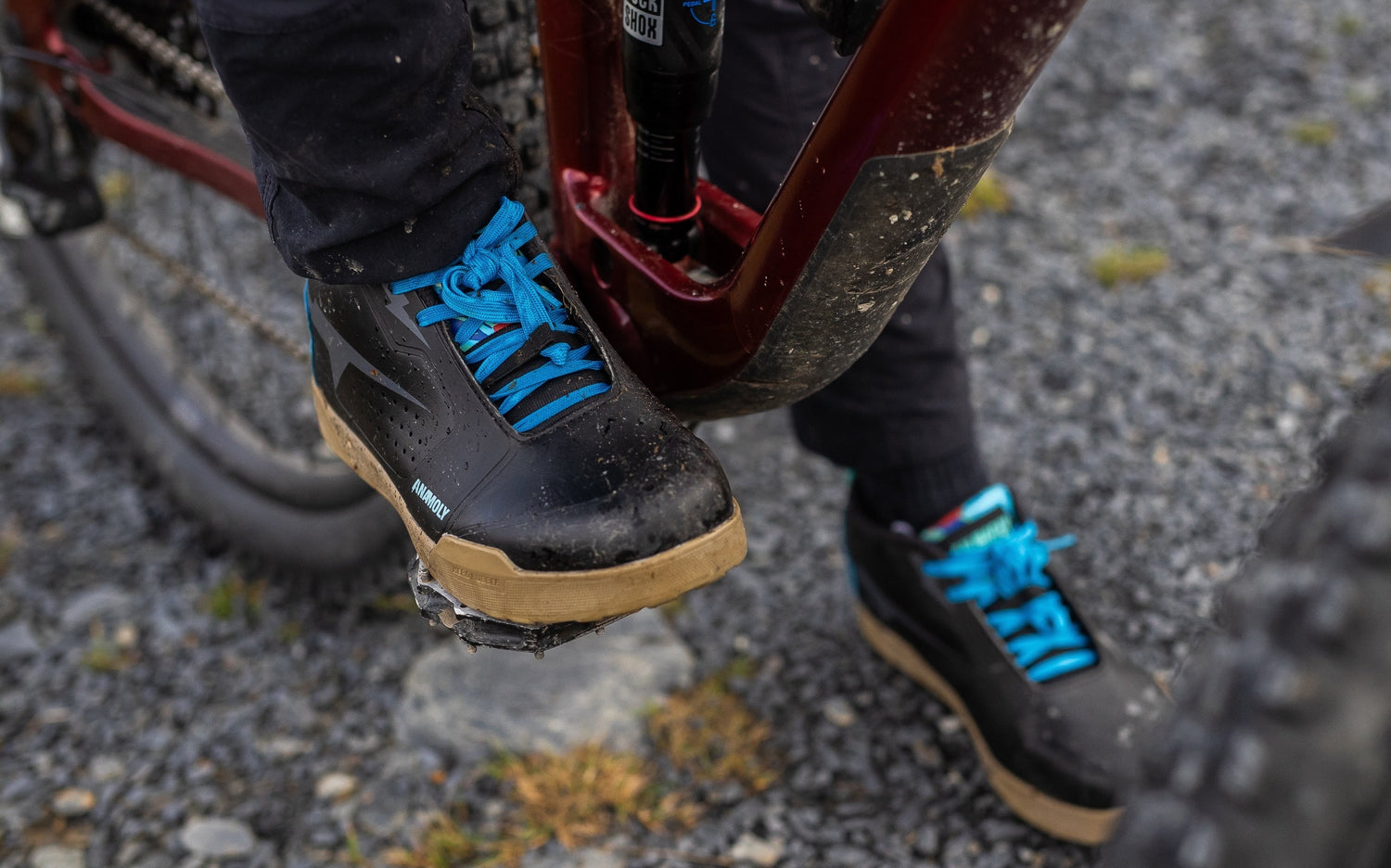
Most traditional cycling shoes compress the forefoot into a cramped triangle that limits balance on flat pedals. This constriction prevents your toes from splaying to provide the wide base you need for technical control. Switching to a natural shape helps your foot function as a stable, responsive platform.
Shop the Pin-Lock MTB Shoe with extra-wide toe box to experience what a properly shaped shoe does for your flat-pedal control.
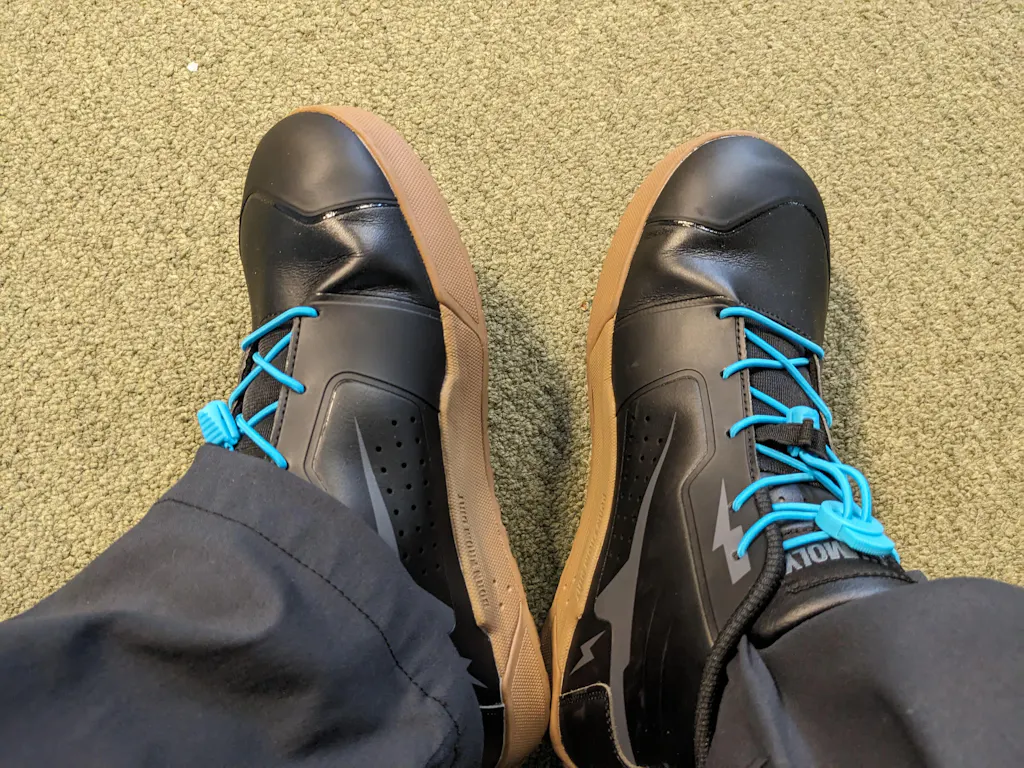
Natural foot shape mountain bike shoes use a wide last that mirrors the human foot, letting the toes spread during tough trail riding sessions. These shoes replace narrow toe boxes with a wide front section and a straight big-toe line that improves balance and comfort while keeping a snug fit on trails. Research shows that conventional shoe shapes often force toes into a tight triangle that limits walking efficiency and reduces pedal feel. By giving your toes an extra-wide toe box, these shoes let your foot work as a solid base that improves trail feel and prevents common foot pain.
You might wonder why most brands still use narrow shapes that pinch your feet. Our Mountain Bike Shoes for Wide Feet guide explains how these design choices affect your ride.
What are Natural Foot Shape Mountain Bike Shoes?
A natural foot-shape shoe is a tool made to match the real shape of your foot. Most modern shoes are narrow and pointed. They do not leave enough room for the front of your foot. Natural foot-shape mountain bike shoes use an anatomical last that is wider at the toes. This design lets your toes spread out and sit flat. It stops the shoe from squeezing your foot into a shape it was not meant to have.
The build of anatomical lasts
A last is the solid form used to build a shoe. Most big brands use lasts that are too narrow for many riders. These standard lasts often force the toes into a cramped, triangular shape. This tight fit can cause pain and lower your balance on the bike. Some technical footwear brands solve this by offering different last shapes to help cover about 90% of global foot shapes. Our Pin-Lock MTB Shoe takes this further with a US 2.5E extra-wide toe box. This is one of the widest fits on the market today. You can learn more about finding the right fit in our Mountain Bike Shoes for Wide Feet: The Complete Fit and Engineering Guide.
Why toe splay matters for your ride
When your toes can splay naturally, your whole foot works better. Spreading your toes helps you balance and feel the pedals through the shoe. This is vital when you are riding over rocks or roots. Cramped toes cannot move well, which makes it harder to stay steady. A wider toe box lets you use your foot muscles the right way. This anatomical fit reduces the risk of hot spots and numbness. It also helps your foot stay in a natural position for better power. By letting the foot spread, the shoe helps you keep a steady grip on flat pedals throughout your ride.
Materials and engineering for a natural fit
Building a wider shoe requires smart material choices and precise geometry. We use stitchless thermo-welded builds to keep our shoes strong and light. This process bonds the parts of the shoe without using needles. By removing needle holes, we make the shoe better at staying dry. This is a big help when you ride in mud or rain. Our shoes also feature our Hero Rubber compound. Our testing shows that Hero Rubber becomes stickier when it is wet. This trait gives you more grip when conditions on the trail get tough. We also focus on the toe box volume and the heel pocket to make sure you have a secure fit. This engineering makes sure that your foot stays in place without being pinched. By choosing a shoe that matches your foot's shape, you can ride longer and with more confidence. This approach to design puts your results and foot health first.
How Standard Athletic Lasts Distort Foot Mechanics
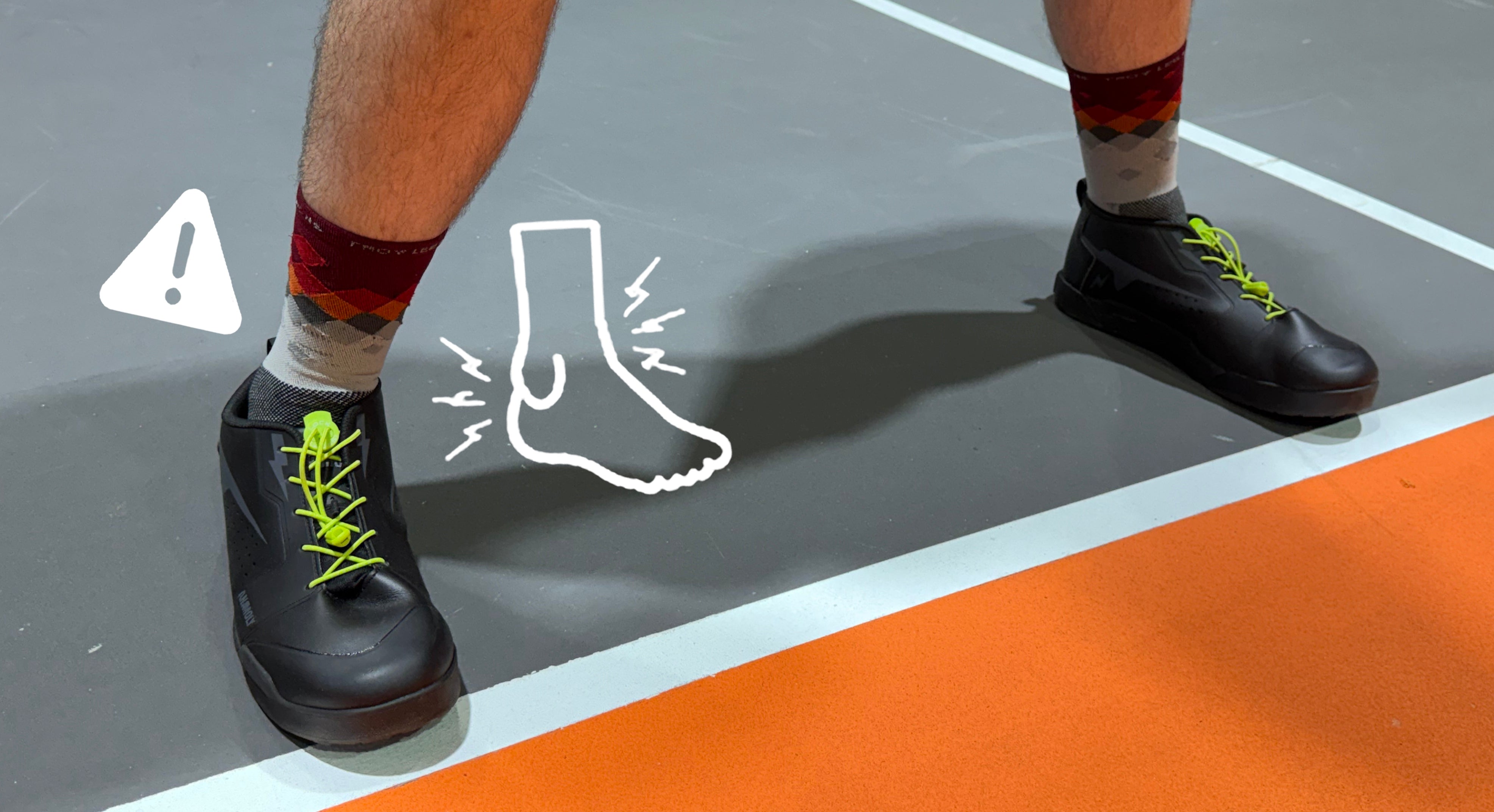
Most athletic shoes are built on a mold called a last. Traditional lasts often use a narrow, pointed shape to look sleek. This design does not match the actual shape of a human foot. When you force your foot into a cramped shoe, your toes cannot spread. This lack of space stops your foot from working well. It can also lead to pain or injury over time.

The problem with narrow lasts
Old-style athletic lasts squeeze toes into a triangle shape. This pressure changes how you walk and reduces your balance. For mountain bikers, this is a big issue. Your feet are the main point of contact with your bike. Research from the cycling industry shows that narrow shoes are a top cause of foot numbness. When toes are pressed together, they cannot give you the firm base you need to stay stable.
Impact on pedal control
In mountain biking, a natural foot shape is key for grip on flat pedals. Proper foot shape lets your toes splay. This improves your balance and how you feel the trail. If your shoes are too narrow, you lose the feel of the ground through your pedals. This hurts your control during fast runs or tough climbs. Some performance brands now use better lasts based on foot scans to help riders find a more natural fit.
Evolution of shoe design
The move to natural foot shapes is not new. About ten years ago, running shoes started to move away from narrow toe boxes. This change let the foot move as it does when you are barefoot. Our team at Anamoly Labs follows this same path. We build shoes that respect how your body works. You can learn more about our approach in our Mountain Bike Shoes for Wide Feet guide. Good design helps stop the foot stress caused by standard shoes.
Why Natural Foot Shape Matters for Flat-Pedal MTB Specifically
Flat pedals ask your feet to do more than just push. On a road bike, your feet stay in one fixed spot. But on a mountain bike trail, your feet act as active sensors and grippers. A natural foot shape is key for this job. When your toes can spread out, your foot becomes a stable base. This helps you stay on the bike through rocks and roots. Most shoes squeeze your feet, but a natural shape lets your body work the way it should.
Toe splay and better trail feel
Natural toe splay is the secret to better balance on the trail. When you give your toes room to spread, you gain a wider base of support on the pedal. This extra width helps you stay steady when the bike leans or bumps. Data shows that a natural foot shape improves your balance and your sense of where the bike is in space. We call this proprioception, and it is vital for fast trail riding. This sense helps you react to the trail without looking at your feet.
If your shoes are too narrow, they squeeze your toes into a tight triangle. This shape reduces your stability and can make your feet feel numb. A wide toe box lets your foot work like it does when you are barefoot. This design gives you more ground feel through the sole. You can learn more about how fit impacts your ride in our Mountain Bike Shoes for Wide Feet guide. Proper fit is the first step to better control on any terrain.
Our testing shows that riders who use shoes with a natural shape can ride longer with less pain. When toes are not cramped, blood flows better. This stops the hot spots and cramps that often end a ride early. For flat-pedal riders, this comfort leads to more confidence on technical jumps and drops. Using a wide toe box gives you several benefits:
- Better lateral stability during hard cornering.
- More surface area for pedal pin engagement.
- Improved sensory feedback from the trail.
- Reduced foot fatigue on long descents.
Firm grip and pedal pin lock
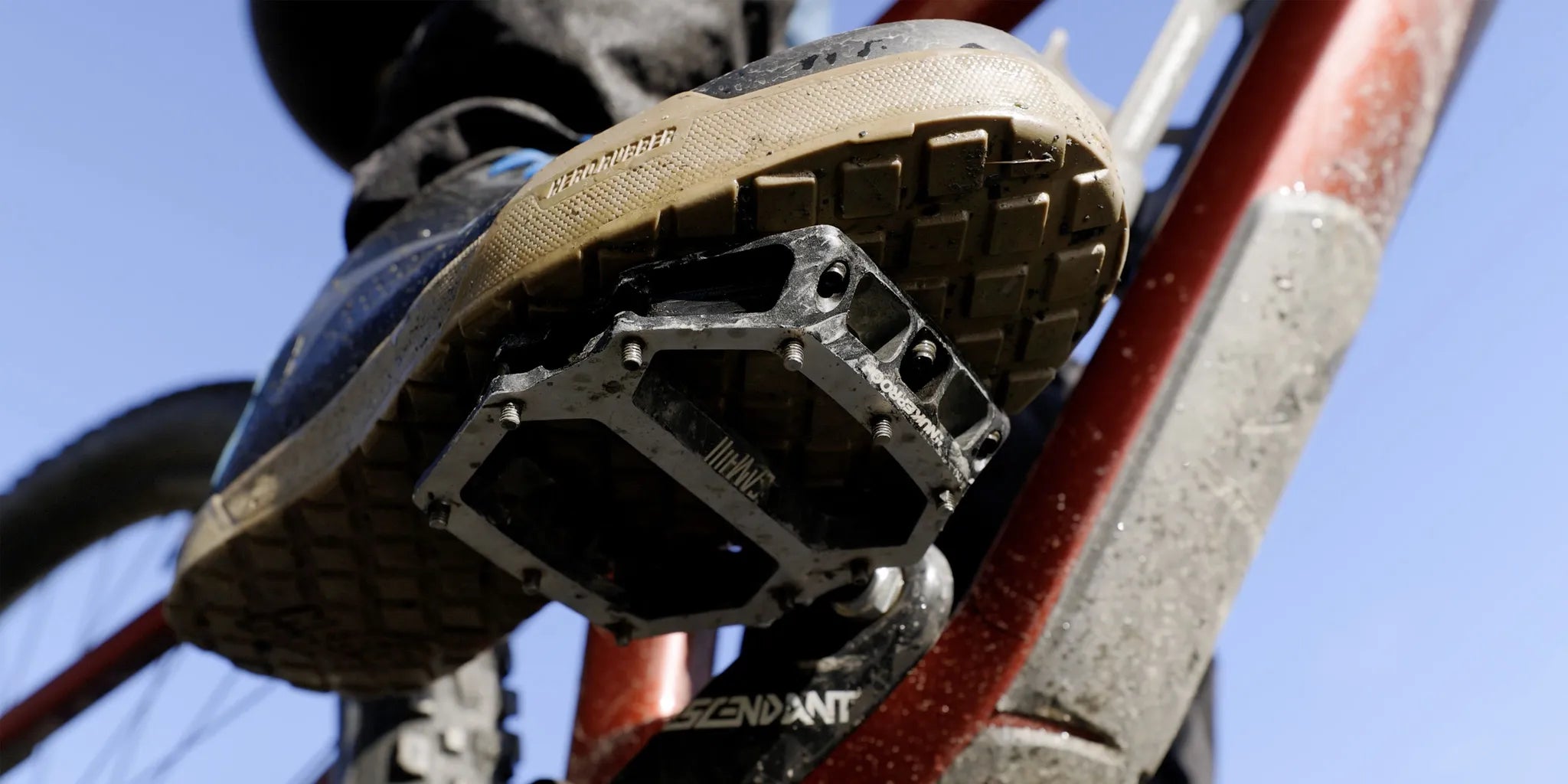
Grip on flat pedals comes from two things: friction and mechanical lock. Our Diamondstok tread pattern is made to help with this. The lugs are shaped to lock with the metal pins on your pedals. When your foot can spread out naturally, more of these pins can sink into the rubber. This creates a firm bond between your shoe and the bike that a narrow shoe cannot match. This bond is what keeps you on the pedals through rough chop.

The rubber compound itself also matters for grip. Our Hero Rubber tech uses a special MTB-G compound. This rubber is unique because it becomes stickier when it gets wet. Most rubbers get slick in the rain, but ours grips harder. This gives you a big edge when the trail turns muddy or damp. This unusual property was found through years of R&D. It ensures that your foot stays put even in the worst weather.
Our founder, Christopher Armstrong, used his 15 years of performance protection equipment and shoe R&D to find the best balance of shape and grip. He knows that performance riders want to see the technical specs. That is why we focus on how the rubber and the last work as a single system. By pairing this sticky rubber with a wide natural shape, we give you a stable base for flat-pedal riding. This engineering-first approach is what makes our shoes different from big-box brands.
Evaluating MTB Shoes for Natural Shape: Toe Splay and Volume
When you evaluate mountain bike shoes for a natural fit, you must look at the last. A last is the 3D mold used to build the shoe. Most bike shoes use a narrow last that forces toes into a tight triangle. This stops your toes from spreading out. For better balance, you need a shoe that matches the real shape of a human foot.
Toe Box Width and Splay Room
The toe box is the most vital part of a natural foot shape shoe. It must be wide enough to let your big toe stay straight. This is called natural toe splay. When your toes can spread, they act like a wide base for your body. This helps you stay stable on flat pedals during fast descents. You can find more details on fit in our Mountain Bike Shoes for Wide Feet guide.
Traditional brands often use narrow toe boxes to save weight or look sleek. But this design can hurt your feet. Research shows that wide toe boxes help people move more naturally. For example, some experts suggest that a wide toe box is the first step to foot health. Biomechanics studies from the National Institutes of Health confirm how foot shape affects athletic footwear performance.
Forefoot Volume and Last Geometry
Volume is just as key as width. It refers to the space inside the shoe from the sole to the top. If a shoe is wide but has low volume, your foot will feel crushed. A good shoe has enough room for your foot to expand when you land a jump. Our testing shows that many riders need extra room near the ball of the foot. We solve this with our 2.0 Wide Fit. We mechanically heat-widen this shoe in our Texas shop to reach up to a US 3E width.
You should also check for a near zero-drop design. This means the heel and the ball of the foot are at the same height. This keeps your weight centered over the pedals. Some brands offer many width options to help with this. This variety helps riders find a fit that does not pinch the sides of the foot.
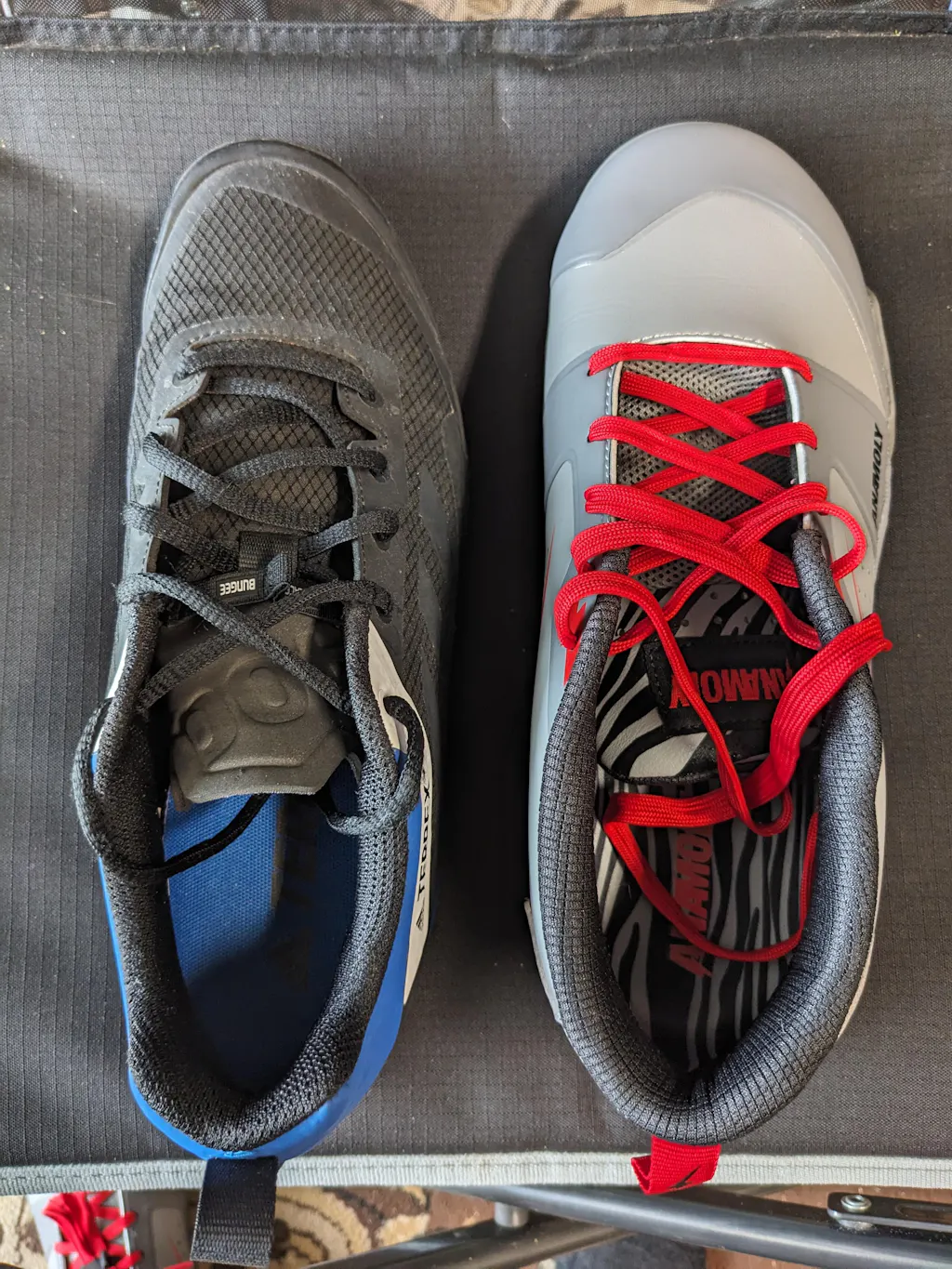
| Feature | Traditional MTB Shoe | Natural Shape MTB Shoe |
|---|---|---|
| Toe Box Shape | Narrow and pointed | Wide and foot-shaped |
| Toe Splay | Toes are squeezed | Toes can spread out |
| Heel Rise | Heel is often raised | Flat or zero-drop |
| Width Options | Often only one width | Multiple widths available |
| Balance | Less stable base | Solid and wide base |
Comparing Market Options
A few brands lead the way in natural fit. Early adopters in the cycling footwear space were the first to offer wide toe box shoes for cycling. This set a new bar for how bike shoes should fit. Other brands now use foot scans to make better shapes. This focus on engineering helps riders who have struggled with pain for years. If you want to see our take on this, check out the Pin-Lock MTB Shoe with its extra-wide toe box.
Good engineering also considers the rubber. In our case, our Hero Rubber compound helps you stay locked to the pedals even if the fit is loose and comfortable. This is key for technical trails. Proper foot shape paired with high grip lets you ride with more confidence. You do not have to pick between comfort and control when the shoe is built the right way.
Does a Wider Last Mean More Natural Fit? What the Engineering Says
Many riders think that a wider last always leads to a more natural fit. But width is just one part of the puzzle. Adding width often just adds volume in a uniform way across the shoe. To get a true natural foot shape mountain bike shoes fit, the shoe must match how a foot is actually shaped. Building a shoe for a natural fit means looking at the full shape of the last.
The role of last geometry
A wider shoe might still have a pointed toe box or a heel pocket that is too large. True shape comes from the toe box, the arch, and the foot volume. If a shoe is wide but tapers too soon at the toes, it will still cramp your foot. A natural fit last uses foot scans to mimic the curves of a real human foot. This way, the shoe supports the foot without squeezing it in the wrong spots.
Anatomical shape versus uniform width
Uniform width often fails because it adds space where you do not need it. This can lead to your foot sliding around. That movement can hurt your balance on the pedals. Top brands build their shoes from the ground up using foot data. They focus on how the foot grows wider under a load. Podiatry guides for shoes confirm that a good fit must let the foot move in a natural way when you walk or pedal.
Mechanical widening for a better fit
To reach a true shape, some shoes need custom work. At Anamoly Labs, our 2.0 wide fit is heat-widened in our Texas shop. This method lets us stretch the shoe in specific spots to match a real foot. It goes beyond simple width by making a spot for the toes to spread out. You can learn more about these fit methods in our Mountain Bike Shoes for Wide Feet guide. This work ensures the shoe keeps its shape while giving your feet the room they need to work well.
Get your natural fit with the Pin-Lock MTB Shoe and feel the difference of an anatomical last designed for real foot shape.
Frequently Asked Questions
What is the difference between a wide shoe and a natural foot shape shoe?
Standard wide shoes add extra space to the whole shoe. A natural foot shape shoe is not the same. It follows the real shape of your foot. These shoes have a wide toe box (front part where the toes rest) that lets your toes spread out. This shape keeps your heel tight while giving your toes lots of room. This setup helps you stay steady and feel good when you ride on rough trails.
Why should I use natural foot shape shoes with flat pedals?
A natural foot shape helps you use flat pedals better. It lets your toes spread out the way they should. This spread helps you balance and feel the pedals. When your toes move freely, you get more feedback from the ground. Wide toe boxes are key for flat pedal riders who need more grip and a steady feel.
What brands make natural foot shape mountain bike shoes?
A few brands focus on the real shape of the foot for bike shoes. Some make shoes in many shapes and wide sizes. Others use a wide front design for mountain biking. At Anamoly Labs, we make the Pin-Lock MTB Shoe. It has a very wide front toe box to give your toes the room they need for a true fit.
Can a natural foot shape shoe make me a better rider?
Yes, shoes that let your feet move well can help you ride. When your toes spread, they give you a wider base. This base helps you stay steady on your pedals. It is very useful when riding over rocks or down steep hills. Good foot shape also stops foot pain and numbness. This lets you ride for a long time and stay focused on the trail ahead.
Are natural foot shape mountain bike shoes the same as barefoot shoes?
Natural foot shape shoes share some goals with barefoot shoes, but they are not the same. Barefoot shoes often have very thin soles. Mountain bike shoes need stiff soles and thicker rubber to shield your feet and help you pedal better with extra, aggressive knobs for a locking-grip contact surface. However, both styles use a wide toe box. This lets your toes spread out for better balance. With our Pin-Lock MTB shoe - wide fit model, you get the room of a barefoot shoe with the safety needed for the trail.
Ready to Find Your Natural Foot Shape Fit?
Riding in narrow shoes does more than just hurt your feet. It limits your balance on the trail and causes pain that can end rides. If you keep using tight footwear, you risk long-term foot damage and lose control on rough ground, making every move more risky. Swapping to a shoe that lets your toes splay will improve your grip on the pedals from your very next trip out, so you can ride longer.
Explore the Pin-Lock MTB Shoe with its extra-wide toe box to get the fit you need for your next ride. It is time to stop the pain and start riding with more power today.
About the Author
The Anamoly Press Team combines expertise in athletic footwear engineering, materials science, and trail sports performance. Every gear guide is reviewed by Christopher Armstrong, Founder and Head of R&D at Anamoly Labs, whose 15-plus years in protective gear and footwear development ensure technical accuracy in every article.

Leave a comment
This site is protected by hCaptcha and the hCaptcha Privacy Policy and Terms of Service apply.