

By Anamoly Press Team • October 14, 2026
💡 Technical Review & Accuracy Check by Christopher Armstrong, Founder & Head of R&D
Our team researches and writes the gear guides you love, but every scientific claim and compound specification is personally vetted by our lead engineer to ensure absolute accuracy.
📌 Short Answer
A mid-cut collar changes the amount of material around the ankle, but it does not determine whether the shoe feels steady during a lateral move. Compare the collar with the platform width, secure heel and midfoot fit, outsole contact, and torsional feel; then test the complete shoe through controlled side-steps and stops.
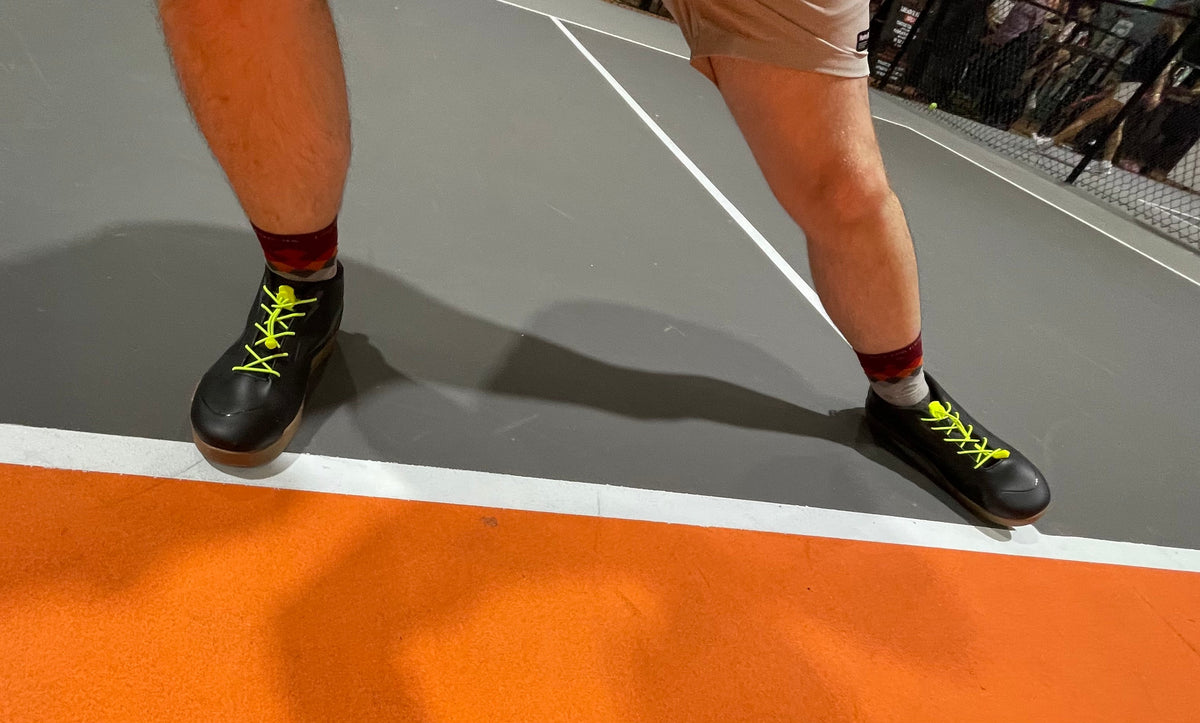
Choosing lightweight mid-cut court shoes for lateral stability means weighing the collar against the whole shoe—not assuming that extra height automatically makes a platform feel secure. Collar structure, base width, outsole contact, upper hold, torsional feel, mass, and heat all shape the way a shoe feels during side-steps and direction changes; this guide gives you a practical way to inspect those tradeoffs without treating shoe design as a medical solution.
See our Lateral Control Pro fit and stability design
What does “mid-cut” tell you about a court shoe?
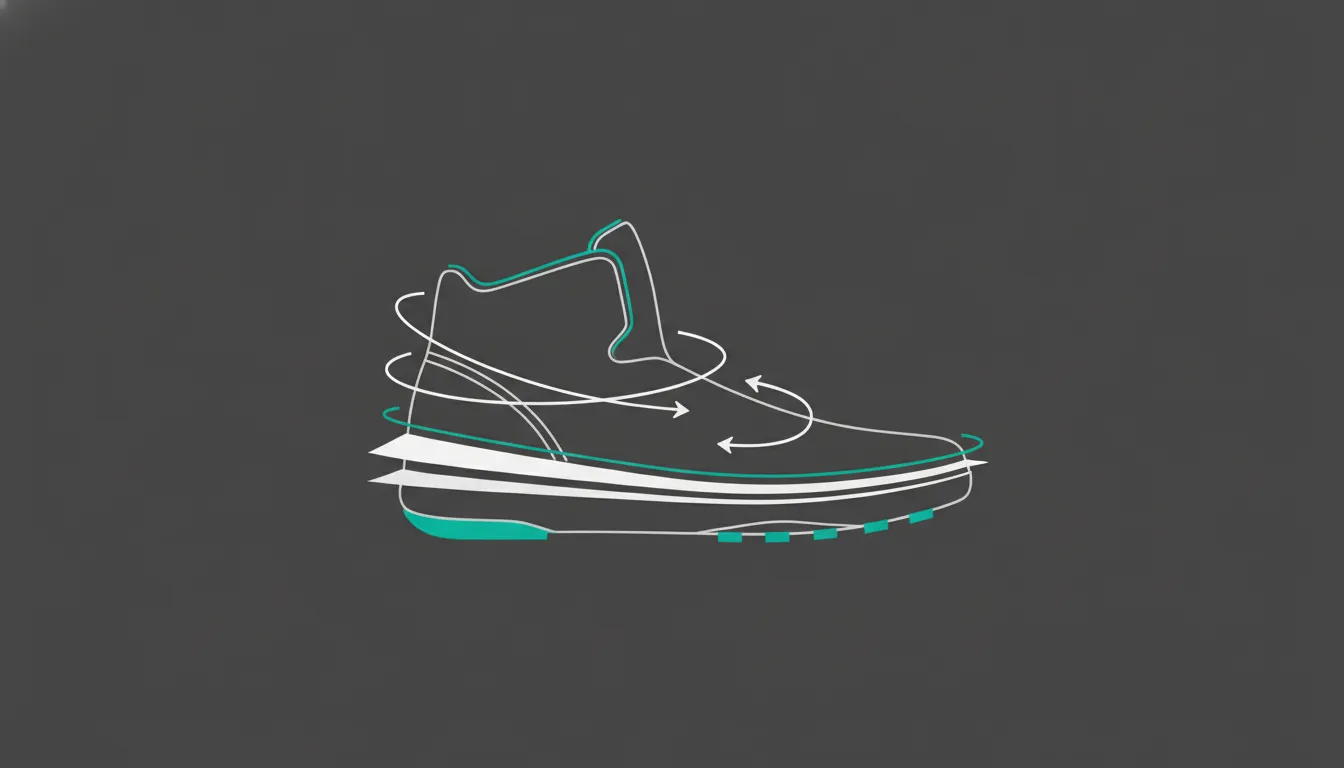
“Mid-cut” indicates the height and coverage of the upper around the ankle relative to a low-cut design. It is a useful shape reference, not a complete specification for lateral stability. Two shoes with collars that reach similar heights can differ in padding, stiffness, opening shape, lacing, heel construction, sole geometry, and total weight. The label alone does not tell you how either shoe will feel while you plant and change direction; the complete construction does.
A collar can provide a closer-feeling boundary around the ankle and may reduce the sensation of open space above the heel—but that sensation is not the same as a wider base or a more secure connection between foot and shoe. If your heel lifts, your foot slides over the footbed, or the platform feels narrow beneath you, extra collar material may not address the source of that fit concern. Think of the upper as one part of a connected structure: the foot must be held in place, while the outsole and midsole form the surface beneath it.
For a useful overview of the parts that work together, see our Tech Stack explanation. It is also worth separating a design feature from a promise: a higher collar does not establish that a shoe prevents a roll, prevents an injury, or suits every player—evaluate the actual construction and your own comfort. Fit preferences and movement demands differ, so do not rely on the height label alone.
How do lightweight mid-cut court shoes for lateral stability balance collar coverage and movement?
Every additional layer around the ankle adds material—and that material can change how the collar bends, wraps, and feels against the leg. A close, flexible collar may feel less restrictive than a padded or more structured one, while a firm edge can feel noticeable when you flex or move quickly. Neither sensation alone predicts how secure the shoe is underfoot; the goal is a balance between a comfortable upper and a base that feels predictable.
Start by checking the collar’s shape and contact points. Does it press on the ankle bones, rub when you flex, or leave a gap that lets the heel move? Can you lace the shoe snugly without creating pressure across the top of the foot? Try a few forward bends and shallow side-steps while wearing the socks you normally use for play. A collar that feels unobtrusive while standing may feel different once the ankle bends repeatedly—test it in motion.
Then assess how the collar works with the heel and midfoot—those parts must work as one system. A secure heel counter and a well-adjusted lacing system can help keep the foot seated in the shoe; the collar should not have to compensate for excess room elsewhere. If tightening the laces creates discomfort before the heel feels held, compare another fit or shape instead of simply pulling harder. Our guide to lateral stability in pickleball shoes covers the broader shoe-to-foot relationship, while this article focuses on the mid-cut tradeoffs.
Why does the platform matter as much as the collar?
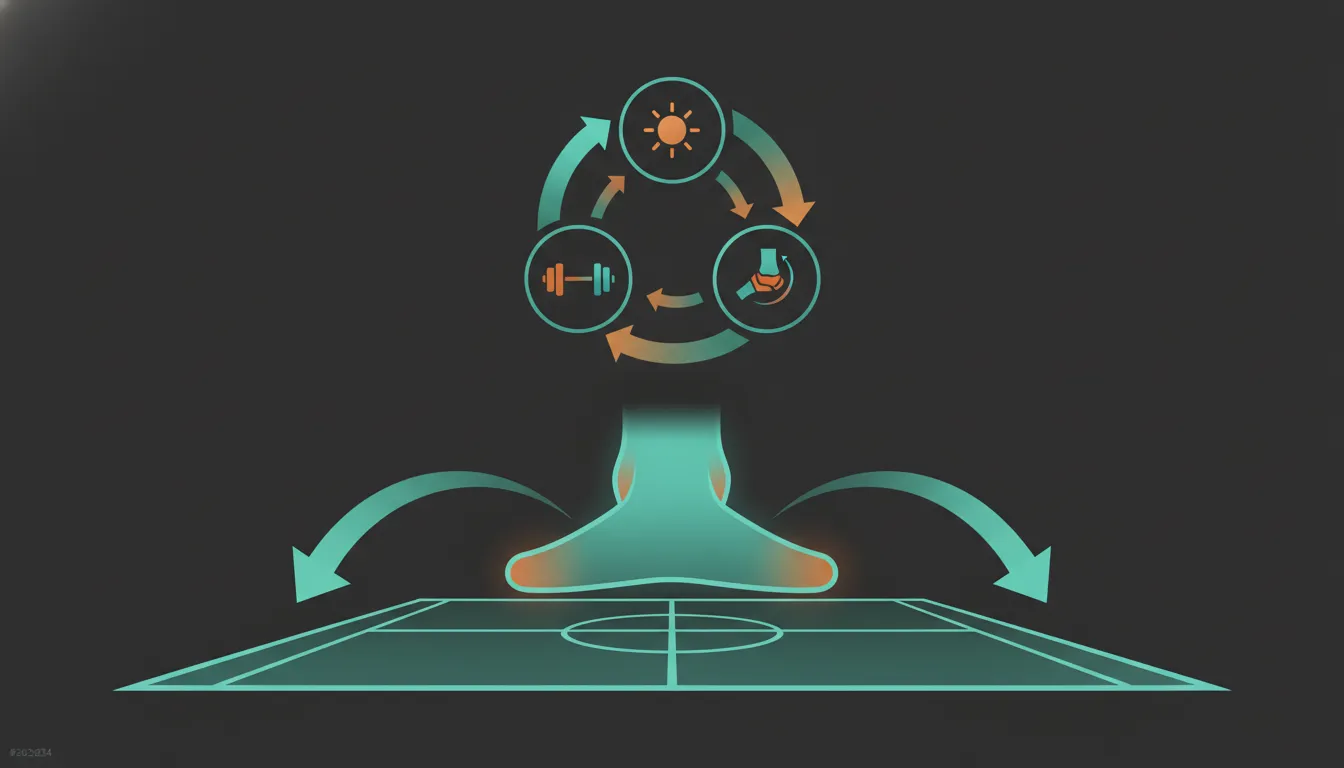
The platform is the area of the shoe beneath the foot, including the outsole and midsole structure; it is the base that receives load as you move. During a side-step, your foot loads that base as you push off, land, or redirect. A collar can wrap higher around the ankle, but it cannot make a narrow outsole wider—platform width still matters. Look at how the shoe sits beneath the forefoot and heel, and notice whether the edges feel close to the foot or extend beyond it.
Platform width by itself is not a verdict. A broad-looking base may still feel awkward if the upper lets the foot move around, and a visually modest base may feel controlled for a player whose foot is held securely. Check whether the platform feels consistent as you shift your weight from one side to the other. Pay particular attention to the forefoot, where many court movements involve a plant or push-off, and the heel, where a landing can feel unsettled if the fit or base does not suit you.
Also consider the midsole overhang—the visible extension of the midsole beyond the upper. It can affect the shape of the base, but a picture or measurement does not tell you by itself how the shoe will behave on court. Inspect the shoe from above and from the side, then try controlled movement in it. The meaningful test is the relationship among your foot, the upper, and the ground, not one isolated dimension.
When the foot shifts inside the shoe, the platform’s apparent stability may not translate into a confident feel. Check for toe room without letting the foot slide excessively, and make sure the heel stays seated during a gentle lateral shuffle. For more context on fit, our wide pickleball shoe sizing guide discusses width and fit considerations; use it as a fit resource, not as a medical assessment.
How should outsole grip and torsional feel be assessed?
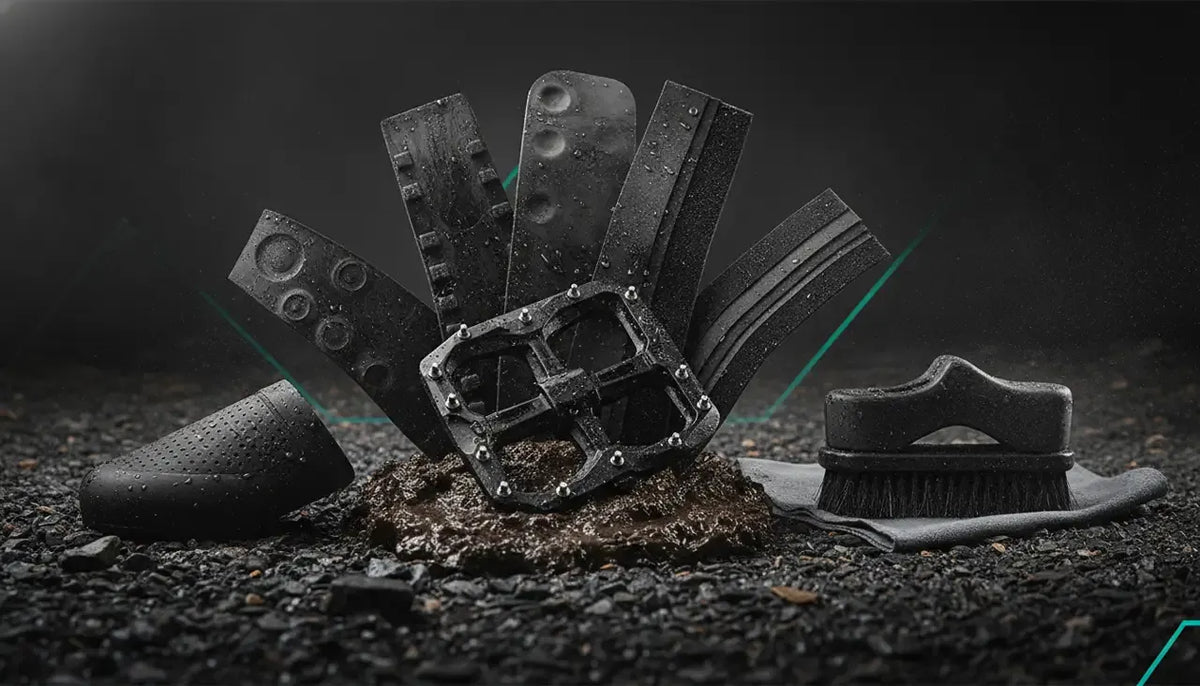
Outsole grip is the outsole’s interaction with the playing surface; it is not the same thing as lateral stability. A sole that feels secure under one condition may feel different on another court—dirt, moisture, wear, and surface texture can all affect contact. If possible, test the shoe on the surface where you play. Use deliberate, low-speed steps first, and notice whether the outsole feels planted, slides more than expected, or catches in a way that interrupts your movement.
Do not judge grip from a tread pattern alone. Look at the outsole material and the arrangement of contact areas, but treat those visual details as clues rather than proof of performance. A product details should identify the intended surface and any limits; if it does not, ask before assuming a shoe is suited to both indoor and outdoor courts. Our indoor-versus-outdoor court guide explains why surface choice belongs in the buying decision.
Torsional feel is how much the shoe twists along its length when you apply a gentle opposing force at the forefoot and heel. This simple hand check is only a rough comparison—not a lab test or a prediction of injury risk. If two shoes are available, compare them using similar pressure. One may feel more resistant to twisting, while another may bend more readily. Consider that sensation alongside comfort, forefoot flex, and how the shoe feels during a controlled change of direction; do not assume that the stiffest shoe is automatically the best choice.
Outsole contact, platform shape, and the connection between upper and sole all contribute to the overall impression. If you want more detail on how court shoes are designed for side-to-side movement, read our court shoe guide to lateral stability, fit, and support. Compare specific construction features, rather than relying on broad labels such as “supportive” or “high traction.”
How much weight is worth trading for structure?
Lower shoe mass can make a shoe feel less substantial on the foot, which some players prefer during repeated movement. But “lightweight” does not identify where material was removed or how the shoe is built—mass is a design tradeoff, not a complete performance measure. Two shoes of similar mass can distribute material differently, and the number on a scale cannot tell you whether the heel holds comfortably, the sole bends where you expect, or the upper remains comfortable through a session.
When comparing listed weights, check that the figures refer to the same shoe size and the same measurement method. If the information is missing, avoid treating small differences as meaningful. Try each shoe on both feet, walk, make controlled side-steps, and compare whether the shoe feels balanced and secure. Pay attention to whether a light shoe still feels adequately held around the heel and midfoot, and whether a more substantial shoe feels cumbersome to you.
Mass is a tradeoff, not a simple score. More material may add coverage or structure in some designs, but you should verify what a particular shoe actually contains; lighter construction does not automatically mean less stable, and heavier construction does not automatically mean more stable. If you need a comparison framework for other design choices, our lightweight court-shoe tradeoff guide looks at the broader balance between weight and construction.
Will a mid-cut collar feel hotter or less flexible?
More upper coverage can mean more material around the ankle, but warmth depends on the complete design—lining and upper materials, ventilation, fit, socks, pace, and playing conditions all matter. A mid-cut label does not specify breathability; inspect the materials and ventilation instead. Look for clear material information and consider whether the collar is lined or padded; if a product page does not explain these details, ask rather than inferring them from photographs.
Fit influences heat and comfort too—comfort can change as the session continues. A shoe that is too tight may feel uncomfortable as your foot warms, while a shoe that is too loose may create friction as your foot moves. Try the shoes with your usual court socks and allow enough toe room for comfortable movement, without leaving excess space that lets the foot travel inside the shoe. During a trial, notice whether the collar rubs or traps heat around the ankle, and whether that sensation changes when you move rather than stand still.
Ankle movement and flexibility are similarly specific. The collar may flex easily while the sole feels firm, or the upper may feel structured while the forefoot bends comfortably. Check these areas separately before deciding whether the whole shoe feels restrictive. Make several gentle knee bends, heel raises, and side-steps; stop if a movement causes discomfort, and do not force a range of motion just to test footwear.
How can you compare lightweight mid-cut court shoes for lateral stability?
Use the table as a shortlist tool, not as a ranking—it organizes the questions worth asking. These are design questions to ask about any pair, because product names and collar heights do not establish a particular shoe’s construction.
| Feature | What to inspect | What to test | Tradeoff to consider |
|---|---|---|---|
| Collar | Height, padding, opening shape, and contact around the ankle. | Flex your ankle and take controlled side-steps; note rubbing, pressure, or gaps. | More coverage can change feel and warmth, but does not make the sole wider. |
| Heel and lacing | Heel hold, lacing range, and whether the upper closes evenly. | Walk, stop, and shuffle gently; check for heel lift or foot movement inside the shoe. | A close hold is useful only if it remains comfortable; excessive tightening is not a fit solution. |
| Platform | Base shape beneath the forefoot and heel, including visible overhang. | Shift weight side to side and notice whether the shoe feels predictable. | A wider-looking base is only one factor; fit and upper hold matter too. |
| Outsole | Material and contact pattern, plus the surface named by the maker. | Try deliberate steps on your usual court when possible. | Grip depends on surface and conditions; a pattern alone cannot confirm it. |
| Torsional feel | How the shoe resists a gentle twist from forefoot to heel. | Compare pairs with similar hand pressure, then move in them. | More resistance is not automatically better for every player or movement preference. |
| Mass and ventilation | Comparable weight figures and available material or ventilation details. | Wear the shoe long enough to notice balance, warmth, and comfort. | Lightness, coverage, and heat are related design considerations, not a single score. |
What should you test before choosing a pair?
Compare shoes using the same sequence, and make notes while the impressions are fresh; consistency makes small differences easier to interpret. Test both feet, since a comfortable fit should not be judged from one shoe alone. If you are shopping online, review the sizing information and return terms before purchase; our frequently asked questions explain the information available from our team.
- Check the fit at rest: Stand naturally and check toe room, heel contact, and pressure across the midfoot. Confirm that the collar does not pinch or rub.
- Walk and bend: Take a few steps, bend the knees, and raise the heels. Notice whether the shoe flexes comfortably and stays aligned with your foot.
- Try a controlled lateral step: Step gently to each side and return to center. Look for unwanted sliding inside the shoe, an uncomfortable collar edge, or a platform sensation that makes you hesitate.
- Make a gradual stop: Increase movement only if the first steps are comfortable. Observe whether your heel stays seated and whether the shoe feels consistent as you decelerate.
- Repeat on the intended surface: Court texture and condition affect outsole feel. Avoid drawing conclusions from a different surface or from a dirty or wet test area.
- Recheck after several minutes: Warmth and pressure can change with wear. If a shoe becomes uncomfortable, do not assume that more break-in or tighter lacing will fix it.
These checks compare comfort and shoe feel—they do not diagnose a foot or ankle problem. A shoe cannot guarantee protection from a fall or injury; treat footwear as one part of a broader movement decision. If you have a persistent concern, ask an appropriately qualified health professional for individual advice rather than relying on a shoe feature or a product details; the American Academy of Orthopaedic Surgeons is a professional source for general orthopaedic health information.
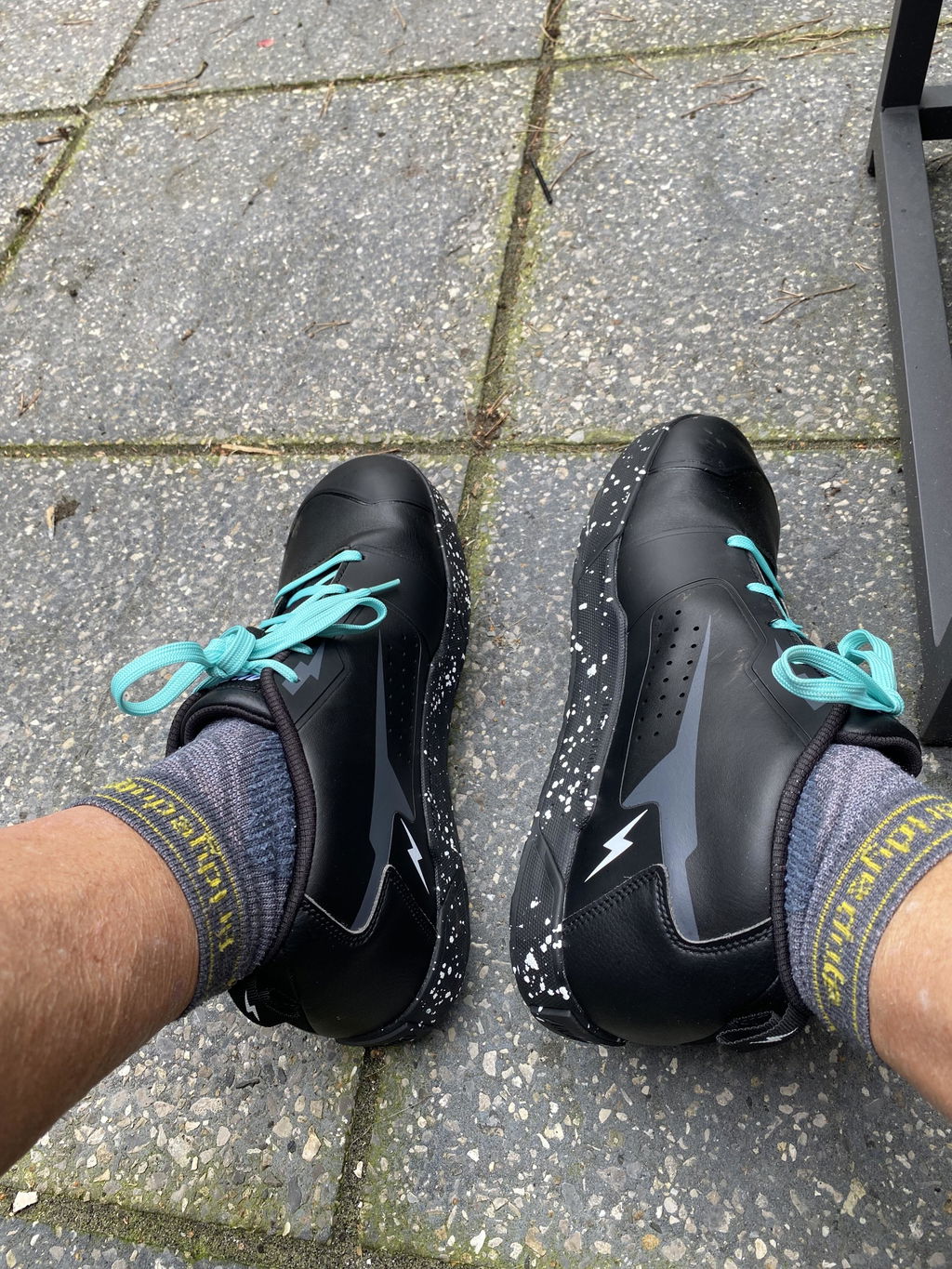
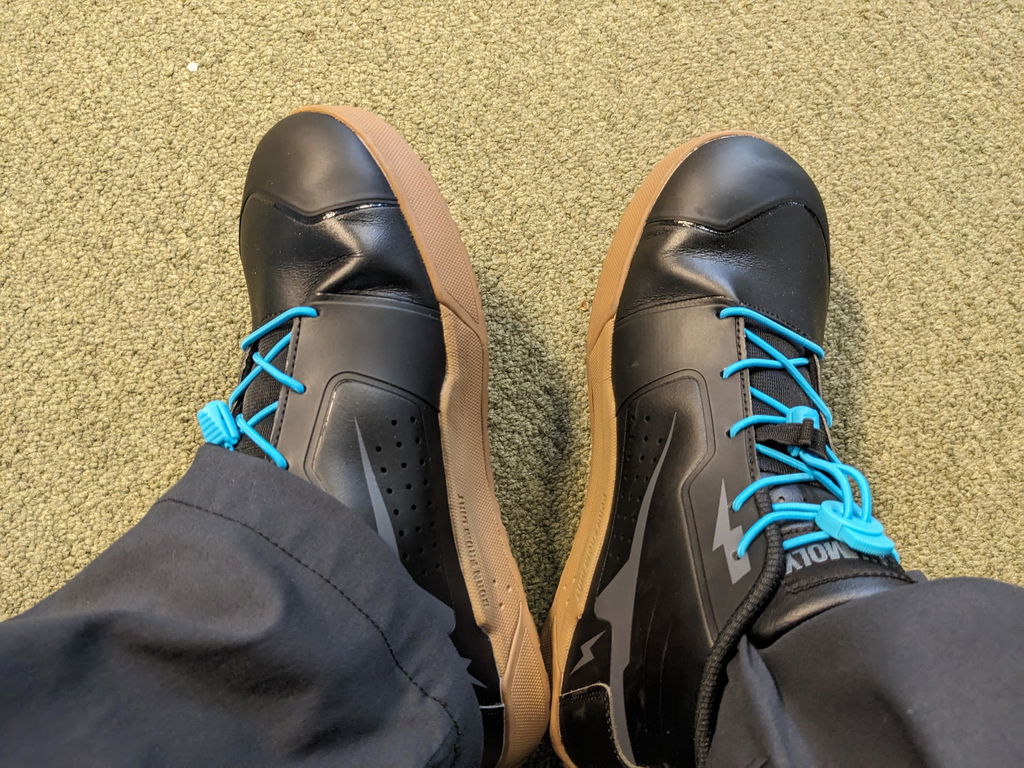
Our our Lateral Control Pro page is the place to review the current product information for our court shoe. Check the details shown there and contact us if you need clarification; do not infer an unlisted collar height, shoe weight, outsole compound, or construction specification.
Which tradeoffs should guide your decision?
Choose a mid-cut design only if the collar’s feel suits you; do not assume that height alone provides lateral stability. Give equal attention to a secure but comfortable fit, the platform beneath your foot, outsole feel on your court, and how the shoe responds to a controlled change of direction. Then decide how much weight, warmth, and ankle coverage you are willing to accept.
A practical shortlist can be simple: first remove pairs that press, rub, or let your foot move; next compare platform feel and outsole behavior on the surface you play; finally decide whether the collar and mass feel comfortable through repeated movement. If two pairs remain, favor the one that feels predictable and comfortable in your own test, rather than the one with the most dramatic details.
For more on the relationship between shoe fit and court movement, read our comparison of running shoes and pickleball shoes and our guide to shoe features for dynamic court movement. Both can help you frame what to look for, but the right choice still depends on the exact shoe, court, and fit.
Review our Lateral Control Pro court-shoe design
FAQ: Lightweight mid-cut court shoes for lateral stability
Does a mid-cut collar prevent ankle rolls?
No footwear feature should be treated as a guarantee against an ankle roll or injury. Collar height indicates coverage; assess the full shoe, your fit, and comfort, and seek qualified individual advice for health concerns.
Are mid-cut court shoes always heavier than low-cut shoes?
Not necessarily. A mid-cut shoe includes more upper coverage in that area, but total mass depends on its materials and construction. Compare weights only when the sizes and measurement methods match, then try each shoe rather than deciding from a number alone.
Can a lightweight shoe still feel stable?
Yes, weight alone does not determine how stable a shoe feels. Fit, heel hold, platform shape, outsole contact, and torsional feel all matter; check those features together through comfortable, controlled movement.
Should I prioritize grip or collar height?
Neither feature should stand in for the whole shoe. Match outsole behavior to your playing surface, check the fit and platform, and consider collar comfort as one part of your decision.
What if a mid-cut shoe rubs or feels restrictive?
Do not assume that rubbing will resolve or tighten the shoe further to compensate. Recheck size, socks, lacing, and collar contact; if discomfort continues, try a different shape or seek fit guidance.
Review our Lateral Control Pro court-shoe design
Ready to test your lateral stability setup?
Every pair of our Lateral Control Pro comes with free returns, free size exchanges, and a 30-day US return window: order your size, put them through their paces on the court, test the lateral chassis on hard cuts, and feel how the wide toe box relieves forefoot pressure. If the fit or feel is not right, use the documented return or exchange process within 30 days; review the current terms before ordering.
Test drive the Lateral Control Pro risk-free
Sources & Scientific Citations
- American Academy of Orthopaedic Surgeons (AAOS)—professional orthopaedic organization and general patient-education resource. This reference is provided for general musculoskeletal-health context; it does not substantiate a particular shoe feature or performance statement.
About the Author
The Anamoly Press Team brings you in-depth gear coverage rooted in real-world testing and engineering insight. Every article is reviewed by our Head of R&D to ensure the technical claims match the science behind our designs.

Leave a comment
This site is protected by hCaptcha and the hCaptcha Privacy Policy and Terms of Service apply.