
By Anamoly Press Team • July 1, 2026
💡 Technical Review & Accuracy Check by Christopher Armstrong, Founder & Head of R&D
Our team researches and writes the gear guides you love, but every scientific claim and compound specification is personally vetted by our lead engineer to ensure absolute accuracy.
Foot numbness on the trail stems from shoes that squeeze the forefoot. While many riders blame their pedals, the issue is usually a lack of width.
Wide mountain bike shoes provide the necessary surface area for riders to maintain lateral stability on flat pedals. When a shoe is too narrow, it forces the toes to bunch together. This reduces blood flow and leads to the painful numbness many riders feel after an hour of climbing. A proper wide fit allows for natural toe splay, giving your foot a stable platform to transfer power and manage trail feedback. This precise fit is a key part of the engineering behind our performance shoes, as it helps prevent hot spots and improves control. Instead of sizing up to find extra room, riders should look for footwear designed with a true wide toe box and a supportive sole. This ensures the foot stays secure without the restrictive pressure that causes fatigue on high-consequence terrain.
Knowing how your foot works with a flat pedal is the first step toward better results. To solve this, we must look at the forces at play during a ride. We will explore these details in The Biomechanics of Flat Pedal Riding: Why Width Matters. The path begins with
The Biomechanics of Flat Pedal Riding: Why Width Matters
Flat pedal mountain biking puts unique stress on your feet. Unlike clipped-in systems, flat pedals rely on a broad link for control and balance. Side foot firmness is a key factor in how well you can steer your bike through rough ground. When your footwear lacks the proper width, your foot can roll or shift over the pedal edges. This movement leads to wasted energy and poor bike feel.
Power Transfer and Firmness
Good work on the trail needs a solid base. High-power mountain bike shoes must focus on biomechanical stability to make sure that every watt you produce moves the bike forward. If your sole is too narrow, your foot cannot stay flat against the pedal surface during hard efforts. This lack of contact causes energy loss as your foot struggles to find a steady spot.
In cross-country and trail riding, the goal is to keep energy levels high. Research shows that footwear must limit energy loss while giving a very secure fit. A wide base helps you stay locked into the pins of your pedals. This design ensures that your feet remain steady even when the trail gets rough or tough.
The Problem with Toe Squeeze
Many standard shoes force your toes into a tight, narrow space. This squeeze does more than just hurt; it blocks blood flow to your toes. When blood cannot move freely, you may feel numbness or "hot spots" during long rides. Proper toe splay is vital for foot work and ease. Narrow soles often force the toes to bunch up, which ruins your foot's way to act as a firm platform.
The way your shoe closes also matters for your feel. Closure systems like laces and wraps impact foot ease and how your foot moves inside the shoe. For riders with broad feet, finding wide-fit MTB shoes is the only way to avoid these tough issues. A wider toe box allows your foot to expand in a plain way under pressure, keeping you at ease for hours.
Knee Health and Sole Width
Your shoe width also affects how your knees move. The width of your shoe sole has a direct link to knee joint loading in the frontal plane. When a sole is too narrow for your foot, it can cause your knee to track poorly. This poor line puts extra stress on the joint and can lead to long-term pain or harm. A wider sole provides a more steady track for your leg's power stroke.
Using a wide base helps line up your ankle, knee, and hip. This line reduces the risk of strain when you are riding over tough rocks and roots. Choosing the right width is a simple way to protect your joints and improve your ride feel. It ensures that your body works as one good system from the trail to the pedals.
Comparing Wide Mountain Bike Shoes: Standard Fit vs. True Wide Fit
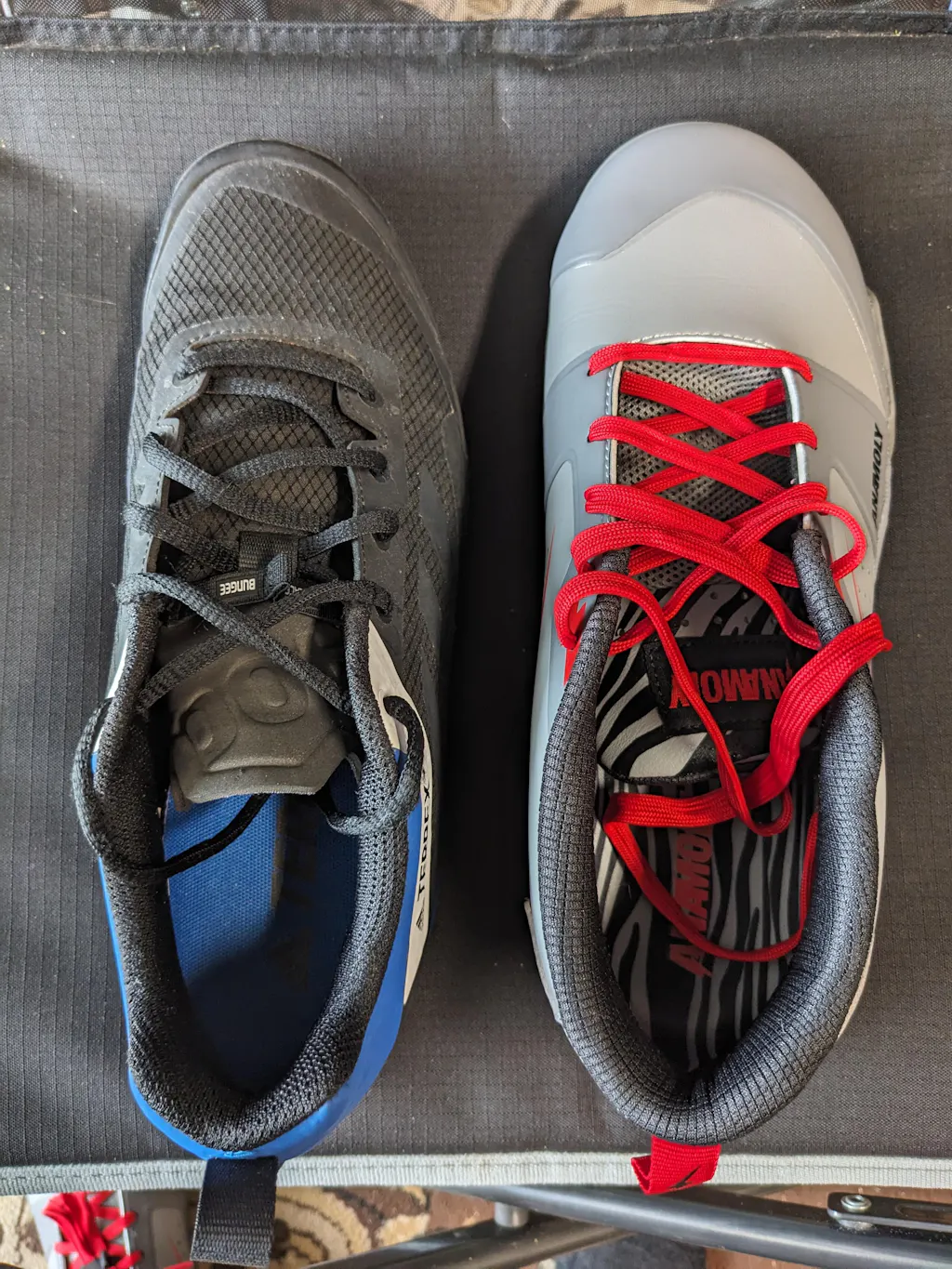
Most bike brands make wide shoes by adding more fabric to the top of the shoe. This gives your foot more room to move up and down, but it does not change the base. A shoe with a narrow base cannot give a wide foot the support it needs on the trail. True wide mountain bike shoes must have a wider sole to match the width of the human foot.
The problem with high volume fit
Many brands offer a "wide" model that uses the same narrow sole as their standard shoe. For example, some Shimano wide-fit shoes use a standard base with a larger top. This "high volume" fit may feel less tight at first, but it lacks a stable base. Without a wide base, your foot may spill over the edges of the sole. This leads to hotspots and foot pain during long rides.
Stability through wider soles
A few road and trail brands have started to widen the shoe base. For instance, Specialized added a few millimeters to the sole width of their Torch shoes to help wide-footed riders. A wider sole is vital because it changes how your body moves. Research shows that sole width can impact how much load your knee joints must carry while you pedal. A wider base helps your foot stay flat and stable on the pedal.
| Feature. | Standard Wide Fit. | True Wide Fit (Pin-Lock). |
|---|---|---|
| Sole Width. | Standard narrow base. | Wide anatomic base. |
| Top Volume. | Extra fabric only. | Fits the base well. |
| Toe Splay. | Often cramped. | Full natural splay. |
| Stability. | Lower on tech trails. | High side support. |
| Custom Fit. | Fixed factory size. | Heat-stretched in shop. |
Engineering for better pedal contact
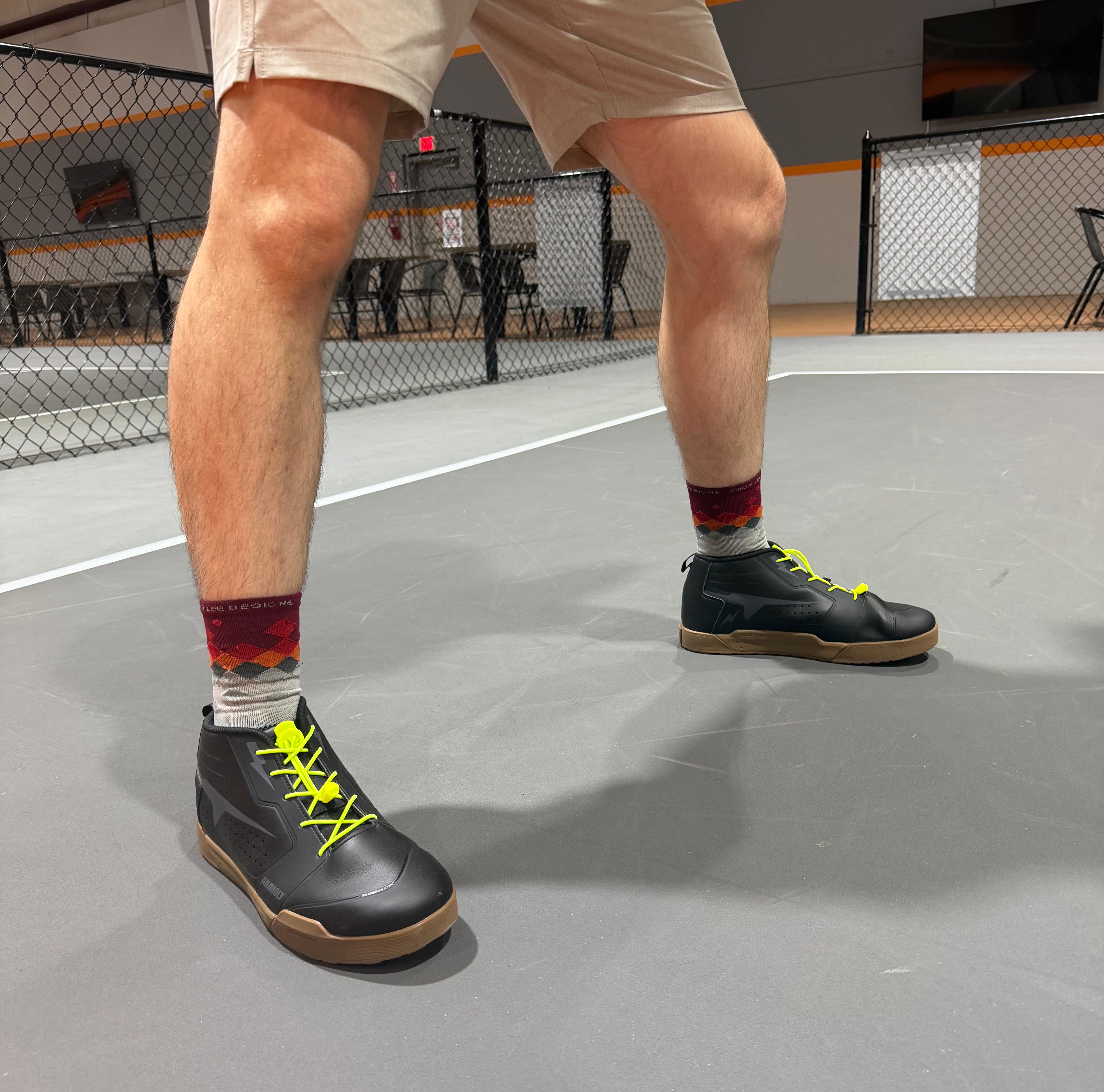
When you ride flat pedals, you need a wide contact patch to keep control. Standard shoes often force your toes to bunch together, which reduces your balance. Our wide-fit MTB shoe uses a custom base that lets your toes spread naturally. This design gives you better power and more grip on the pins. You can learn more about the engineering behind our performance shoes on our tech page.
By using a wider sole, we also improve your comfort on the bike. A true wide fit helps prevent the numbness that comes from squeezing your foot into a narrow shell. Our shoes are built to handle the technical needs of mountain bikers who need both space and stability to ride their best.
How Pin-Lock MTB Shoe 2.0 Engineering Solves the Wide Toe Box Dilemma
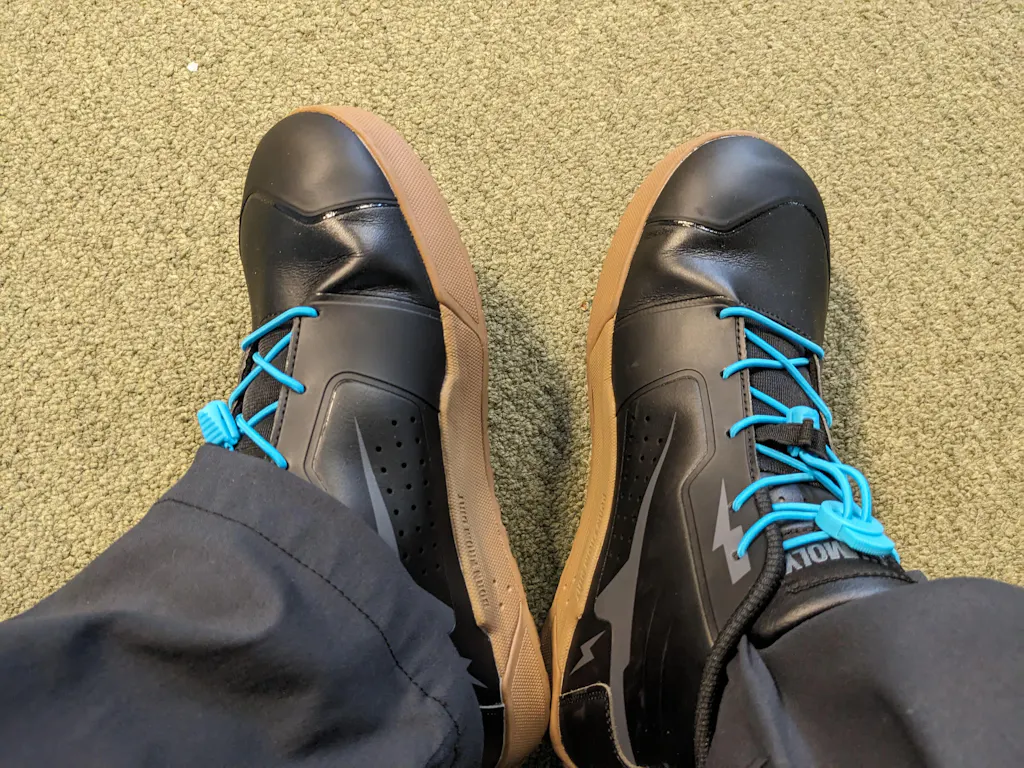
Most riders with wide feet face a tough choice. They can wear tight shoes that cause pain or buy a larger size that does not fit right. The Pin-Lock MTB Shoe 2.0 solves this problem with real shop work. We do not just make a bigger shoe. We use heat to stretch the toe box in our Austin, TX shop. This gives you a true US 1.5E fit that matches your foot shape. A proper wide-fit MTB shoe ensures your toes have room to move. This room helps you avoid the hot spots and numbness that ruin long rides.
Custom heat widening in Austin
Our team treats every shoe like a piece of gear. When you order the 2.0 fit, we start a deep shop process. We use heat tools to widen the front of the shoe by hand. This service is a core part of the engineering behind our performance shoes. It fixes the narrow fit found in most flat pedal gear. By stretching the stuff, we give you the space you need. The shoe stays tight in the heel so your foot does not slip. This custom work means you get a fit that was built just for your foot. It helps you stay balanced on the trail and push hard on the pedals.
Advanced rubber for wet weather
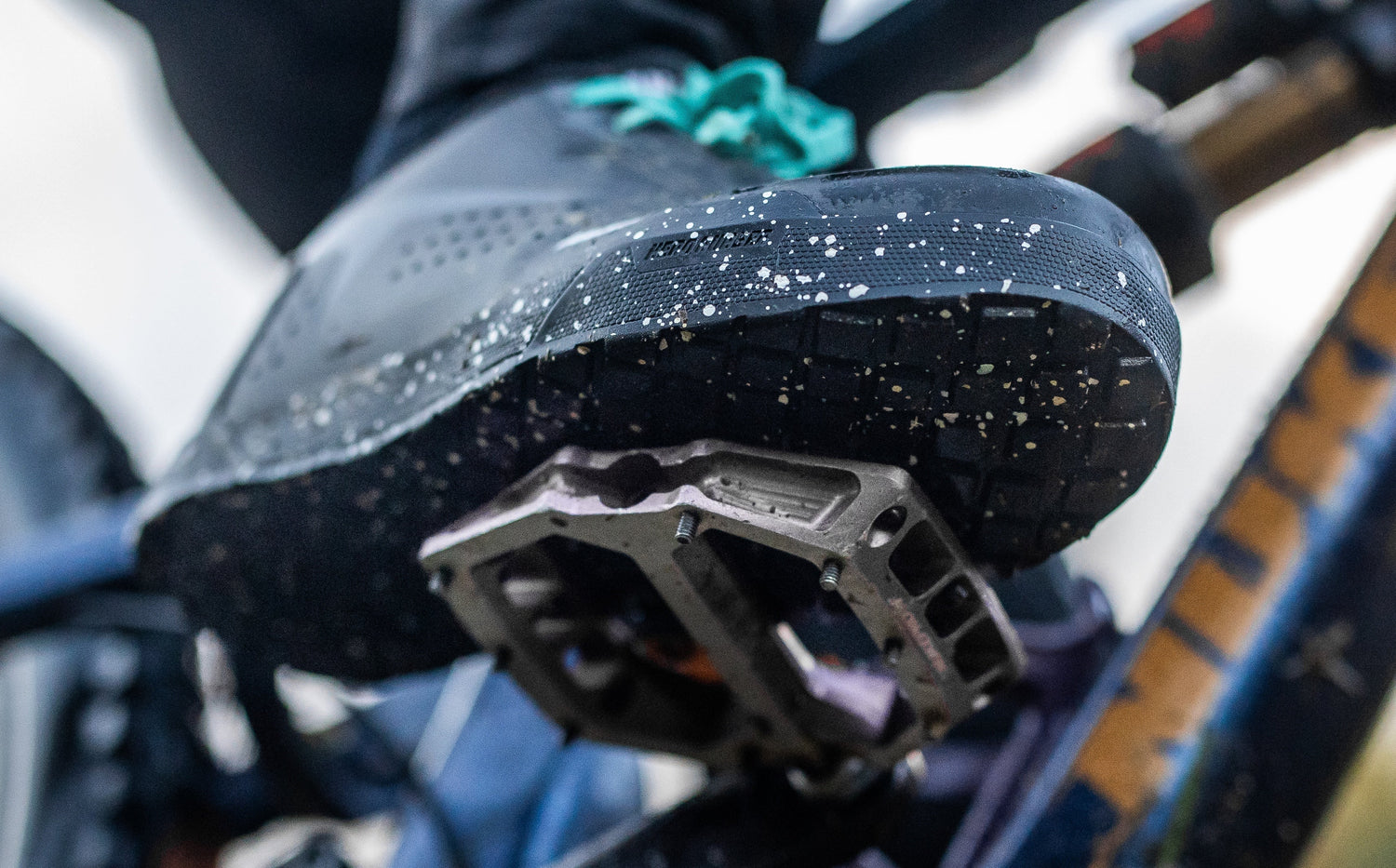
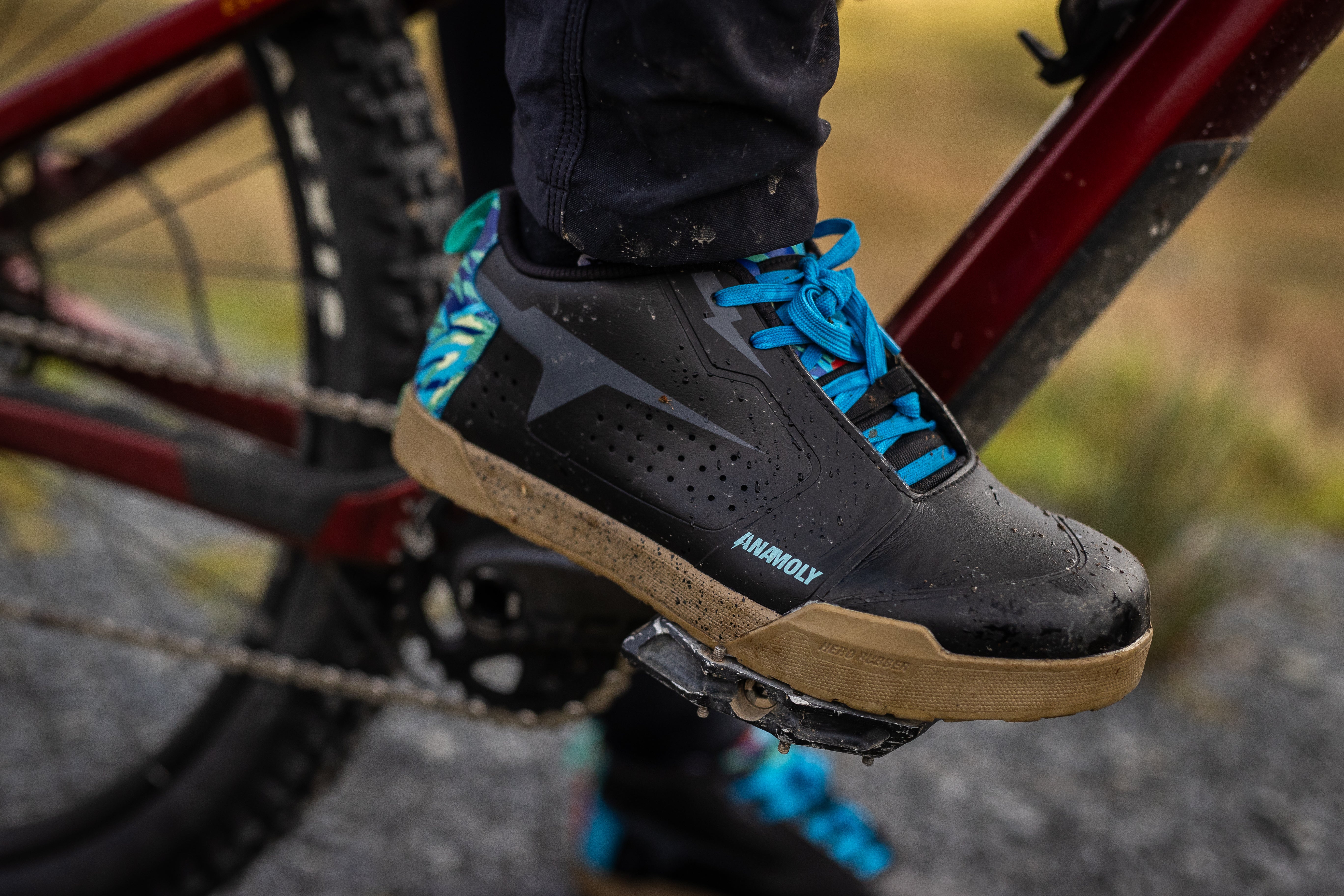
Grip is as vital as fit when you are on the trail. We use Hero Rubber to keep your feet glued to your pedals. This high-grip stuff has a special trick. It actually becomes stickier when the ground is wet. This helps you stay safe in sketchy spots or rainy weather. You get the best traction when the trail is at its worst. Our focus on pro work ensures the rubber lasts for many hard rides. You can ride with trust even when the ground gets muddy or slick. This grip helps you control the bike when the path gets steep or rocky.
Better balance and joint health
A good fit does more than just stop foot pain. It keeps your whole body safe and ready to ride. When your foot is too tight, you lose side balance. This makes it hard to move power to the pedals. It can also lead to bad foot health over time. New studies show that shoe width can change knee joint loading while you ride. A wide toe box lets your foot stay flat and strong. This keeps your knees in a safe line. You get more power on the climbs and less risk of injury on the way down.
Good fit is key for power and control. Without enough room, your feet may cramp or lose feel. The 2.0 fit solves these issues. We use our shop tools to make sure the shoe fits right from day one. You do not have to wait for the shoes to break in. They come ready for the trail. This focus on fit is why we do our work in the Texas shop. We want every rider to have the best gear for their feet.
Step-by-Step Guide to Verifying Your Wide MTB Shoe Fit
Getting the right fit in your wide mountain bike shoes is not just about comfort. It is about how you move on the trail. A bad fit can lead to foot pain, hot spots, or a loss of feeling in your toes. When your feet are stable, you can push harder on the pedals. This engineering behind our performance shoes focuses on how fit affects side-to-side balance and energy flow. Using the right wide-fit shoe helps you stay in control during tough rides.
Check for natural toe splay
The most common sign of a narrow shoe is toe crowding. In a good wide-fit shoe, your toes should be able to spread out with ease. This spread helps with balance and stops your feet from having numb spots. If your toes feel squeezed together, the shoe is too narrow for your foot shape. You should have enough space to wiggle your toes without them hitting the front or sides of the toe box.
Test foot stability and support
Proper fit is key to stop knee stress and keep your joints healthy. Research shows that shoe width changes knee joint loading in riders. To test this, stand in the shoes and put your full weight on one foot. Your foot will spread out when it takes your weight. If the sole is too narrow, your foot will spill over the edges. This causes lost power and makes you less stable on the pedals.
- Check toe box width. Put the shoes on and stand up. Your toes should not touch the sides of the shoe. There should be a small gap at the tip. If you feel pressure on the outer edge of your foot, the shoe is too tight.
- Check heel cup grip. Walk around and try to lift your heel. The back of the shoe should hold your heel firmly. It should not slip up and down. A good heel lock keeps your foot in place during steep climbs.
- Test midfoot support. Tighten the straps or laces. The shoe should feel snug but not tight. You should feel support through the arch without any pinching. This helps with power and stops your foot from sliding forward.
- Test fit under load. Stand on your pedals or a flat surface. Lean side to side to check for foot roll. The shoe should keep your foot centered over the sole. This side-to-side grip is key for technical trail work.
Final fit adjustments
Once you check these steps, you can fine-tune the feel. Your feet may swell during long, hot rides, so leave a little room for growth. If you still have questions about your size, you can find more sizing and fit guidance on our help page. A true technical fit makes sure your shoes work as one with your bike.
Flat Pedal MTB Shoe Sizing Challenges and Workarounds
Many riders find standard flat pedal shoes too narrow for their feet. This leads to common sizing challenges that can ruin a ride. When a shoe is too tight, it squeezes the foot bones together. This pressure often causes foot numbness and hot spots on the trail. A wide-fit MTB shoe is often the only way to get enough room for natural toe splay.
The problem with sizing up
Riders often try to fix fit issues by buying a shoe that is a half size larger. This is a common workaround for riders who cannot find wide mountain bike shoes with enough toe room. While this gives the foot more width, it creates new mechanical problems. Sizing up makes the shoe longer than it needs to be for your foot length. This extra length moves the ball of your foot away from its best spot on the pedal.
Pedal pin and spindle alignment
Flat pedal riding relies on precise foot placement. For the best grip, the ball of your foot should sit directly over the pedal spindle. When you size up, your foot sits too far back in the shoe. This misalignment means your foot does not line up with the pedal pins correctly. Poor foot position can cause your foot to slip in rough sections. Proper fit is essential for lateral stability and power transfer while you ride.
Biomechanical energy loss
A shoe that is too long also allows your foot to slide forward and back inside the shoe. This movement wastes energy and can lead to blisters. Research shows that shoe sole width directly affects how your knees move and load during activity. A shoe that fits the width of your foot without adding length keeps your joints in a safer path. True wide shoes offer the best way to stay stable on technical terrain.
Frequently Asked Questions
Do bike shoes come in wide width?
Yes, many brands offer wide-fit options for mountain biking. Some firms use a wider sole to provide more room. Others simply add more material to the top part of the shoe. It is vital to find a pair that lets your toes spread out. This helps with balance and prevents pain. As shown by Shimano, wide-fit ranges are ready for mountain and road bikes to help riders find a better fit.
What mountain bike shoes are good for wide feet?
Riders with wide feet should look for shoes with a broad toe box. Brands like Shimano and Specialized sell specific wide models. For flat pedal riders, the Pin-Lock MTB Shoe 2.0 is a strong choice. It uses a unique shape to give your feet more space. As shown by Anamoly Labs, a proper fit is vital for side-to-side balance and power. These shoes help you stay steady on the pedals without squishing your feet.
Are there good wide-toe-box options for flat pedal MTB shoes?
Many flat pedal shoes feel too narrow for the average rider. Most big brands focus on a slim fit that can lead to foot pain. True wide-toe-box options for flat pedals are rare. Some riders try to size up by a half-step to get more room. However, bikepacking.com notes that this is often a poor fix. A better choice is a shoe built with a wider sole for better pedal grip and comfort.
How can I make my mountain bike shoes wider?
If your shoes feel tight, you might be able to stretch them. Some shops offer a service to heat and widen the toe area. This can give you a custom fit without buying new gear. For example, the Pin-Lock MTB Shoe 2.0 can be heat-stretched in the shop to reach a US 1.5E width. This process helps solve the wide-toe-box problem by shaping the shoe to your foot for a better ride.
Ready to find the right grip and gain steady feet on the trail?
Riding in narrow shoes leads to painful hot spots and numbness that will end your trail sessions early and keep you off your bike. By switching to a wide sole today, you protect your feet from lasting harm and gain the grip you need for every rocky trail climb. You also avoid the risk of foot damage that comes from poor blood flow when you stay in the wrong shoe fit for too long.
Ready to explore the wide-fit options and customize your Pin-Lock MTB Shoe fit? Email support@anamolylabs.com to book your shoe setup today and start riding with better comfort, better control, and trail safety.
About the Author
The Anamoly Press Team combines expertise in athletic footwear engineering, materials science, and trail sports performance. Every gear guide is reviewed by Christopher Armstrong, Founder and Head of R&D at Anamoly Labs, whose 15-plus years in protective gear and footwear development ensure technical accuracy in every article.

Leave a comment
This site is protected by hCaptcha and the hCaptcha Privacy Policy and Terms of Service apply.