

By Anamoly Press Team • October 23, 2026
💡 Technical Review & Accuracy Check by Christopher Armstrong, Founder & Head of R&D
Our team researches and writes the gear guides you love, but every scientific claim and compound specification is personally vetted by our lead engineer to ensure absolute accuracy.
📌 Short Answer
Choose court shoes by platform width, lateral structure, heel retention, outsole behavior, and fit; a sale label does not prove performance. Our Lateral Control Pro uses a low, wide platform, Lateral Stability Outrigger, raised collar, adjustable Lock Laces, and non-marking Hero Rubber™ outsole. These are design features for stopping, starting, and cutting, not promises of injury prevention.
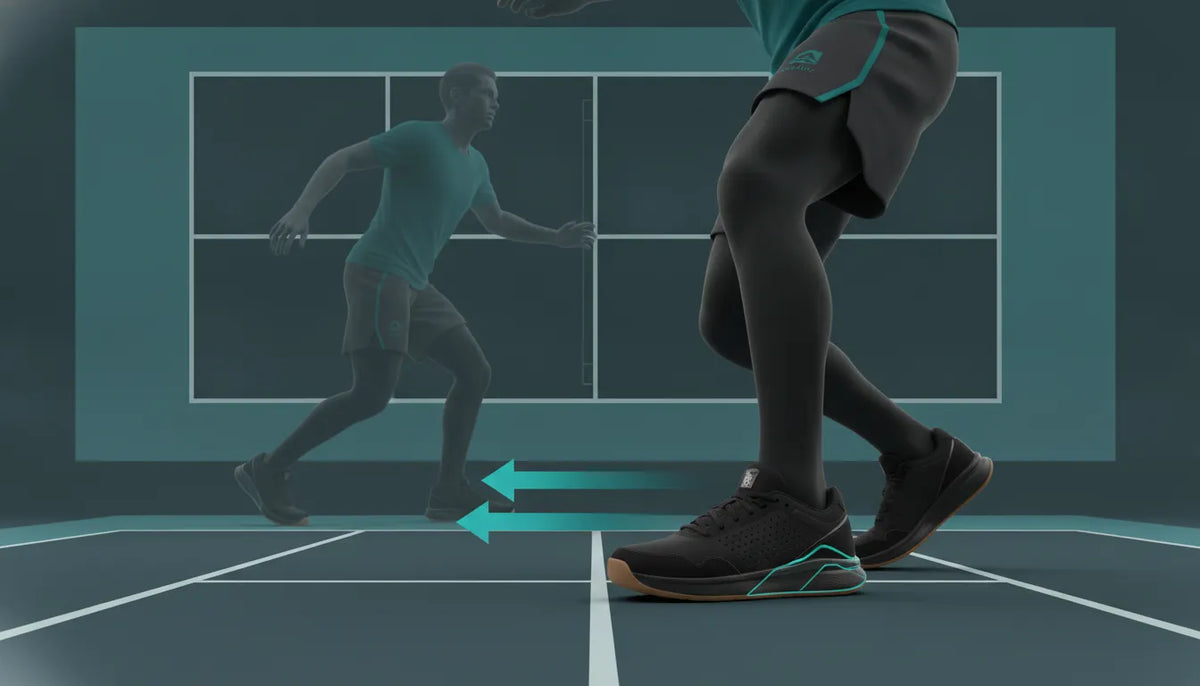
If you are comparing sale listings for pickleball shoes built for quick lateral movements, start with the shoe's movement system rather than the discount label. Every hard plant, recovery step, and sudden cut shifts load across the platform, upper, heel, and outsole; a running shoe is not designed around that pattern. A sports-medicine review therefore favors court or cross-training shoes for pickleball's rapid side-to-side movement, while Duke Orthopaedics notes that court shoes provide more lateral support than running shoes.
Test drive the Lateral Control Pro risk-free
The useful question is not whether a shoe feels stable in a checkout line; it is whether the shoe keeps your foot connected to the court as direction changes accelerate, beginning with the court-specific mechanics behind quick lateral movement.
Why Quick Lateral Movement Requires Court-Specific Footwear
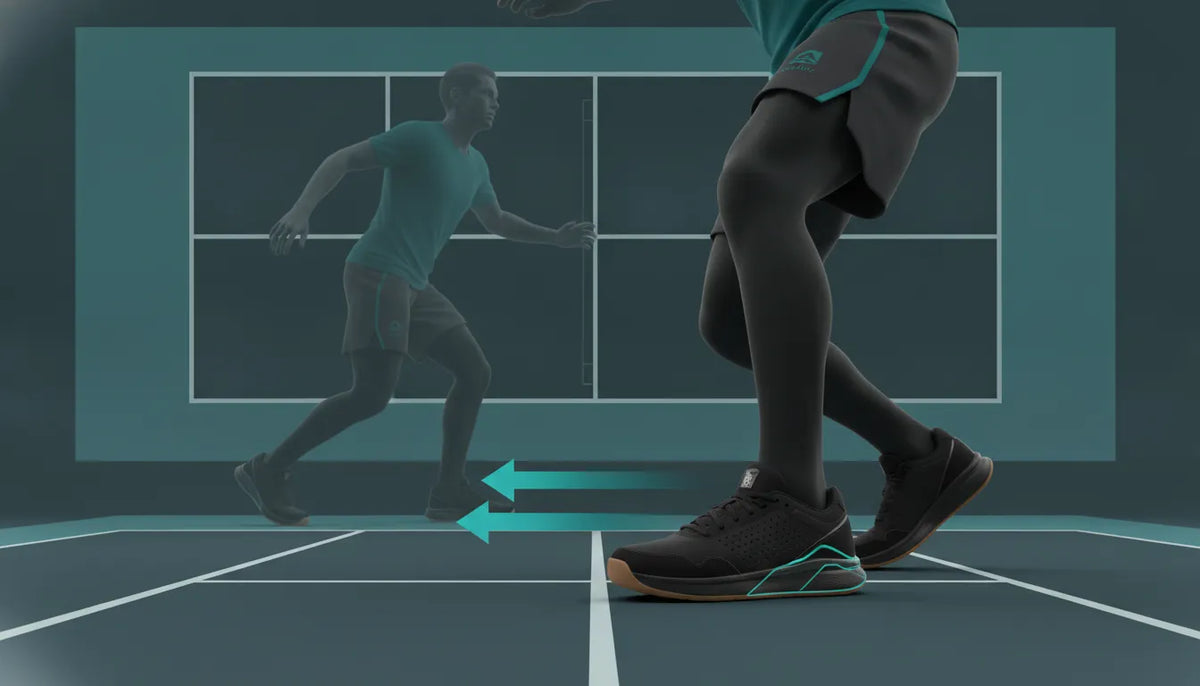
Pickleball asks the shoe to do more than absorb forward motion: a point can move from a split step to a hard lateral push, then into a sudden stop, recovery, or diagonal cut. Those transitions load the shoe sideways, so the platform, upper, and outsole must help keep the foot connected to the base while the player changes direction.
That is the first checkpoint in a sale-listing evaluation: identify the movement the shoe is built to support before looking at the word sale. Court or cross-training shoes are preferred to running shoes when rapid side-to-side movement demands lateral stability, according to a sports-medicine review; the review explains why, noting that running shoes are generally designed around forward travel while court footwear is shaped for multidirectional play. Duke Orthopaedics makes the same practical distinction, noting that court shoes provide extra support for lateral movement compared with running shoes.
This does not mean every running shoe is unsuitable for every recreational session, or that a court shoe guarantees safety; it means the construction should match the task. For quick cuts, inspect whether the listing explains a stable base, lateral structure, secure upper, and outsole intended for the court surface: a soft, highly rockered running platform may feel comfortable during a straight-line jog yet offer less useful resistance when the foot moves across the shoe during a plant.
Stopping and starting also make traction part of the movement system; court-footwear guidance supports choosing shoes designed for tennis or pickleball when the game demands repeated stopping, starting, and cutting. That recommendation supports a design-screening principle, not a medical promise: court-specific features can be relevant to movement control, but outcomes depend on the player, fit, surface, and technique.
Use this distinction to read product pages critically: “court shoe” is a starting label, not proof of performance, so look for evidence in the platform geometry, sidewall behavior, fit information, and outsole details covered in the next checks.
What Platform Width and Lateral Outriggers Actually Do
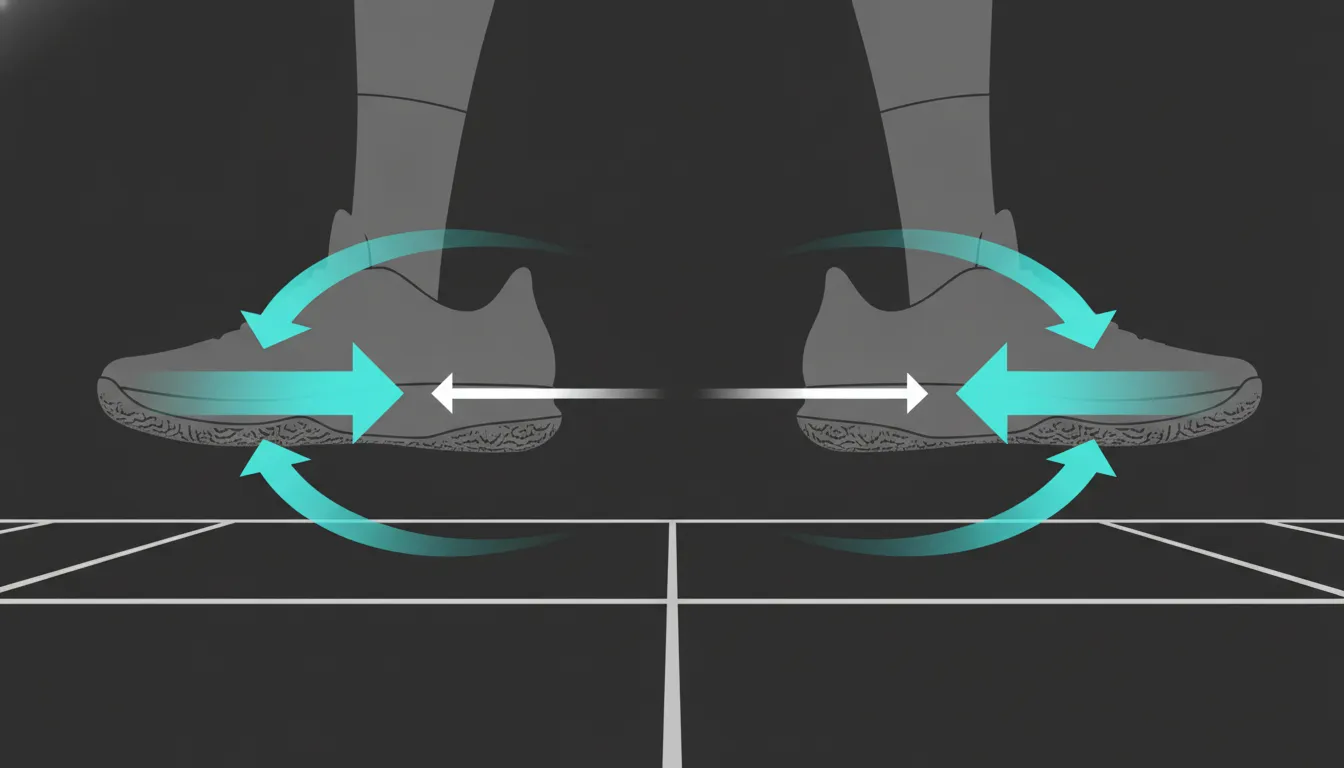
Platform width changes the relationship between your foot and the court: a low, wide base can give the foot more room to stay centered as you plant and redirect, while giving the sidewall and outsole a broader area to manage load. Maximum width is not correct for every player; if the platform extends well beyond your foot, it can feel disconnected rather than controlled. Width should match your foot shape and the way the shoe holds it.
The sidewall is part of that equation; during a hard lateral plant, the upper and sole work together, and excessive sidewall deformation can let the foot move over the edge of the base before the shoe changes direction. A useful inspection is simple: stand in the shoe, lean into a controlled side plant, and notice whether the foot remains supported without pressure points.
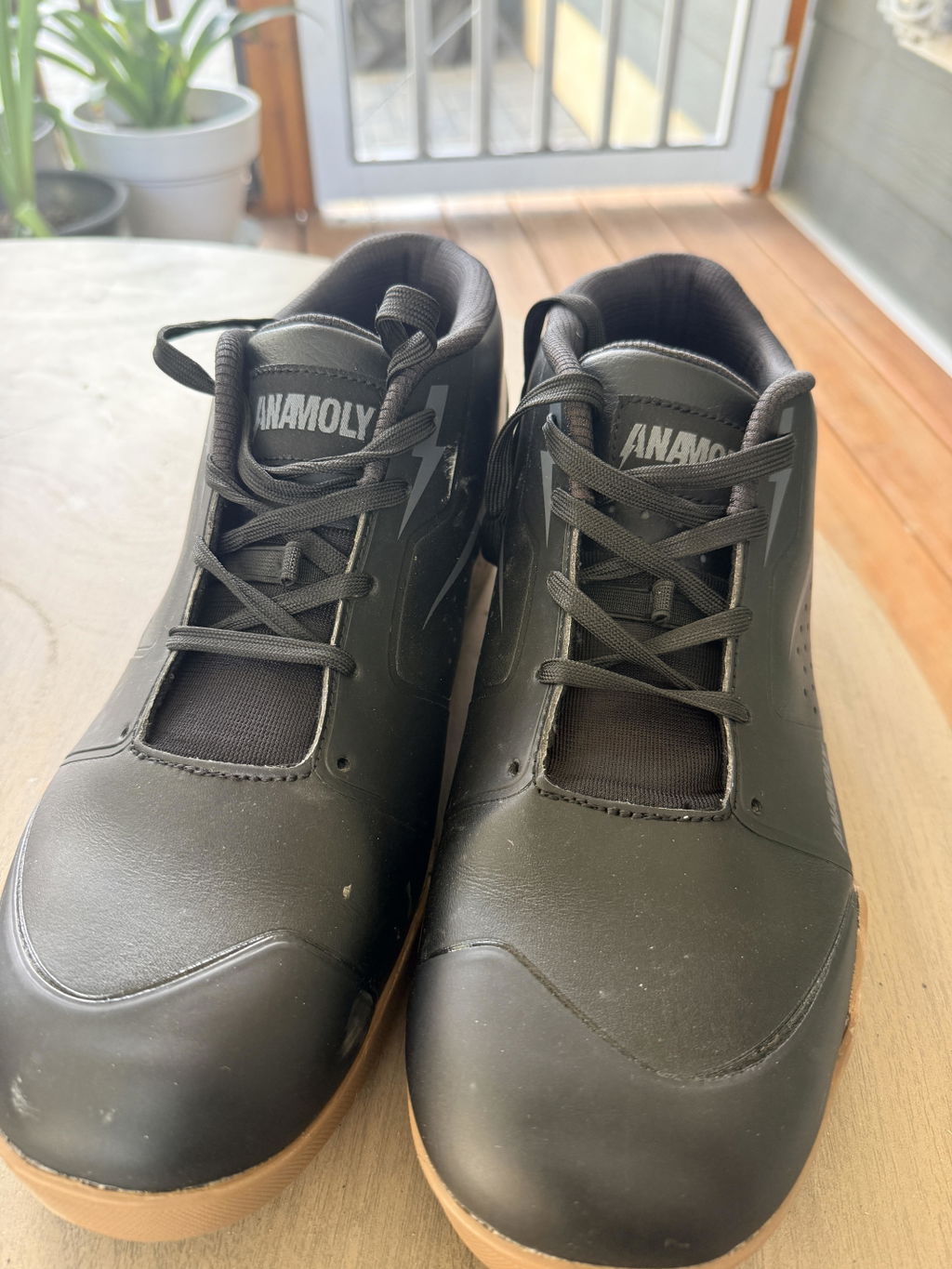
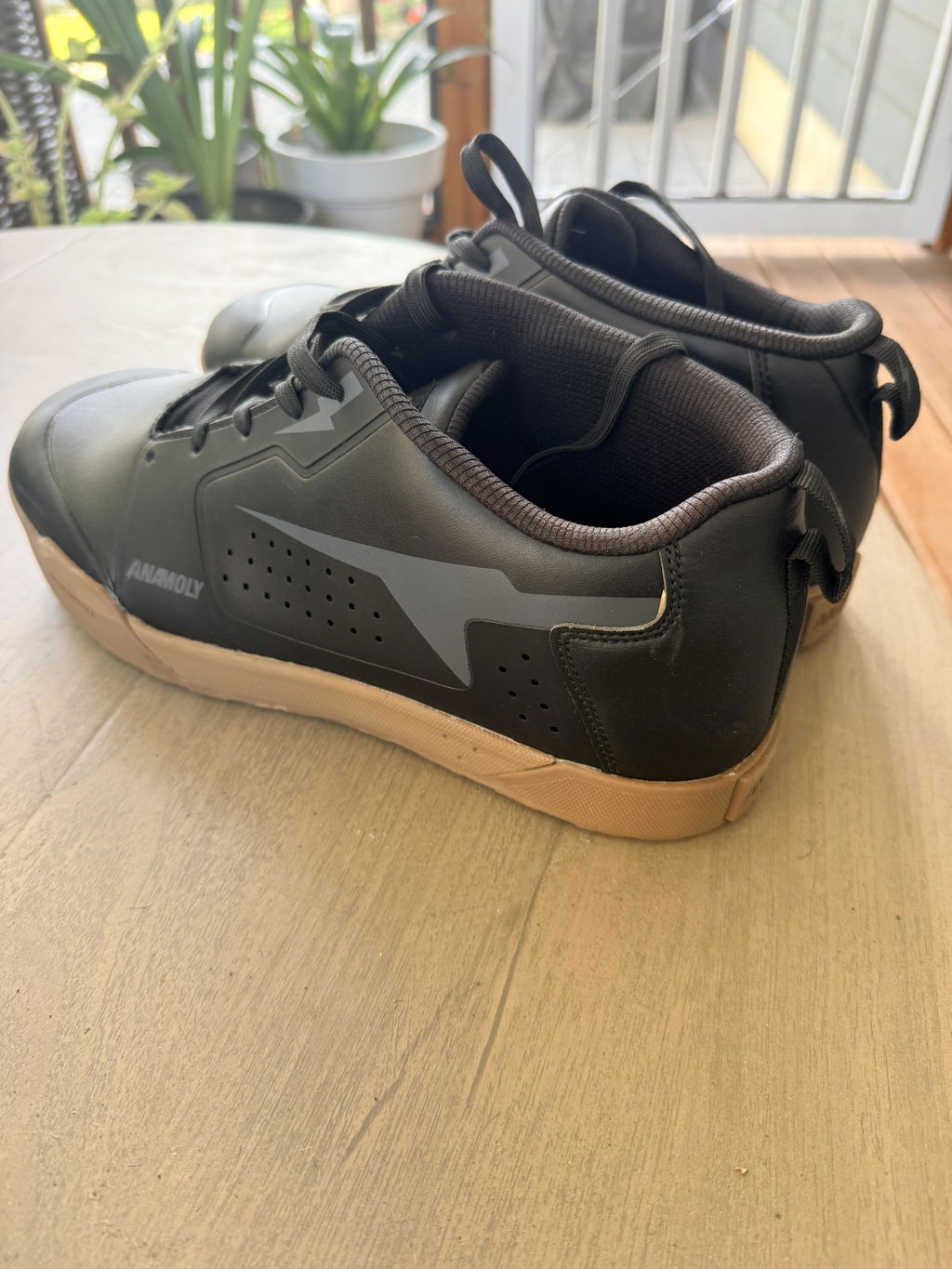
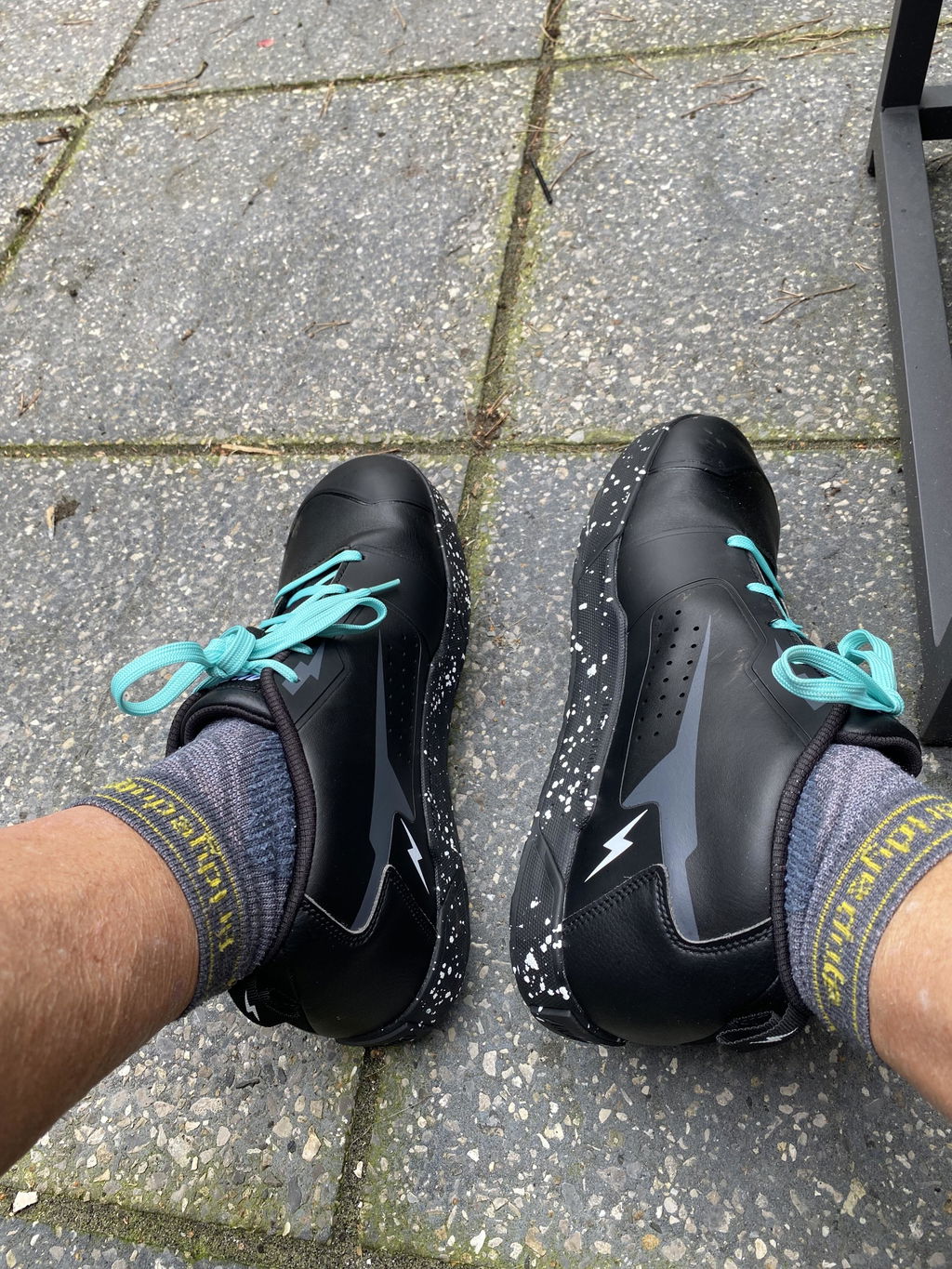
Our Lateral Control Pro applies this idea through the Trail Tech Stability Chassis, which our product page explains as keeping the foot centered over a low, wide platform. Its Lateral Stability Outrigger, or LSO, extends and rises 4-6 mm along the shoe’s outer edge; our product page explains that the physical extension creates a barrier against rotational tip-over during hard cuts and plants. It is not a promise of injury prevention, and the feel still depends on fit, movement, and court surface.
Think of the LSO as an added edge to the base of support, not a substitute for a secure shoe. A player with a broader foot may appreciate the extra room and stable perimeter, while another player may prefer a narrower, more closely matched platform; when comparing pickleball shoes for quick lateral movements, inspect the platform, sidewall behavior, and fit together instead of treating width as an isolated advantage.
View our Lateral Control Pro platform and LSO specification.
How Heel Retention Keeps a Cut Connected to the Shoe
A lateral plant is only as controlled as the connection between your foot and the shoe; if the heel lifts or the midfoot slides, the upper has to catch up as your body changes direction. That movement can increase rubbing and make the shoe feel disconnected from the platform. A sports-medicine review recommends proper fit to limit foot sliding and excess friction, with the goal of a secure hold without pressure points.
What heel lock changes
Heel retention comes from several parts working together: a shaped heel counter resists unwanted movement at the rear of the shoe, while a raised collar can help center the ankle over the base. A PubMed-indexed cutting study found that collar height and upper design changed measured inversion mechanics, but it did not establish an injury-prevention guarantee or prove that one collar works for every player. Treat those findings as design context, not a promise of safer play.
Lacing controls how firmly the upper follows the foot. Our Lateral Control Pro uses Lock Laces, which let players set tension, slide into the shoe, and cinch the fit consistently; our product page also lists a raised medial and lateral collar intended to help keep the ankle centered over the base. Those features matter most when the heel stays seated without forcing the forefoot into a narrow, uncomfortable position.
Check the connection before a hard cut
Wear the socks you use for play, tighten the shoe, and perform a controlled lateral plant or shallow lunge; your heel should remain down while the sidewall follows the foot rather than collapsing outward. Look for a smooth return to center, no visible heel lift, and no pinching across the instep. Repeat the test in both directions, because asymmetry can reveal a fit issue that a straight-line walk misses.
These checks assess connection and comfort, not medical protection. Shoe sole and upper design can influence lateral stability during sideward cutting, but fit remains individual.
How to Read Outsole Grip Across Indoor and Outdoor Courts
Outsole grip is not just a question of how sticky a rubber compound feels in your hand. Read the compound, tread geometry, dust behavior, and marking characteristics together; then match them to the court surface where you actually play. A shoe that grips clean indoor wood may behave differently on dusty outdoor acrylic, while an outsole designed for outdoor abrasion can feel unnecessarily firm indoors.
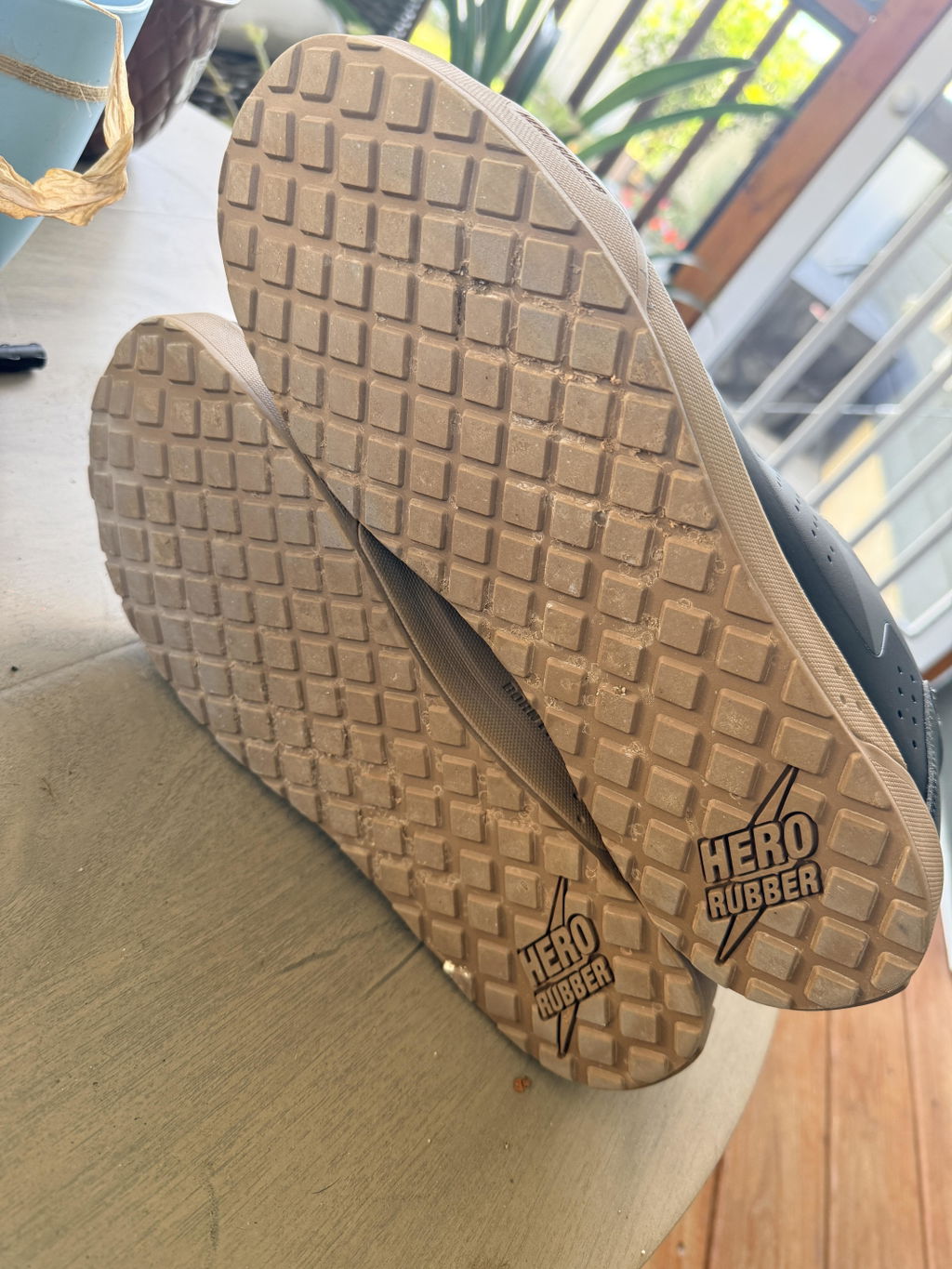
Our Lateral Control Pro uses a non-marking Hero Rubber™ MTB-G compound, and our product page lists it for quick stops and starts. Its Trail-Inspired Diamond Grid includes Y-Sipe micro-channels; our product page explains that they help shed dust on hard outdoor courts and create micro-mechanical traction on indoor wood and laminate floors. These are design details, not a guarantee that every player will experience identical traction on every court, so inspect the tread and test the fit under your normal conditions.
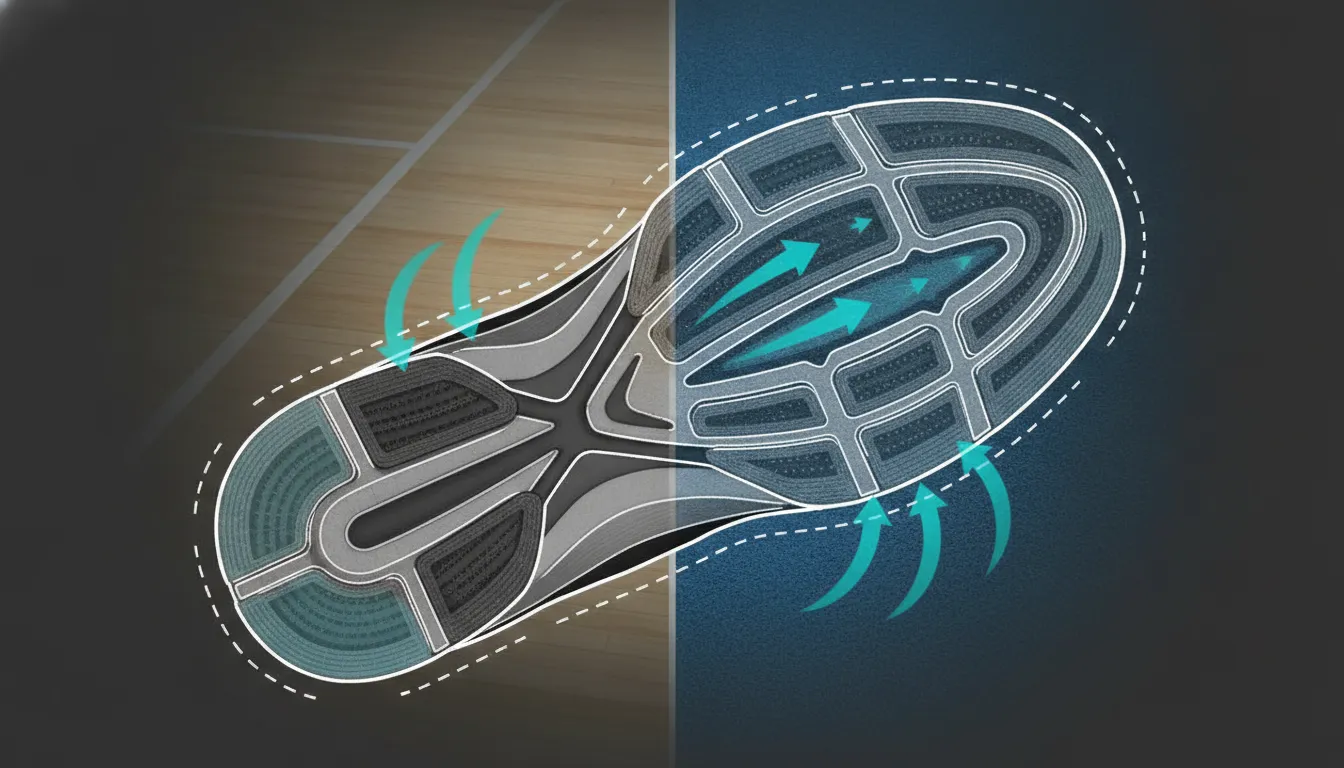
Use this checklist when comparing pickleball outsole grip by surface and reviewing a sale listing. The word sale alone does not tell you whether the compound suits your court.
| Surface | Inspect for | Why it matters |
|---|---|---|
| Indoor hard court | Non-marking rubber, multidirectional tread, clean contact edges, dust management | Wood and laminate need controlled grip without streaking; fine channels can help maintain contact as dust collects. |
| Outdoor hard court | Durable compound, dust-shedding channels, visible tread depth, secure sidewall construction | Acrylic surfaces introduce dust and abrasion; the outsole must maintain predictable contact without relying on a perfectly clean court. |
| Mixed use | Non-marking behavior, compound description, tread pattern, and the maker's intended surface range | Frequent surface changes increase the chance of a mismatch; prioritize documented behavior over vague traction language. |
Finally, look for specific outsole language rather than unsupported superlatives. An accountable product description should identify whether the rubber is non-marking and explain what the tread is intended to do. That gives you a more useful basis for judging traction than a generic promise of maximum grip.
Fit, Wide Toe Room, and Sizing for Fast Direction Changes
A secure fit has to do two jobs at once: hold the heel and midfoot in place while giving the forefoot enough usable space. A wide toe box can provide that room without making the rest of the shoe loose. But width should match the shape of your foot rather than being treated as a stability feature by itself.
During a lateral plant or recovery step, excess movement inside the shoe can delay how quickly your foot connects with the platform. A loose heel or midfoot may reduce control during a lunge, while excessive pressure across the forefoot can make a shoe difficult to wear through a long session. Check that your heel stays seated when you shift side to side; then confirm that your toes have consistent toe room without sliding forward or contacting the front of the shoe.
Our Lateral Control Pro is listed in standard and wide-fit options. Our product page explains that the 2.0 Wide Fit runs true to size for most wider-foot players; each wide-fit pair is mechanically heat-widened in Texas before shipping. The same product-page comparison lists the 1.0 Standard Fit as running about half a size large. Treat those as current product descriptions, not universal sizing rules: foot volume, socks, and preferred fit can change the result.
When trying on either version, use the socks you expect to wear on court and test a controlled lateral shuffle, split step, and forward lunge. The heel should remain planted while the forefoot stays supported across the platform. If you need a more detailed process for comparing length, width, and break-in expectations, review this pickleball shoe fit and sizing guide. For exchanges and policy details, see the sizing and returns FAQ.
What to Check in Sale Listings for Quick Lateral-Movement Pickleball Shoes
Treat a sale listing as a specification sheet to investigate, not as evidence that a shoe will control your movement. Start with the platform: does our product page explain how wide the base is, how the foot is centered, and whether the width matches your foot? A broader platform can support stability, but excess width or a poor fit can create its own control problems.
- Platform and sidewall structure: Look for a low, wide base and a defined outer structure. Our Lateral Control Pro lists a Trail Tech Stability Chassis with a Lateral Stability Outrigger (LSO), listed as a 4-6 mm extension and rise along the outer edge. The stated design purpose is to create a physical barrier against rotational tip-over during hard cuts and plants; it is a design detail, not a guaranteed outcome.
- Heel retention: Check whether the collar and lacing system can hold your heel without forcing the forefoot into pressure. A loose heel or midfoot can reduce control during a lunge. Our Lateral Control Pro lists a raised medial and lateral collar intended to help center the ankle over the base, plus Lock Laces for adjustable tension and a consistent fit.
- Outsole behavior: Do not stop at words such as grip or performance. Look for the compound, tread geometry, court-marking information, and intended surfaces. Our Lateral Control Pro uses a non-marking Hero Rubber™ MTB-G compound; its Y-Sipe micro-channels are listed as shedding dust on hard outdoor courts and creating micro-mechanical traction on indoor wood and laminate floors.
- Fit information: Confirm whether the listing offers a wide toe box, usable toe room, and clear sizing guidance. Our Lateral Control Pro is offered in standard and wide options. Our product page says the 2.0 Wide Fit runs true to size for most wider-foot players, while the 1.0 Standard Fit runs about half a size large.
- Testing and product detail: Prefer pages that explain how claims were developed. We document controlled friction tests, abrasion cycles, and torsion measurements, then take prototypes onto real surfaces including painted court lines. Review the our Lateral Control Pro shoe details and the our technical testing process before deciding.
Prices and offers can change, so verify the current product-page offer before purchasing. The technical checklist matters more than the sale label: platform, sidewall structure, outsole behavior, and fit should all be documented clearly.
Test drive the Lateral Control Pro risk-free
Frequently Asked Questions
What shoes do most pickleball players wear?
Most players should look for court shoes designed for repeated stops, starts, and side-to-side cuts rather than running shoes. The useful checklist is a platform that matches the foot, a secure heel, a supportive upper, and an outsole suited to the playing surface. A sports-medicine review recommends court or cross-training shoes for pickleball's rapid lateral movement.
Is there a difference between a tennis shoe and a pickleball shoe?
Both are court-shoe categories built for lateral movement, but their best choice depends on fit, surface, and movement demands. Compare the platform width, sidewall structure, heel retention, outsole compound, and tread instead of relying on the label alone. For pickleball, a non-marking outsole and reliable grip during short stops and direction changes are practical priorities.
What should I check in the fit before playing?
Check that your heel stays seated when you make a controlled side step, while the midfoot feels secure and the toes have usable room without sliding forward. A wide toe box can provide more room, but excess space anywhere in the shoe can reduce control. Proper fit also limits foot sliding and excess friction, according to a sports-medicine review.
What features matter most when comparing our Lateral Control Pro?
Start with the mechanical details: its low, wide platform, Lateral Stability Outrigger, raised collar, adjustable Lock Laces, and non-marking Hero Rubber™ outsole with Y-Sipe micro-channels. Our product page explains these features as supporting centered foot placement, consistent fit, and court traction. Check the current size options and offer on our product page before ordering.
Ready to test a shoe built for quick lateral movement?
Every pair of our Lateral Control Pro is supported by workmanship-defect coverage, free returns, free size exchanges, and a 30-day US return window: order your size, test the fit and lateral chassis on court, and review the current return terms if the fit is not right. Offers and policies can change, so confirm the live product-page details before ordering.
Test drive the Lateral Control Pro risk-free
Sources and Scientific Citations
- Pickleball sports medicine review, court footwear, lateral movement, and fit.
- Footwear design and lateral stability during sideward cutting, PubMed.
- Shoe collar and heel-counter conditions during sidestep cutting, PubMed.
- Duke Orthopaedics pickleball safety guidance, court footwear and lateral movement.
About the Author
The Anamoly Press Team brings you in-depth gear coverage rooted in real-world testing and engineering insight. Every article is reviewed by our Head of R&D to ensure the technical claims match the science behind our designs.


Leave a comment
This site is protected by hCaptcha and the hCaptcha Privacy Policy and Terms of Service apply.